Overview
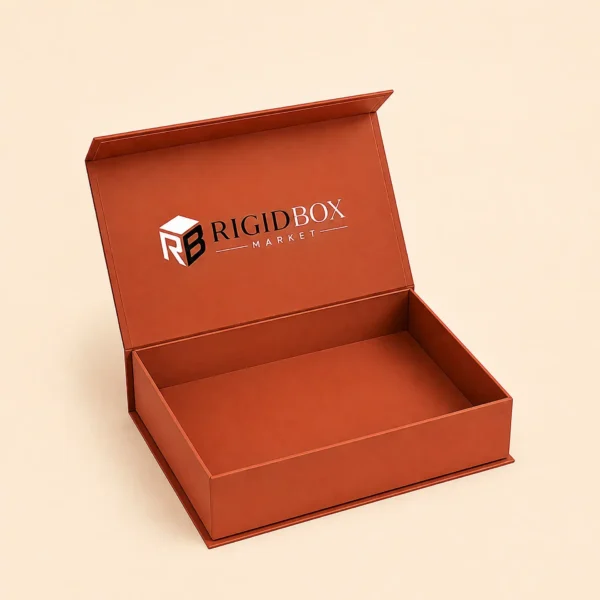
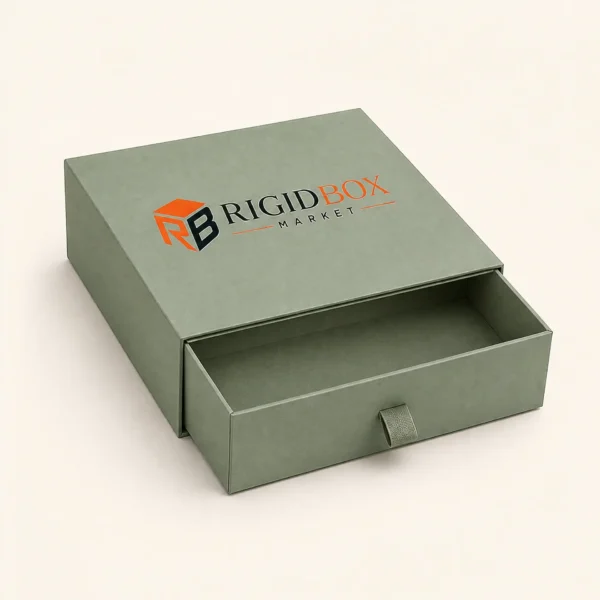
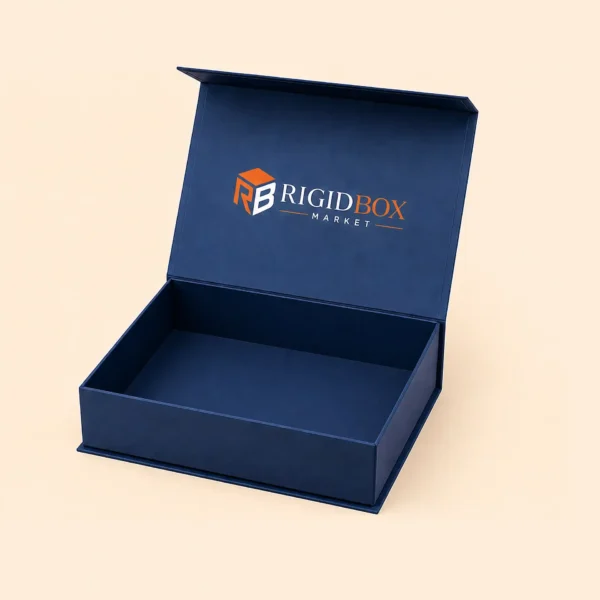
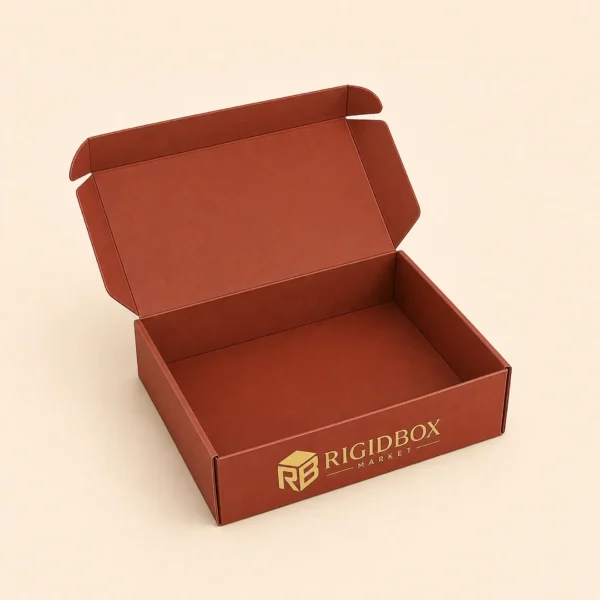
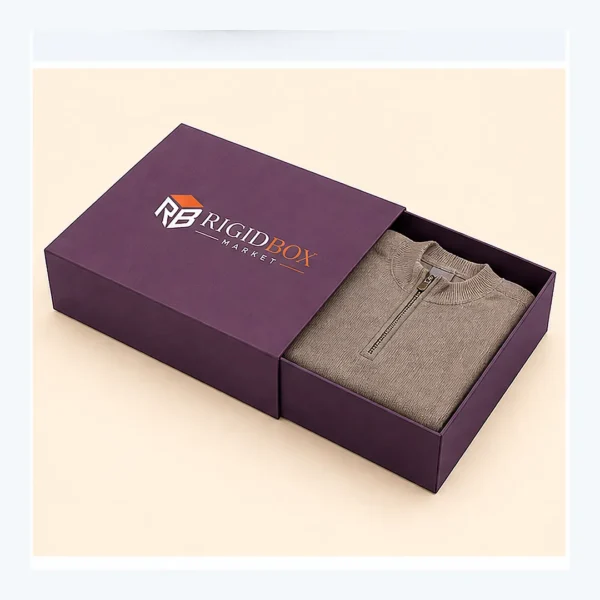
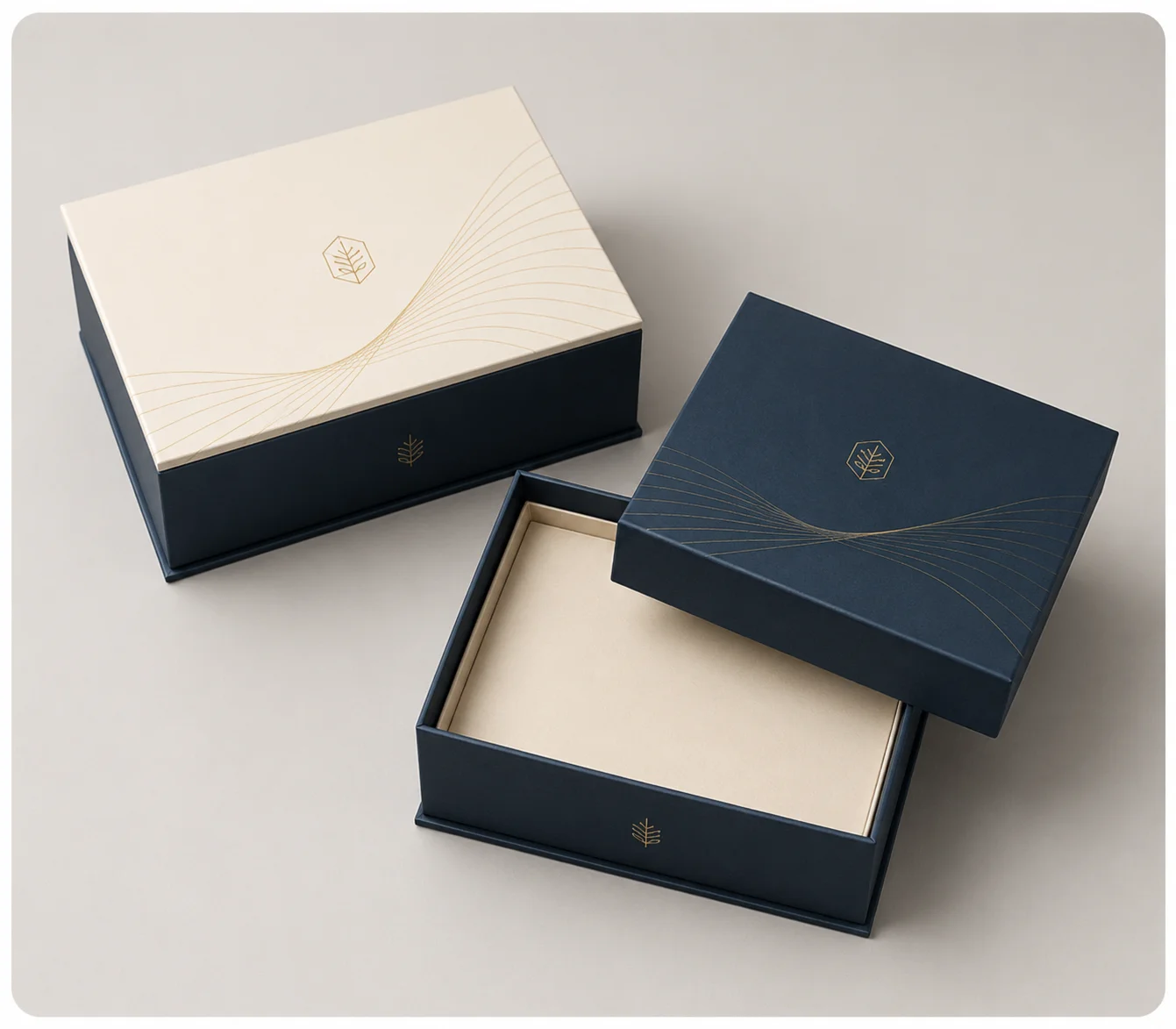
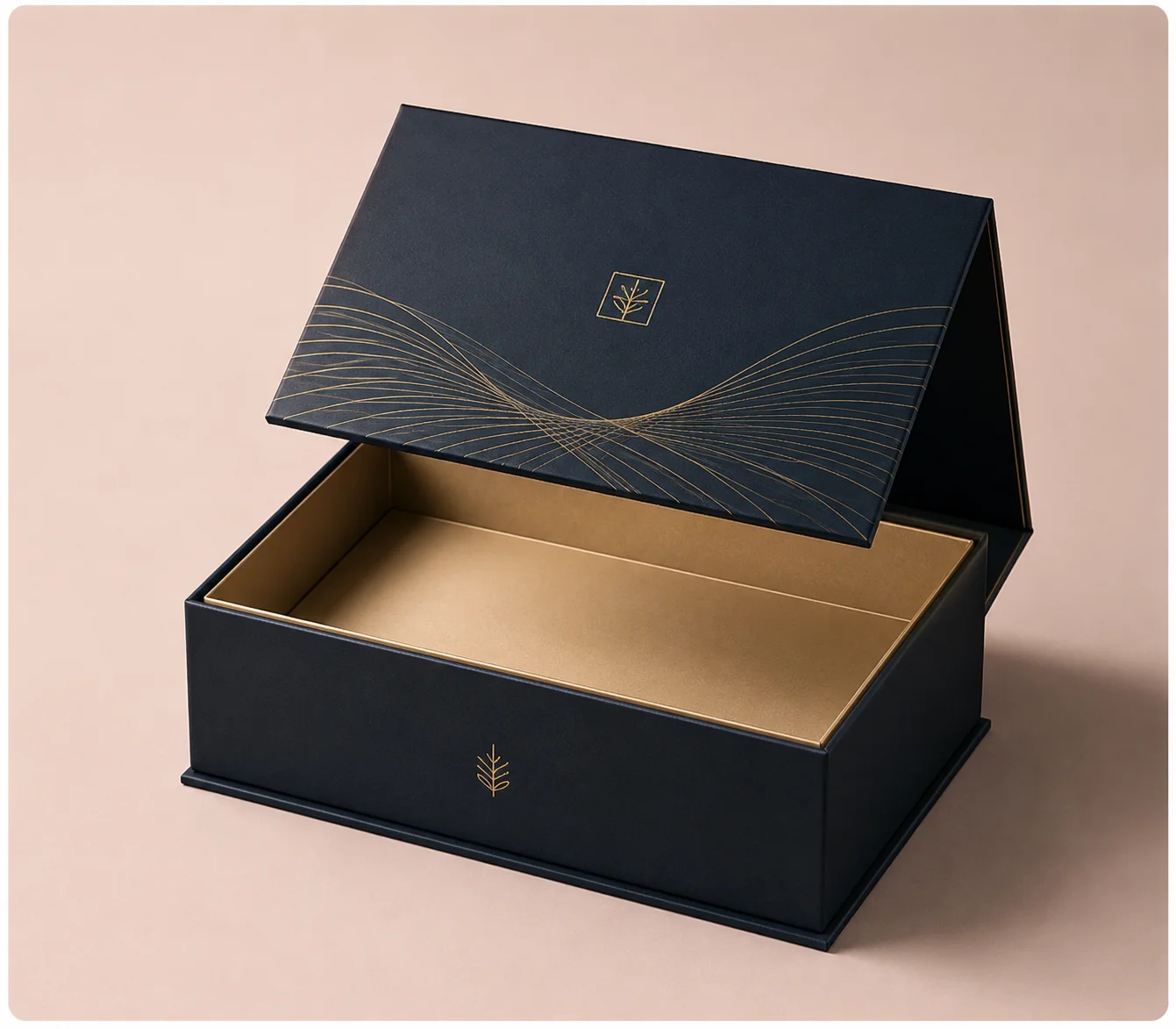
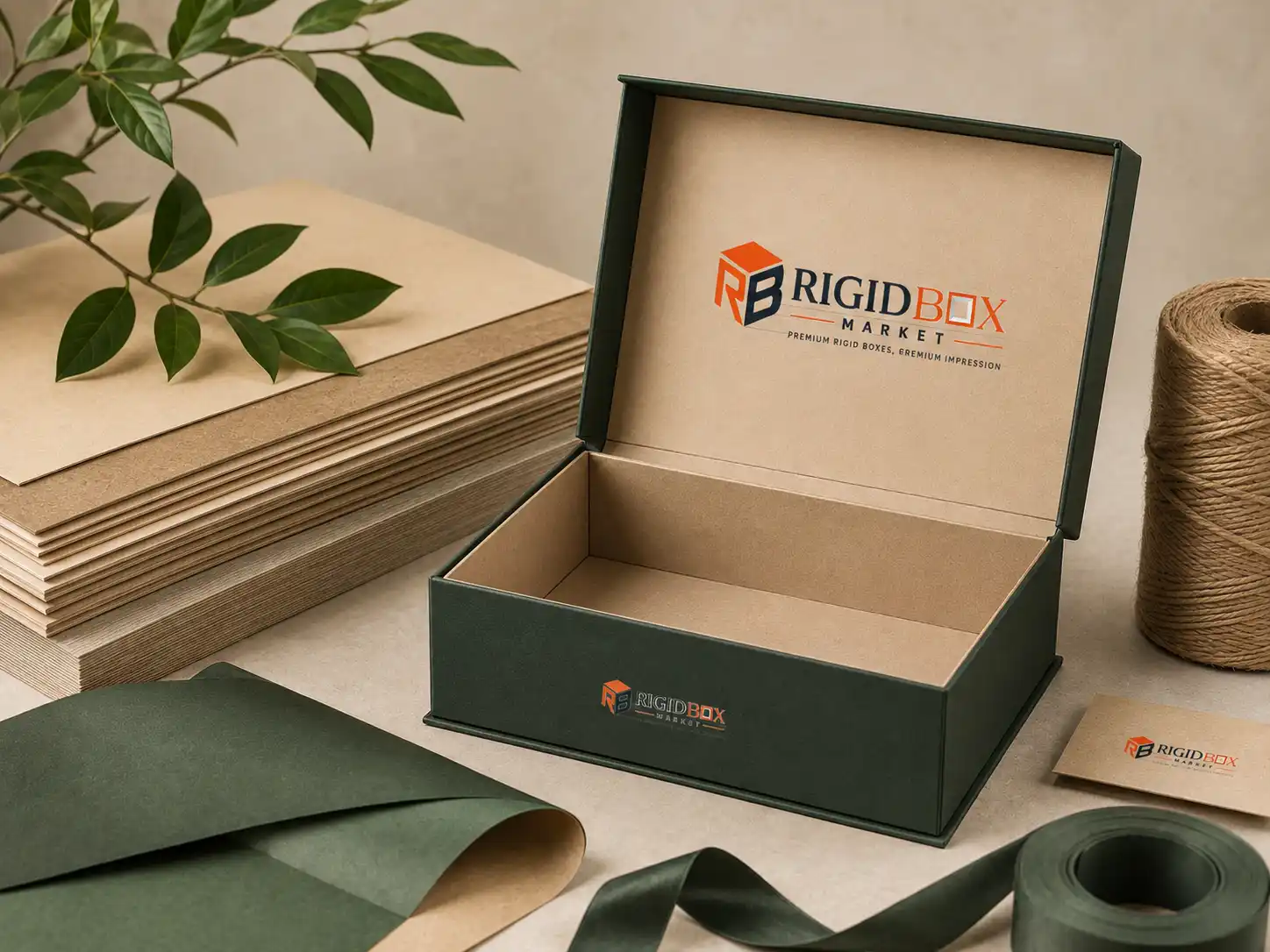
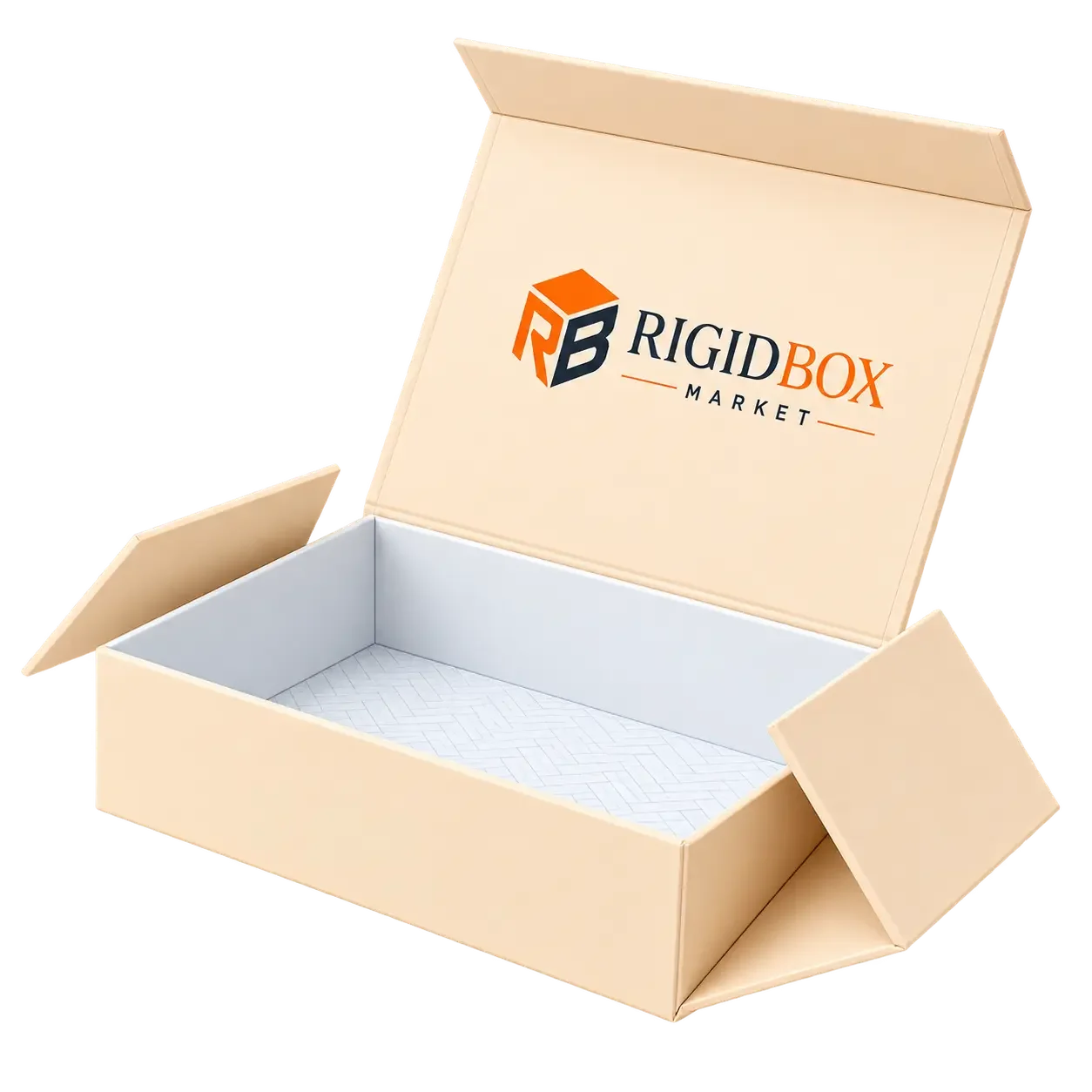
Clothing rigid boxes cover a broader range than a single garment-specific format — where a shirt box or apparel box is typically shaped around one particular fold or product type, this format is built as a flexible base intended to work across a retailer’s or brand’s wider clothing catalog, from tops and bottoms to layered outfits and mixed-size multi-garment sets. Where a dedicated shirt or apparel box optimizes for one specific fold, this format optimizes for coverage across many, trading some of that single-product precision for broader usability across a diverse catalog.
A Broader Take on Apparel Packaging
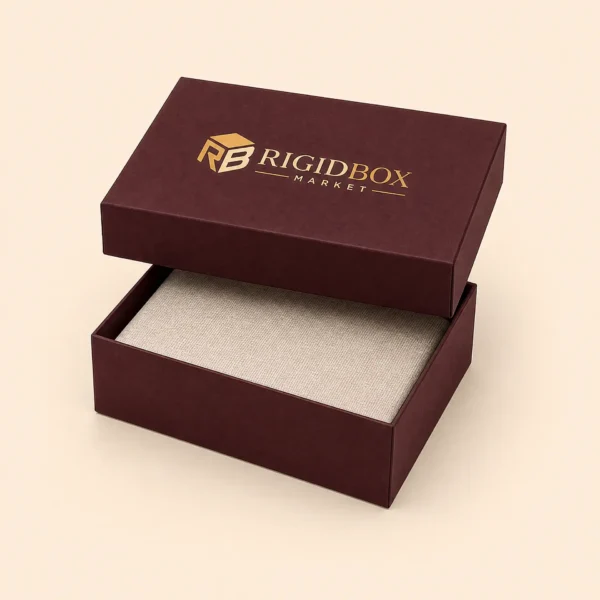
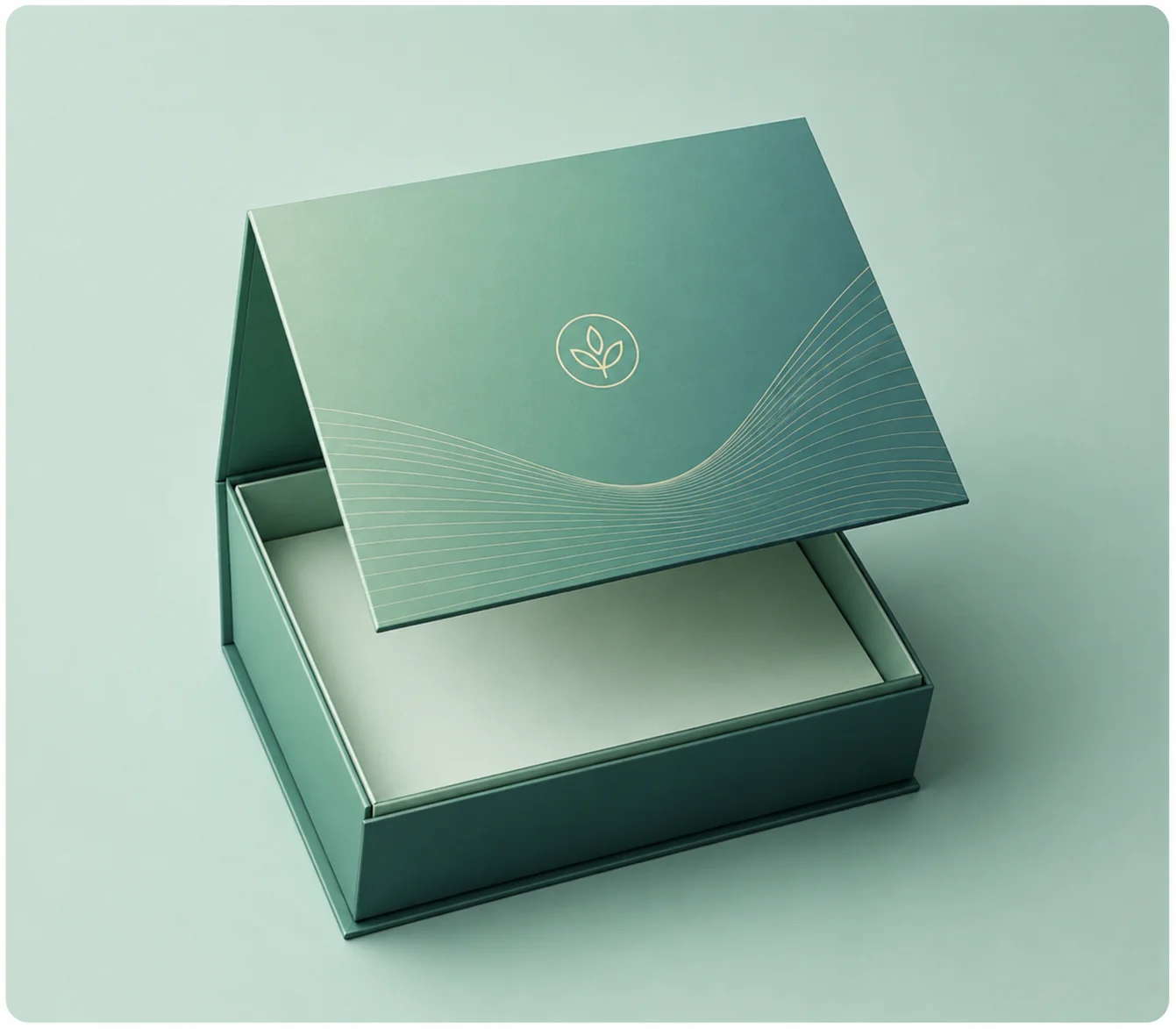
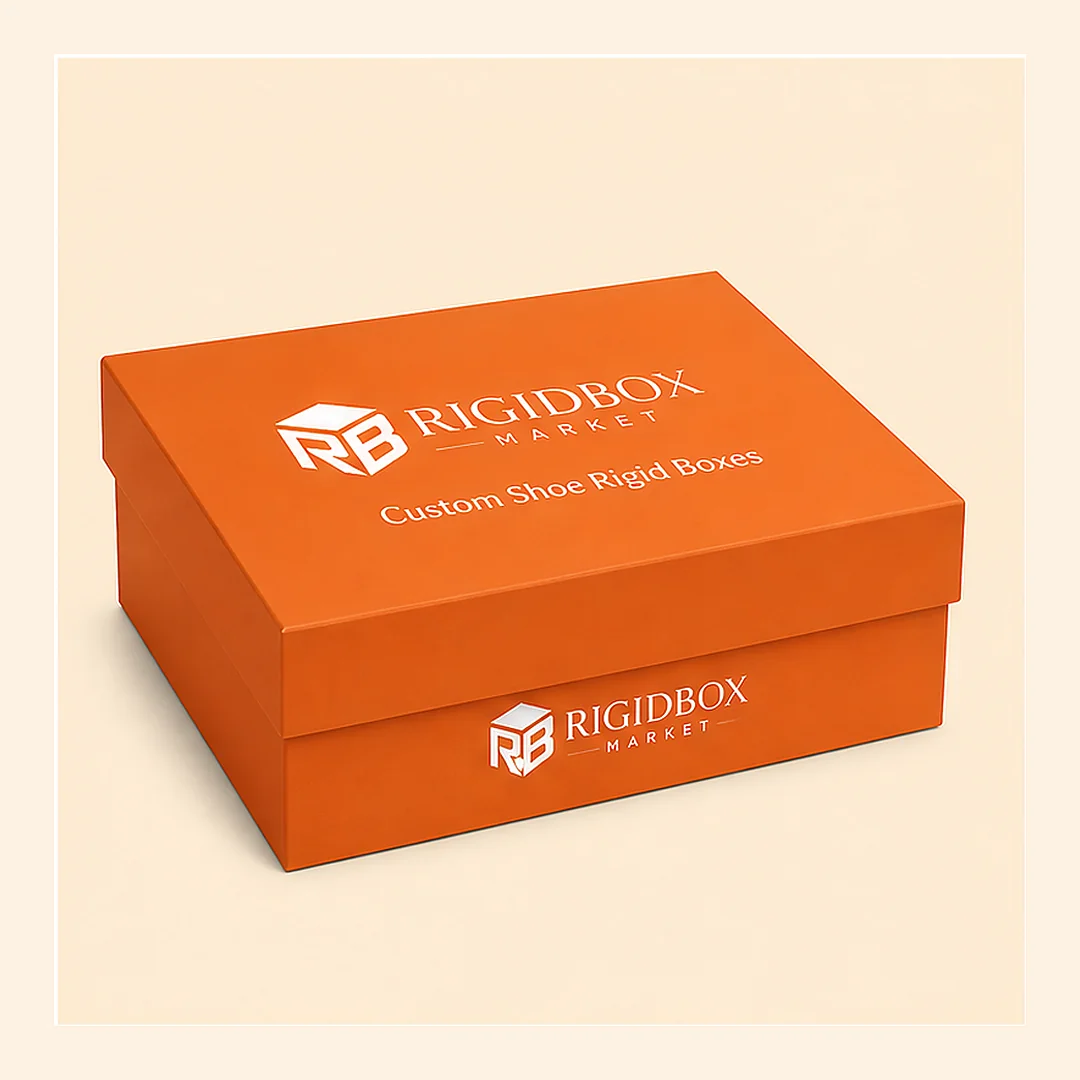
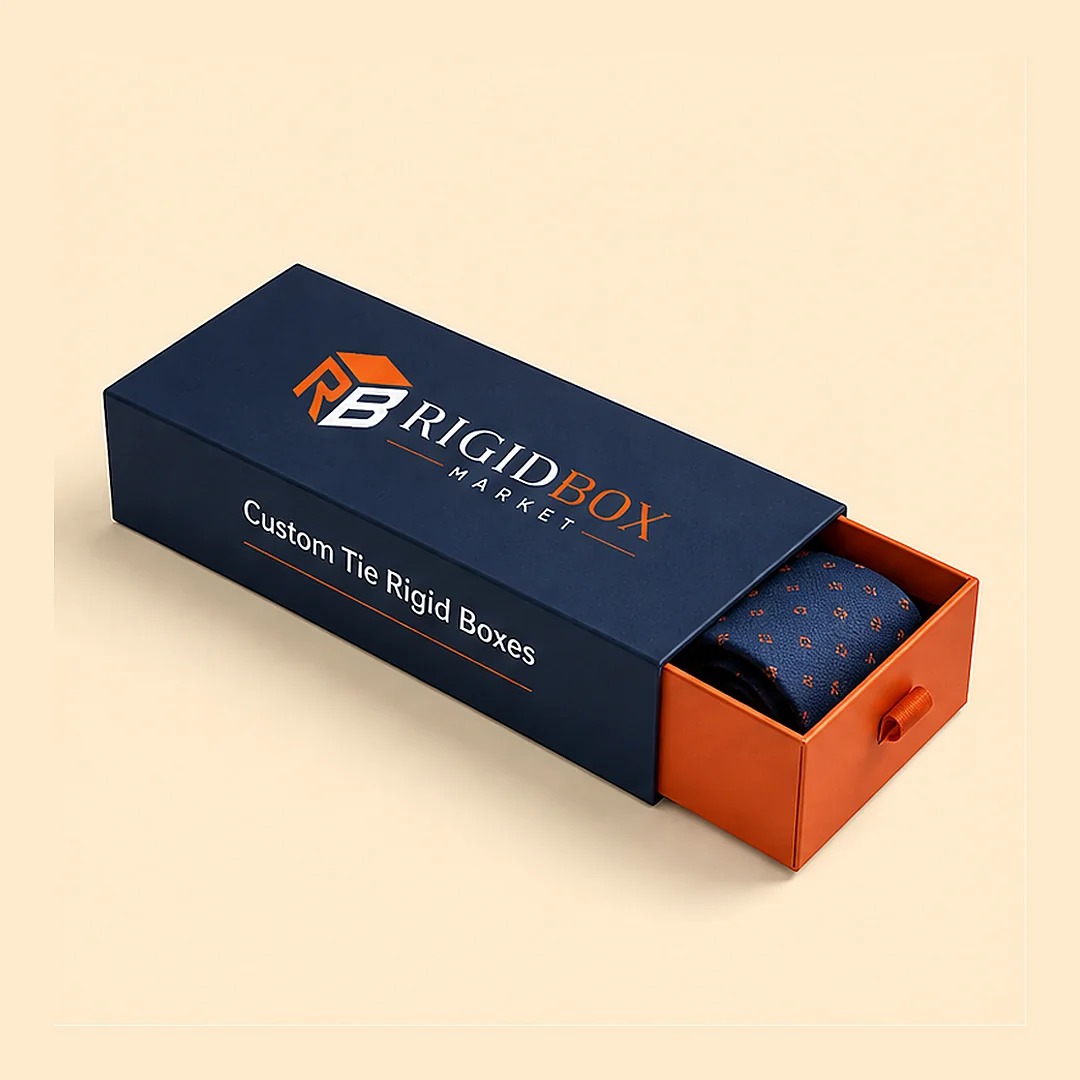
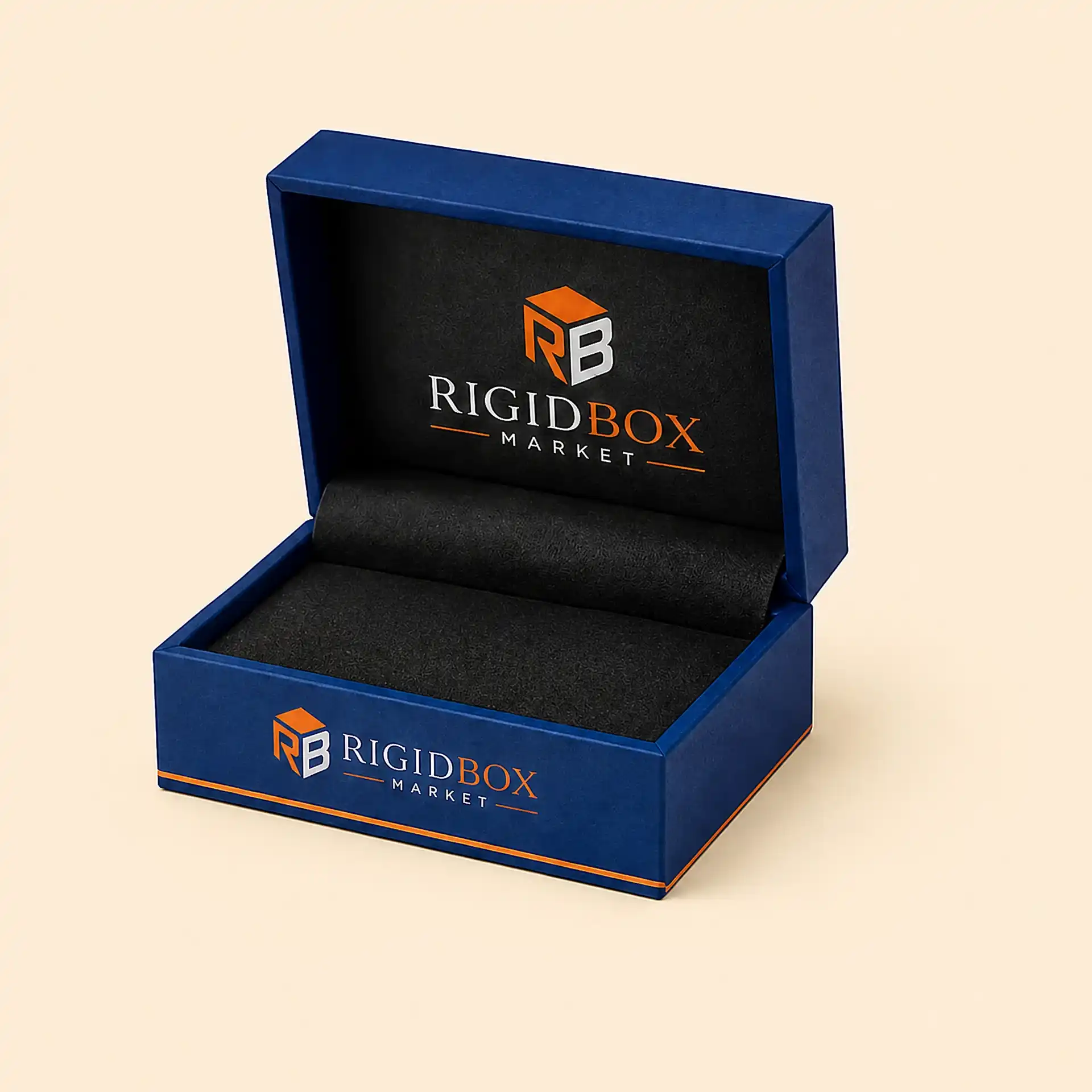
The shell uses standard rigid chipboard construction, with footprint and depth generally built a bit more generously than a single-garment-specific box, since this format frequently needs to accommodate different garment types across a catalog rather than one fixed fold style. That extra margin is a deliberate tradeoff, sacrificing a small amount of the tight, tailored fit a single-garment box would offer in exchange for genuine cross-category flexibility. Interior tissue, dividers, or a simple platform can all be configured depending on whether the box is holding a single folded item or a small multi-piece outfit, and for retailers packaging across many different clothing categories under one general box line, this flexibility matters more than the precision fit a single-garment format would offer. Because this format is often used across an entire retail catalog rather than one product line, corner and seam durability tend to receive particular attention, since the same box style may see far higher production volume than a more specialized, single-product box would. At that scale, even a small per-unit construction weakness compounds into a meaningful quality issue across an entire season’s worth of orders, which is why durability testing matters more here than it might for a lower-volume specialty box.
Customization Options
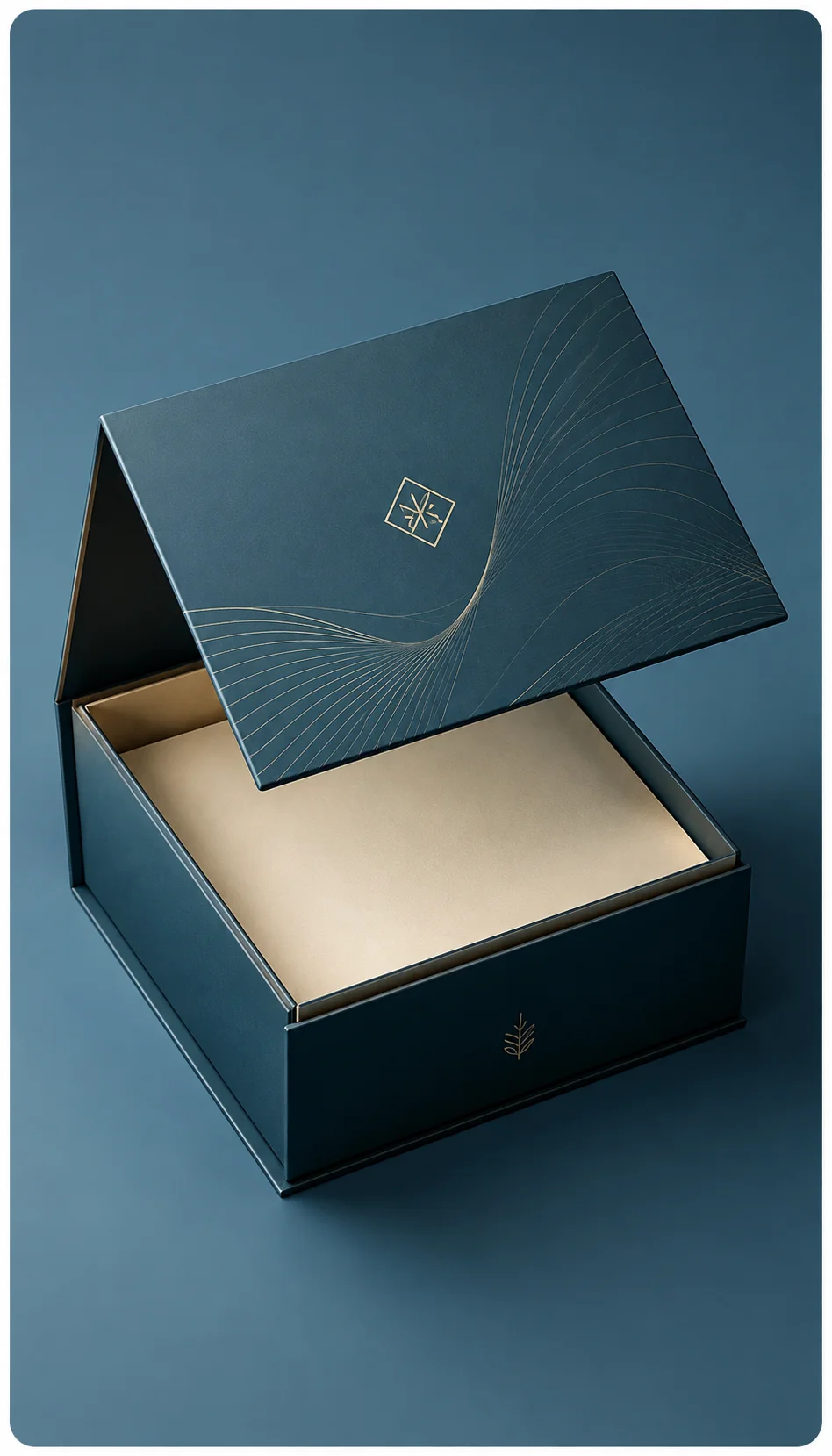
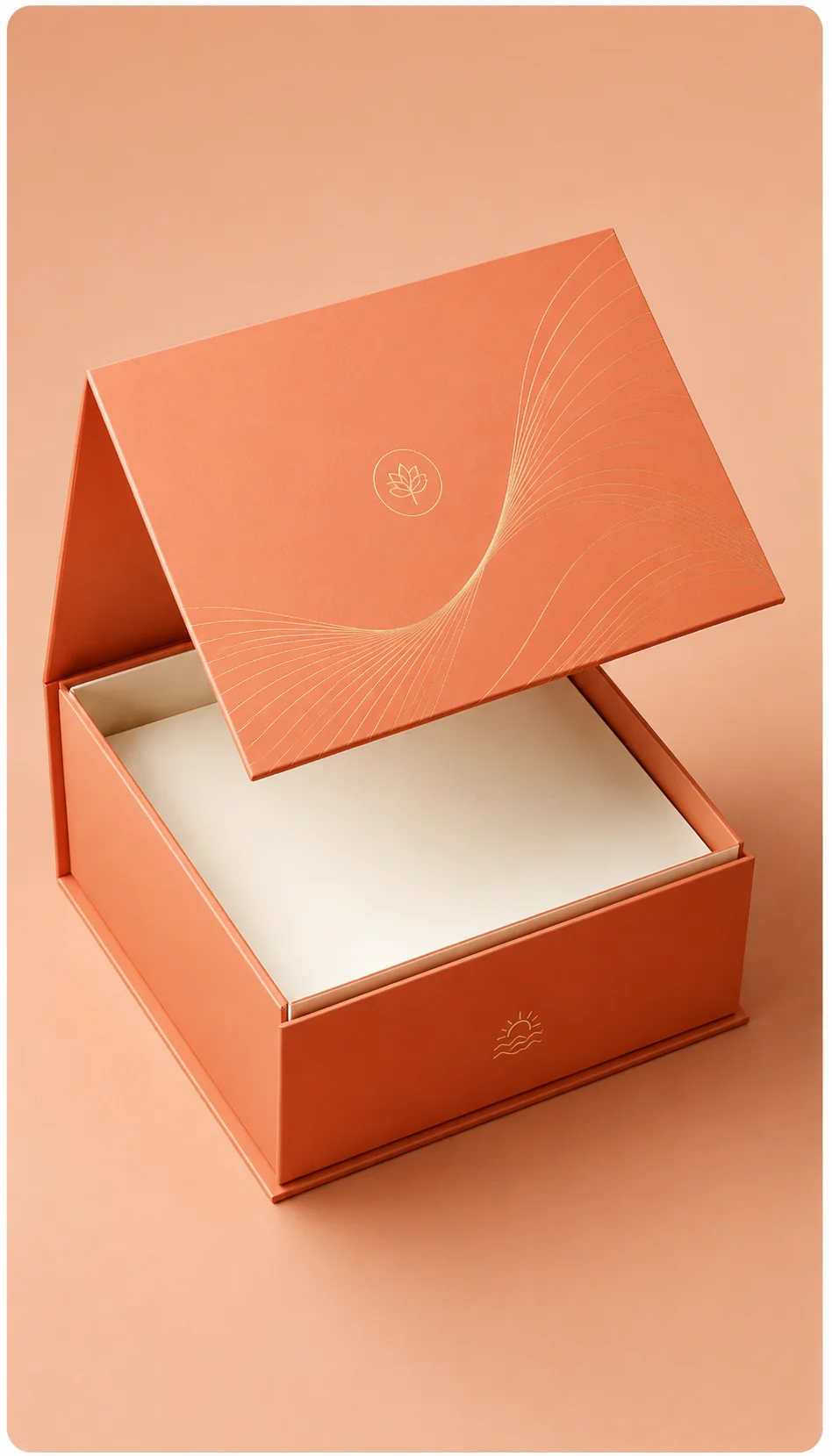
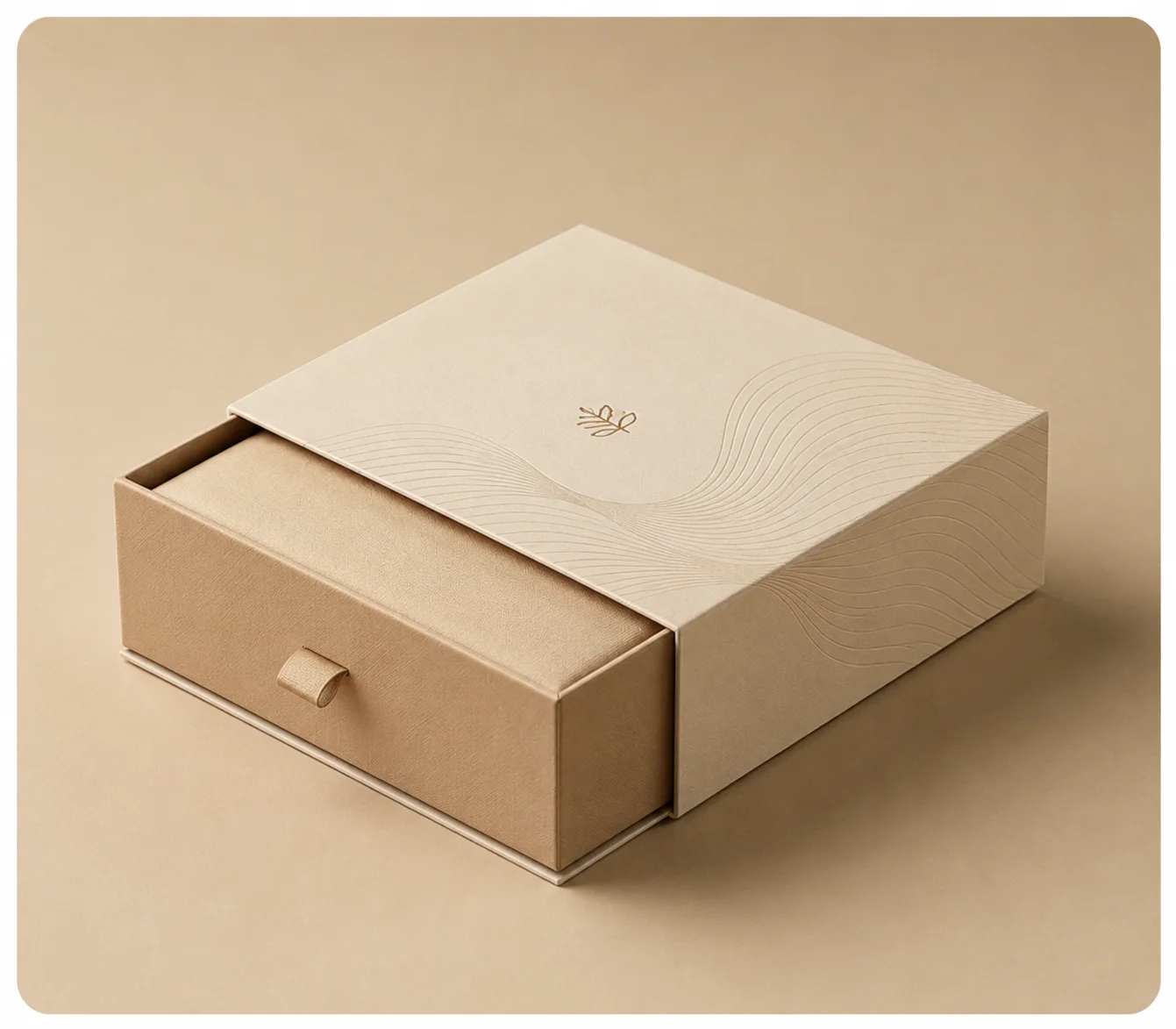
Size, depth, and interior configuration can be adjusted across a retailer’s product range while keeping a consistent outer shell design for brand recognition, and this format accepts the full range of standard finishing — foil stamping, embossing, debossing, spot UV, and matte, gloss, or soft touch lamination. Retailers managing multiple clothing categories under one packaging line often specify two or three interior configurations against a single shell size, covering flat-folded items, bulkier knitwear, and small multi-piece sets without redesigning the box itself for each category. This approach keeps tooling investment concentrated on a small number of shell sizes even as the actual product range behind them continues to grow.
- Flexible footprint and depth built to serve a broader clothing catalog
- Interchangeable interior configurations for different garment types
- Foil stamping, embossing, debossing, and spot UV finishing
- Matte, gloss, or soft touch lamination
- Consistent outer shell across multiple clothing categories
Built for These Brands
General apparel retailers and multi-category clothing brands rely on this format specifically because it scales across a wide product catalog without requiring a dedicated box design for every garment type they carry. Department and specialty retailers selling clothing from multiple internal brands or private labels use it similarly, standardizing packaging across categories that would otherwise each need their own box specification. Family and general-market apparel brands, selling across a wider range of sizes and garment types than a single-category boutique label, also favor this format’s flexibility over a narrower, garment-specific box, since a single packaging line covering adult and children’s sizing alike is generally more practical than maintaining separate box specifications for each size range.
Why Rigid Box Market
Because this format has to perform reliably across a genuinely varied product catalog rather than one fixed garment type, consistency in construction quality across every interior configuration matters more than perfecting any single specific fit. Rigid Box Market builds each interior configuration to its own specification while holding the outer shell consistent, so a retailer’s packaging looks and feels the same across their full clothing range regardless of what specific garment is inside.
Tell us the range of clothing types you’re packaging and your order volume, and we’ll follow up with a free quote.