Introduction
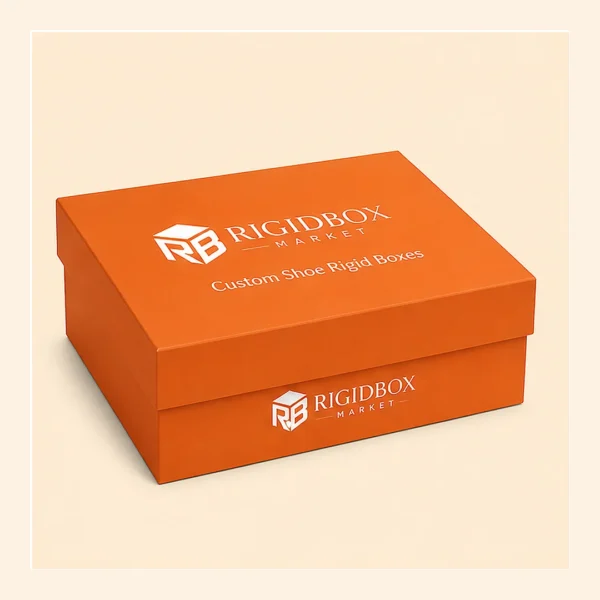
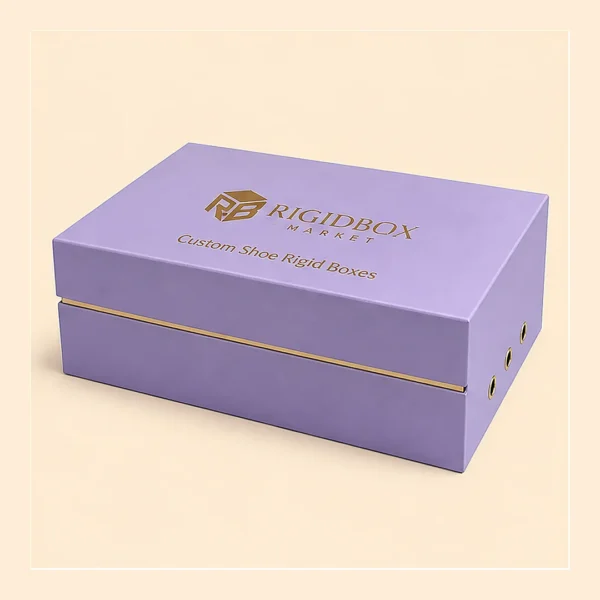
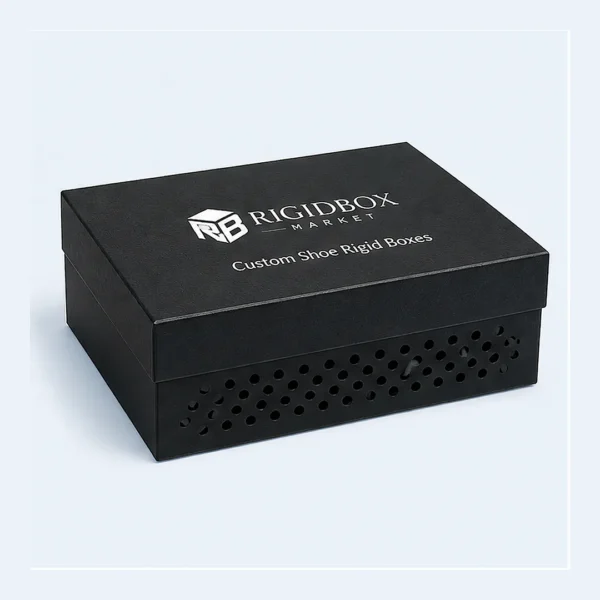
Shoe rigid boxes carry an expectation shaped by decades of sneaker and footwear retail — customers, particularly in sneaker culture specifically, often treat the box itself as part of the product, sometimes keeping it long after the shoes have been worn, which puts more pressure on a shoe box’s design and durability than most footwear brands initially anticipate. That expectation has only intensified with the growth of sneaker resale markets, where an intact, well-preserved original box can meaningfully affect a pair’s resale value.
Built to Hold Its Shape
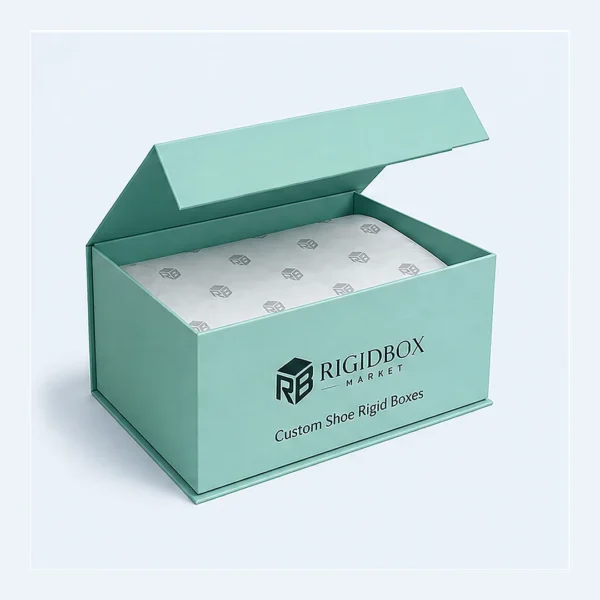
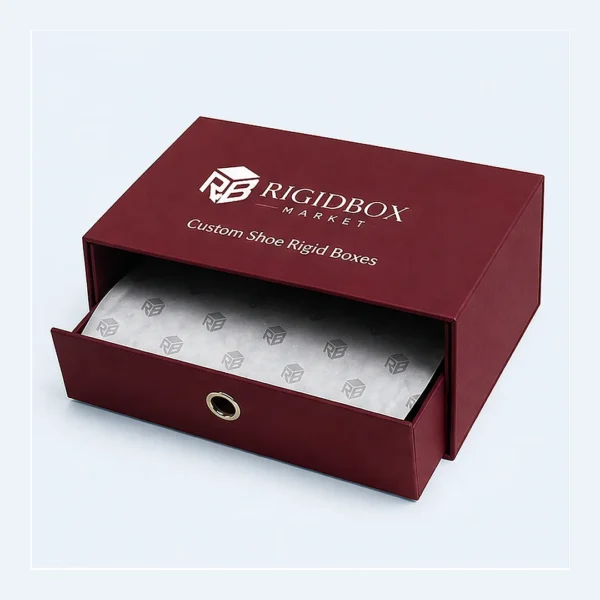
The shell is built from rigid chipboard with wall thickness chosen against the shoe’s weight and the box’s overall footprint, generally larger and deeper than most other apparel-adjacent formats given the size of the product being packaged. Structural rigidity matters more here than in many other categories, since shoe boxes are frequently stacked several units high in warehouses and stockrooms, and a box that sags or crushes under that stacked weight can deform the shoes inside even before they reach a customer. This stacking demand is one of the main reasons shoe boxes generally use a thicker board and more reinforced corner construction than a comparably sized apparel or accessory box. Interior tissue or a simple paperboard platform typically supports the shoes, and for higher-end footwear, a fabric dust bag or additional interior wrap is sometimes included alongside the shoes themselves within the same box. Shoe trees or internal shape-holding inserts are occasionally used for premium leather footwear specifically, keeping the shoe’s form intact through storage and shipping the same way they would on a shelf at home.
Customization Options
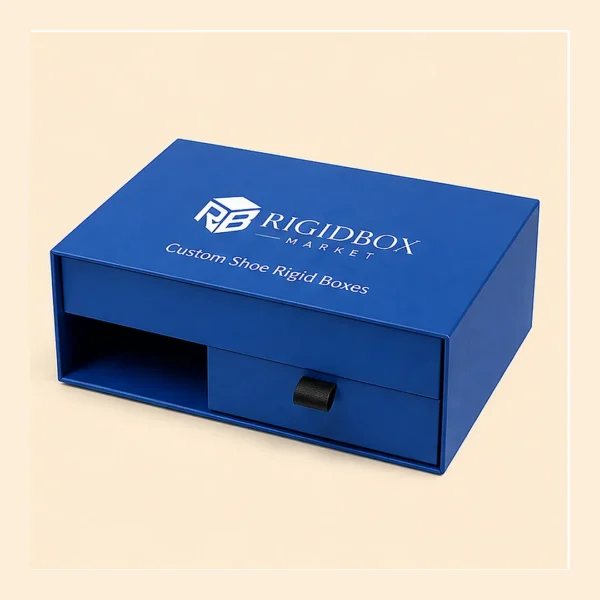
Footprint and depth can be built around specific shoe sizes and styles, from low-profile sneakers to bulkier boots, and box strength can be scaled up for brands whose distribution model involves heavier warehouse stacking. Size-run brands, shipping the same style across a wide range of sizes, sometimes specify a slightly adjustable footprint to cover several adjacent sizes with one box tool rather than commissioning a separate box for every size. Standard exterior finishing includes foil stamping, embossing, debossing, spot UV, and matte, gloss, or soft touch lamination, and footwear brands, particularly in sneaker and streetwear categories, frequently invest heavily in bold, collectible-style exterior design given how often the box itself becomes part of a customer’s display or resale consideration. A window cutout is a popular addition for brands wanting the shoe visible without opening the box.
- Footprint and depth built around specific shoe sizes and styles
- Reinforced construction for warehouse stacking durability
- Foil stamping, embossing, debossing, and spot UV finishing
- Optional window cutout for retail display visibility
- Matte, gloss, or soft touch lamination
Common Use Cases
Footwear and sneaker brands rely on this format as their standard packaging across nearly every product line, given how deeply the shoe box itself has become tied to brand identity and collector culture in this category specifically. Limited edition and collaboration releases invest particularly heavily in exterior box design, since collectors frequently value a distinctive, well-preserved box almost as much as the shoes themselves. Boot and outdoor footwear brands use a sturdier version of the same general construction, prioritizing structural strength for bulkier, heavier products over the more design-forward approach sneaker brands often take, since function and durability tend to matter more to that customer base than a collectible-style box design.
What Sets Rigid Box Market Apart
Stacking strength is the structural detail most likely to be underestimated by a footwear brand moving to rigid packaging for the first time, and a box that looks sturdy on a single unit can still fail under the sustained weight of a warehouse stack many units high. Rigid Box Market builds wall thickness and structural reinforcement around realistic stacking and distribution conditions, holding that strength consistent across full production runs.
A note on your typical warehouse stacking height helps us specify wall thickness appropriately from the start. Share your shoe dimensions, style, and order volume, and we’ll follow up with a free quote.