Overview
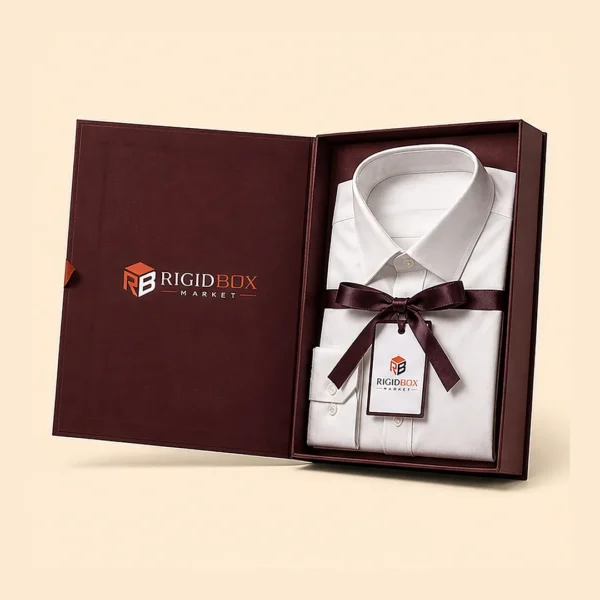
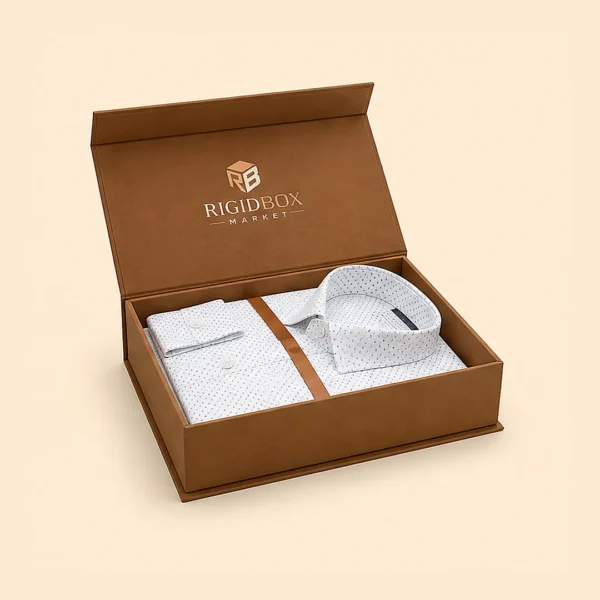
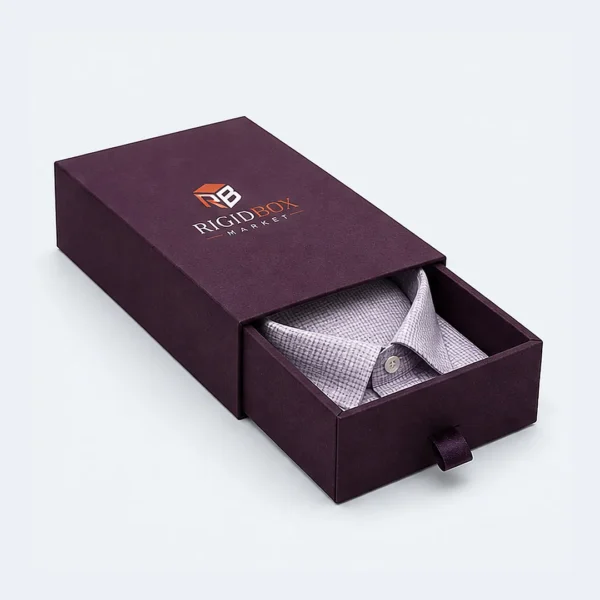
Shirt boxes are built around one very specific fold — the standard retail fold used for dress shirts, button-downs, and structured tops — and the box’s proportions exist almost entirely to support that fold without forcing it into a shape that creates unwanted creases across the collar, sleeves, or front panel. That fold is so standardized across the apparel industry that a shirt box built to the wrong proportions is immediately obvious to anyone who has ever worked retail, even if the average customer couldn’t articulate exactly what looks off.
Built for Folded Garments
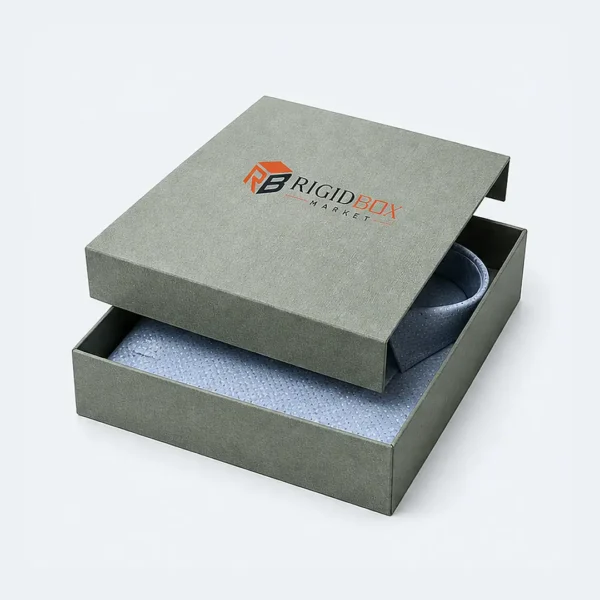
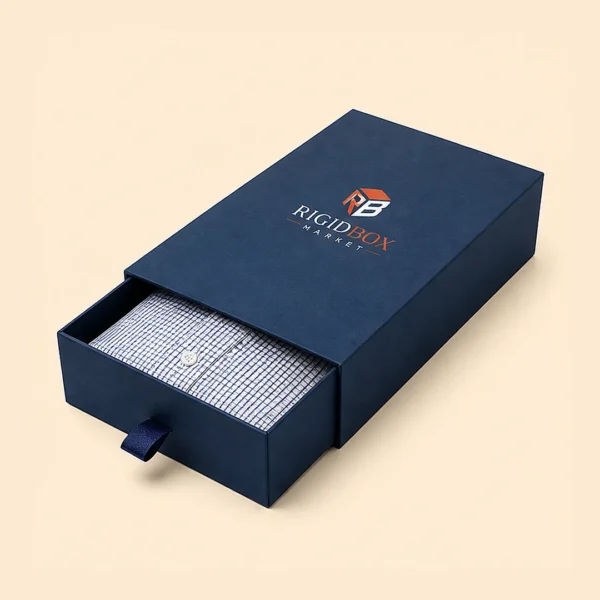
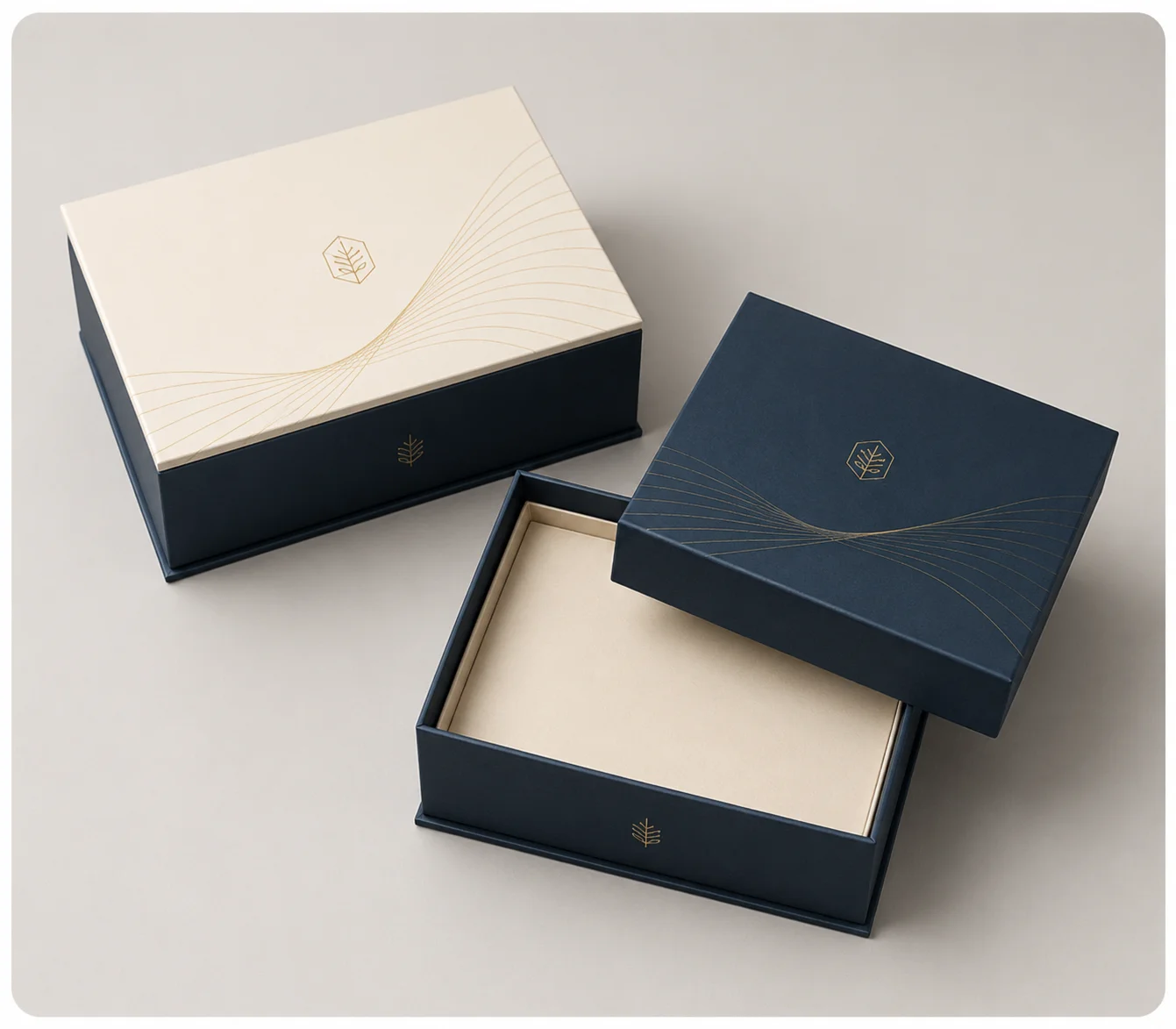
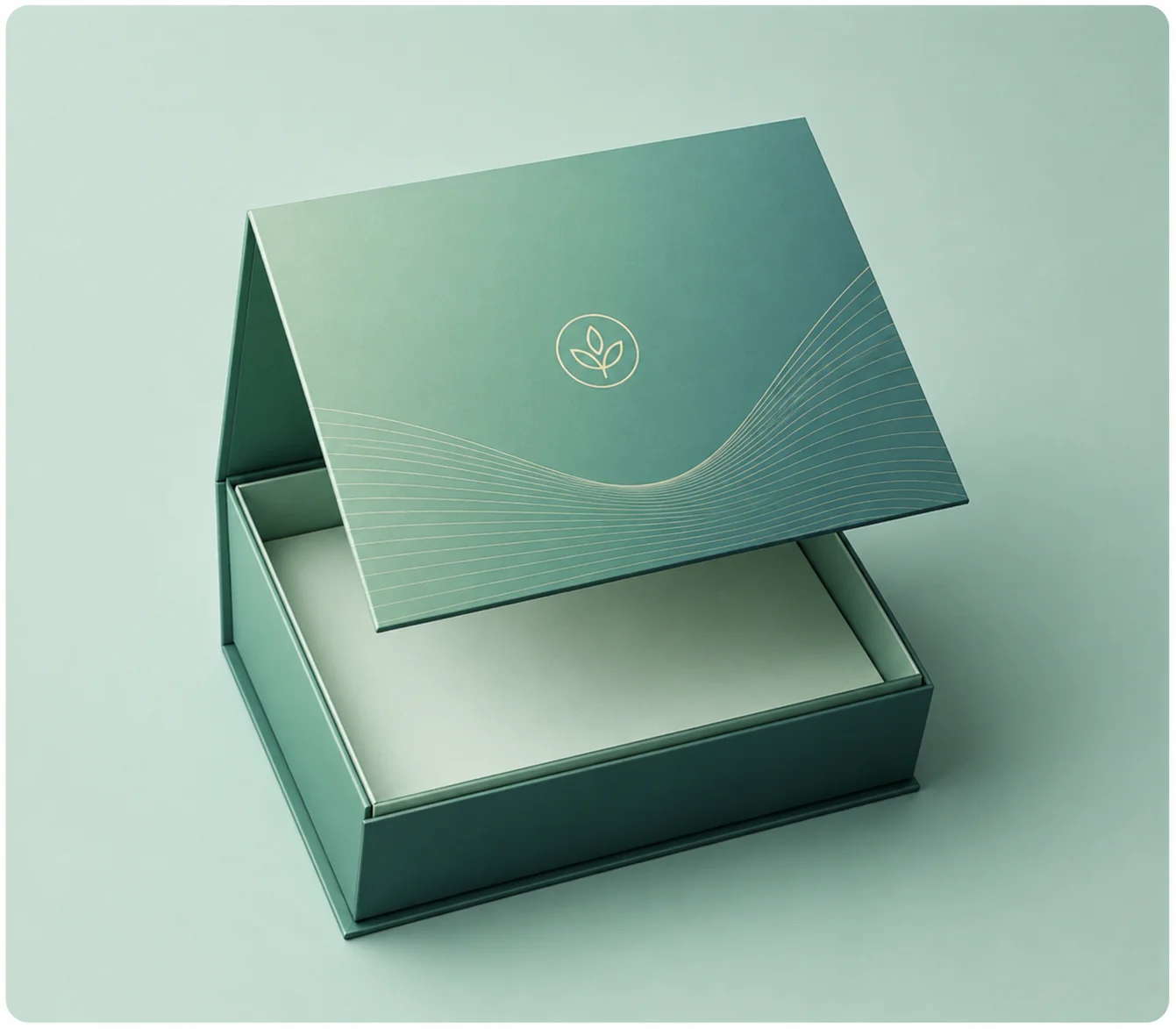
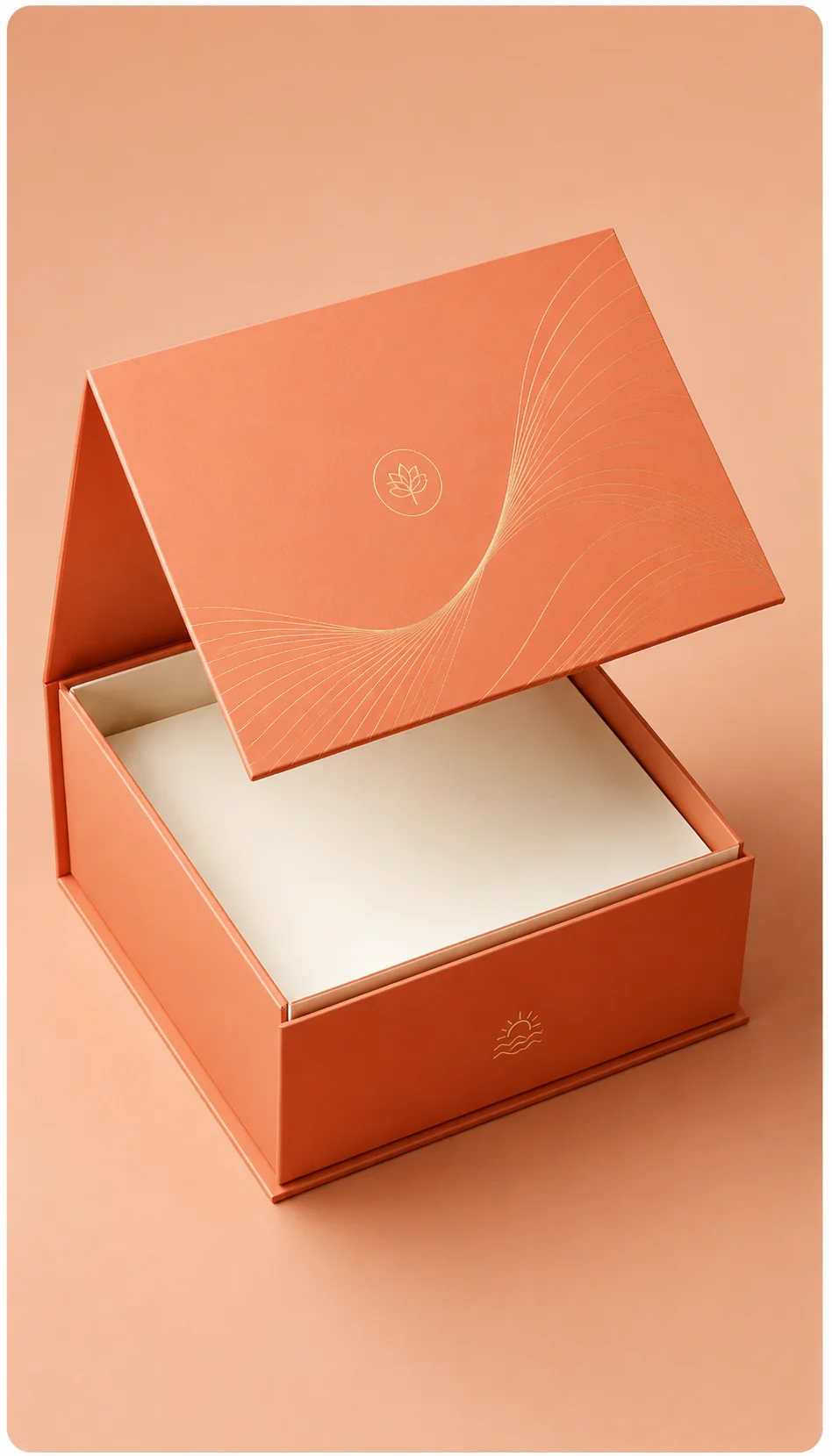
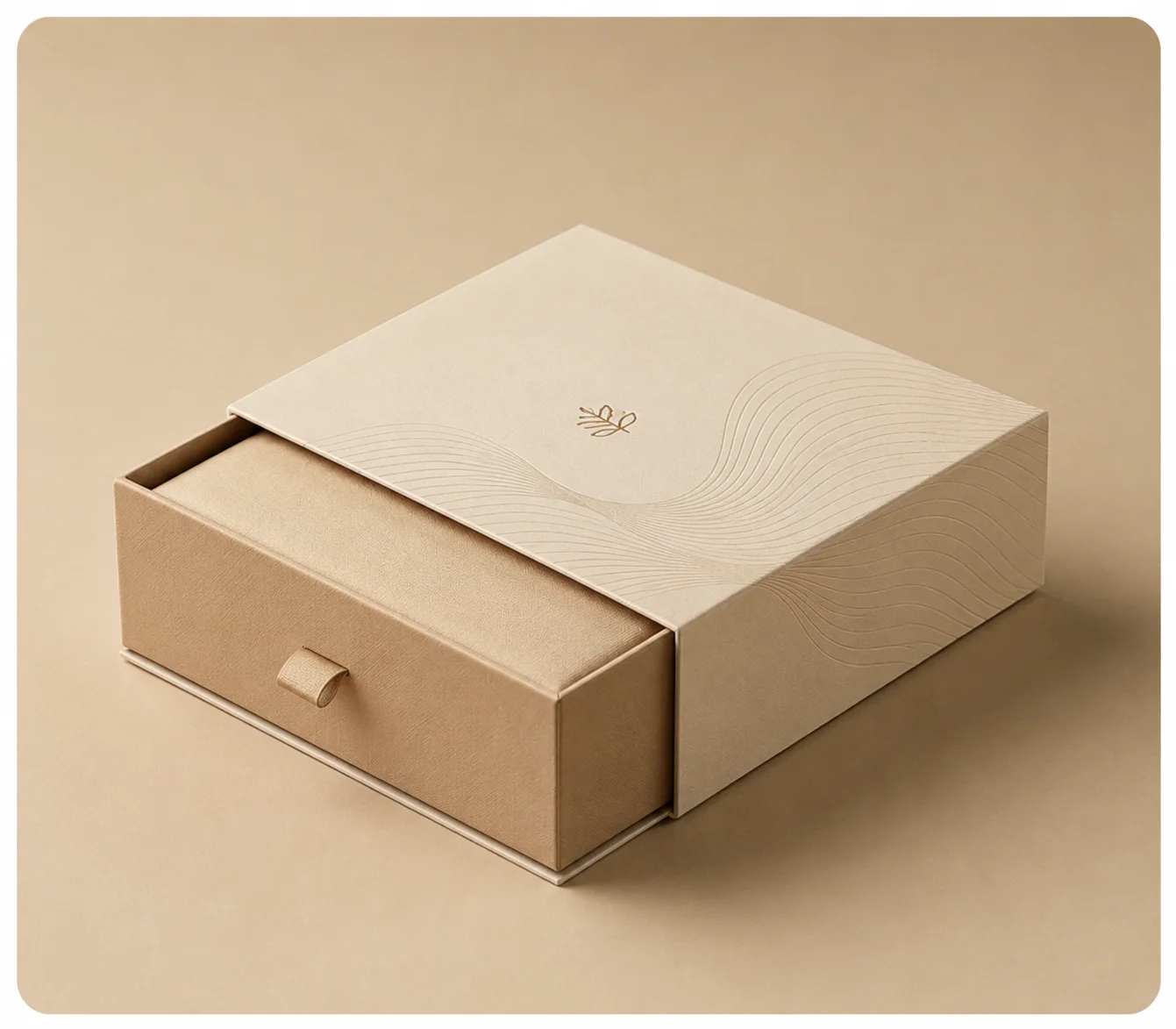
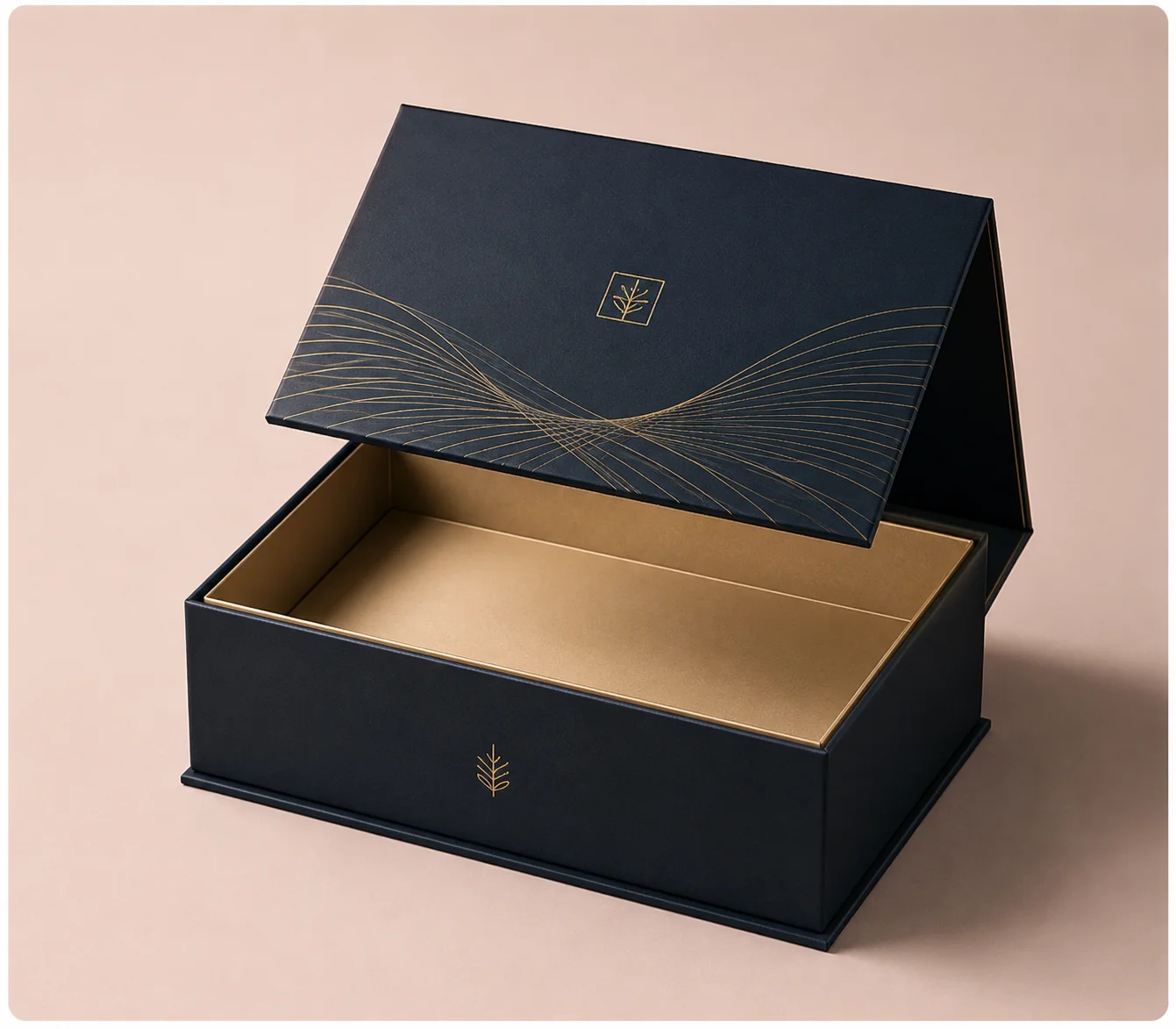
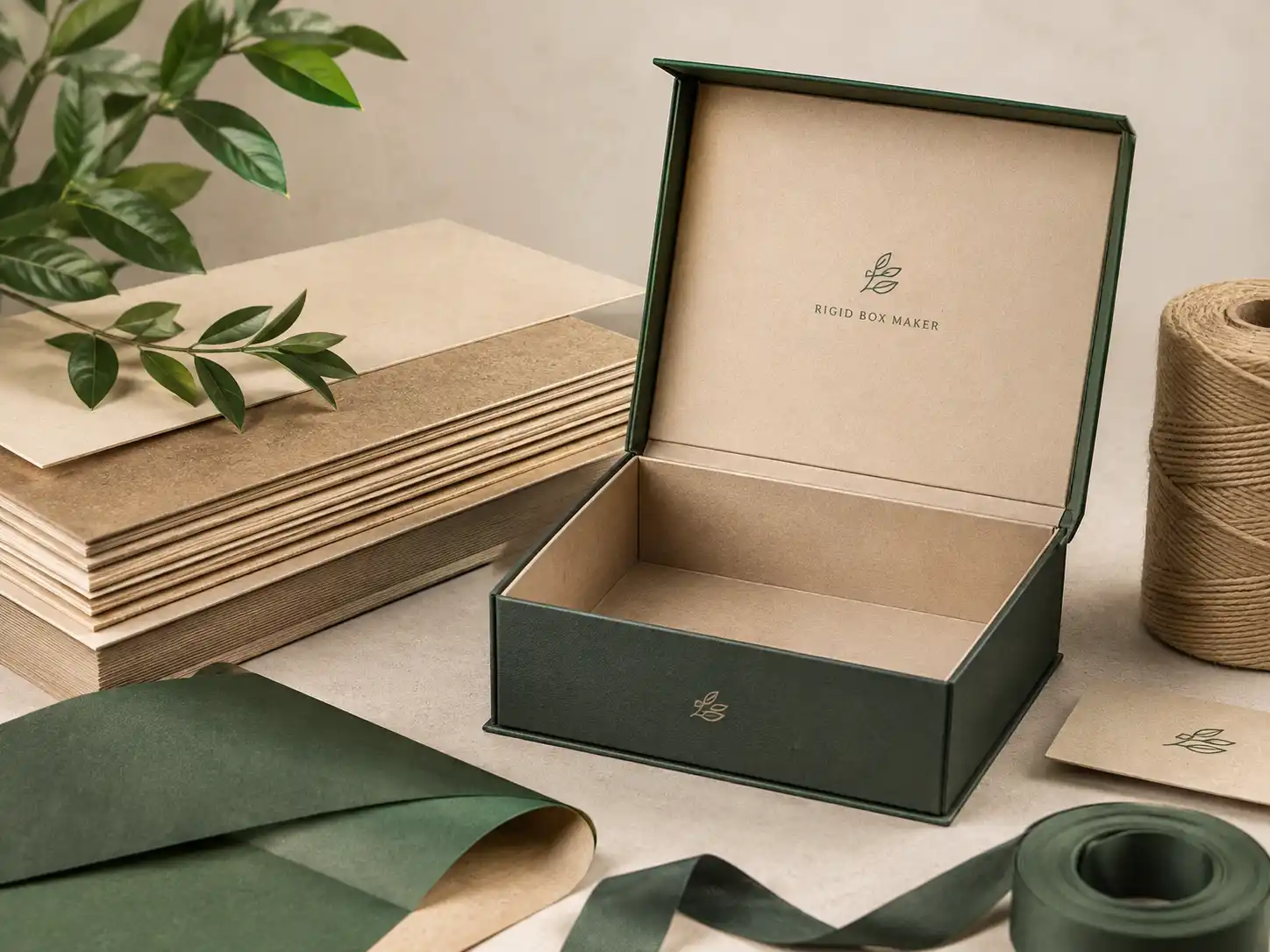
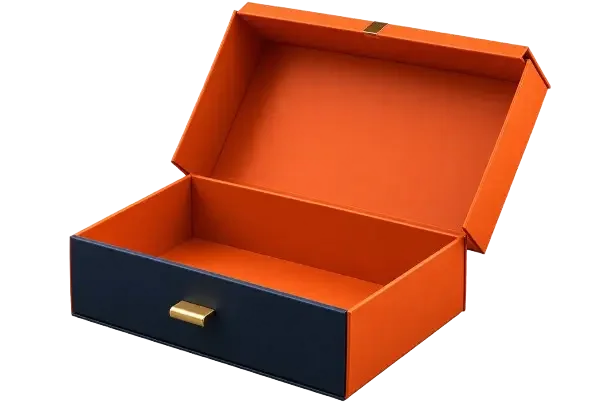
The shell is built from rigid chipboard in a wide, shallow footprint, since a properly folded shirt is closer to a flat rectangle than to any bulkier garment shape, and box depth is generally kept just enough to clear the folded thickness without leaving so much extra space that the shirt can shift and refold itself during transit. Tissue paper or a printed interior liner sheet typically sits beneath and sometimes over the shirt, both to protect the fabric from any interior surface texture and to reinforce the retail-style presentation this format is generally chosen for. Collar support, a small interior insert or stiffener behind the collar fold specifically, is a detail some brands add for dress shirts, where a collapsed collar crease looks noticeably worse than a minor crease anywhere else on the garment. Sleeve placement also affects fold quality, since sleeves folded unevenly behind the body panel can create a visible ridge that shows through even a well-supported box.
Customization Options
Footprint and depth can be adjusted for different shirt types, from a compact t-shirt fold to a larger format for a bulkier flannel or layered top, and collar support inserts are available specifically for dress shirt lines. Sleeve length also factors into footprint sizing, since a long-sleeve dress shirt folds to a noticeably different width than a short-sleeve casual shirt of the same body size. Standard exterior finishing includes foil stamping, embossing, debossing, spot UV, and matte, gloss, or soft touch lamination, and apparel brands frequently pair tissue paper in a brand color with a simple, restrained exterior print to keep the focus on the garment itself once the box is opened. A belly band or ribbon closure is a common addition for gift-oriented shirt packaging, and a printed size or fit-guide card is a practical addition some menswear brands include directly inside the box to reduce sizing-related returns.
- Wide, shallow footprint matched to the standard retail fold
- Optional collar support insert for dress shirts
- Foil stamping, embossing, debossing, and spot UV finishing
- Branded tissue paper or printed interior liner sheets
- Matte, gloss, or soft touch lamination
Common Applications
Menswear and shirt-focused apparel brands rely on this format as their standard packaging, since the fold-specific proportions consistently outperform a generic apparel box for this particular garment type. Corporate uniform and branded apparel programs also use shirt boxes for employee or client gifting, where a well-presented, uncreased shirt reflects directly on the professionalism of the gifting company. Subscription menswear services use the format for recurring shirt deliveries, where fold consistency across many cycles matters as much as it does for any single shipment, since a subscriber who receives a poorly folded shirt even once is more likely to question the overall quality of future deliveries.
Sourcing at Scale With Rigid Box Market
Getting the fold-to-box proportion right is what separates a shirt box that actually improves on a poly mailer from one that simply repackages the same crease problems in a more expensive format. Rigid Box Market builds footprint and depth around the specific shirt type and fold style being packaged, holding that fit consistent across full production runs so every shirt in an order arrives with the same clean presentation.
A note on sleeve length and whether the shirt is a dress or casual style helps us calibrate the fold-to-box proportion correctly. Share your shirt type, folded dimensions, and order volume, and we’ll follow up with a free quote.