Introduction
Tie rigid boxes exist to protect a product that’s almost entirely defined by its fold — a tie stored or shipped incorrectly develops a crease that can be difficult to fully press out, and because silk and other fine tie fabrics show creasing more readily than sturdier materials, the box’s internal proportions matter more here than they might for a bulkier, more forgiving garment. A tie also has almost no structural rigidity of its own, unlike a folded shirt or a leather accessory, which means the box itself has to do nearly all the work of holding the presentation shape.
Protecting the Fold
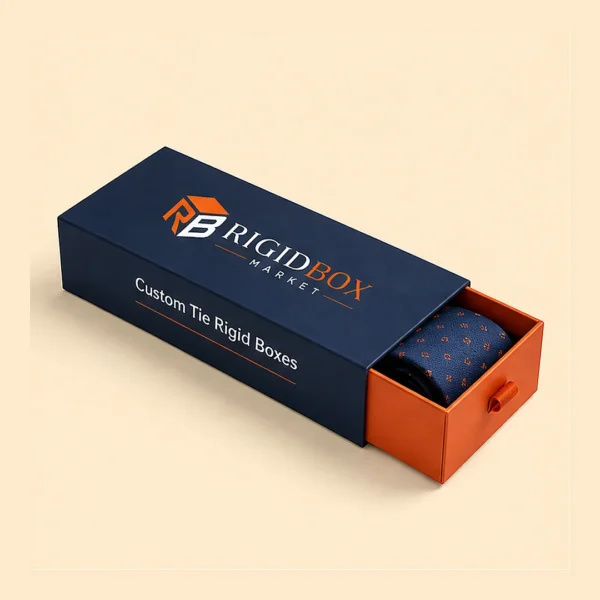
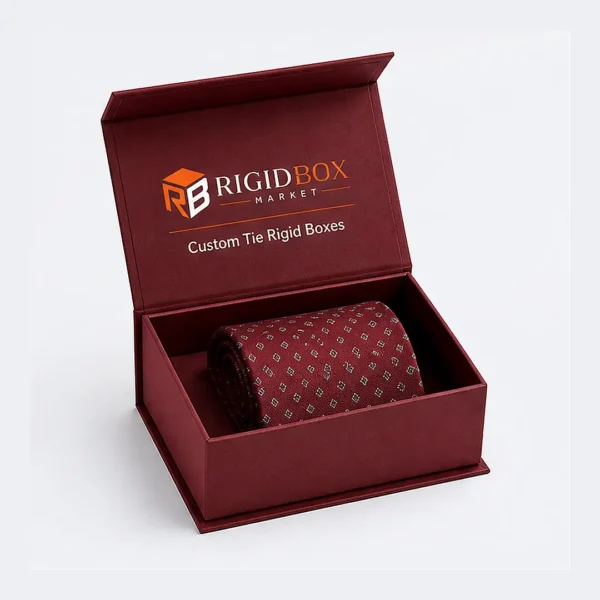
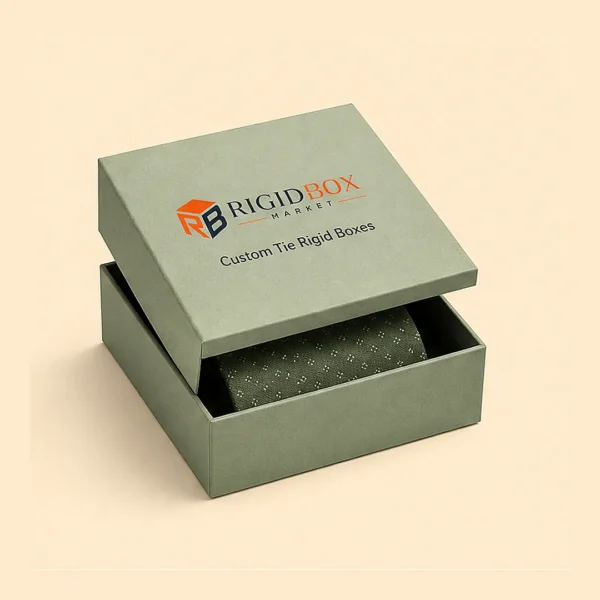
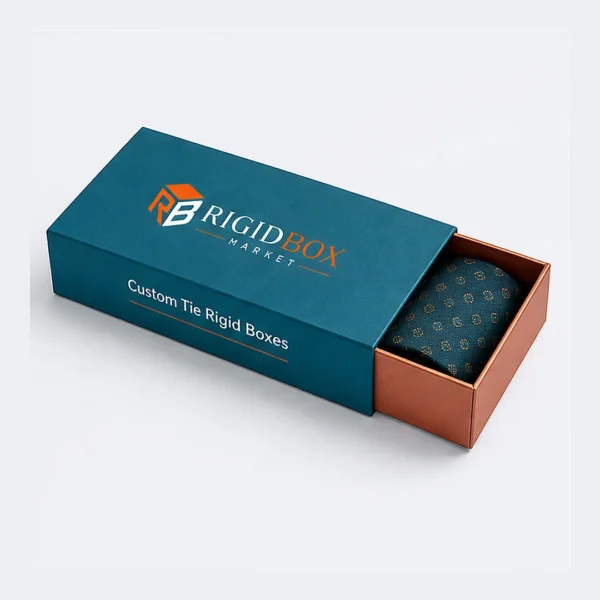
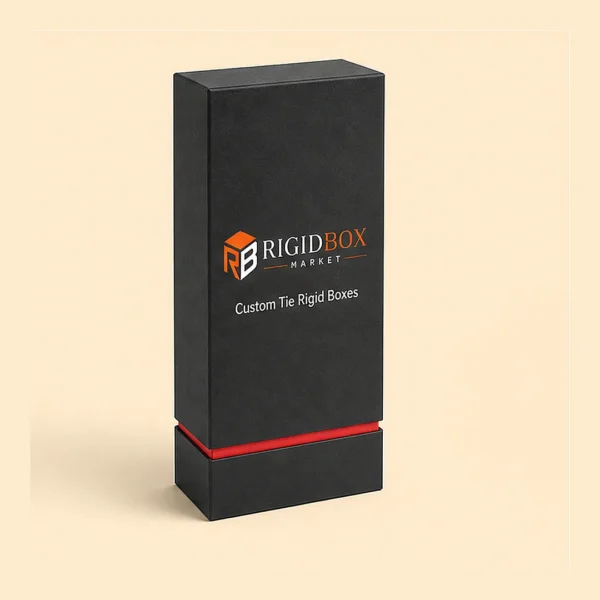
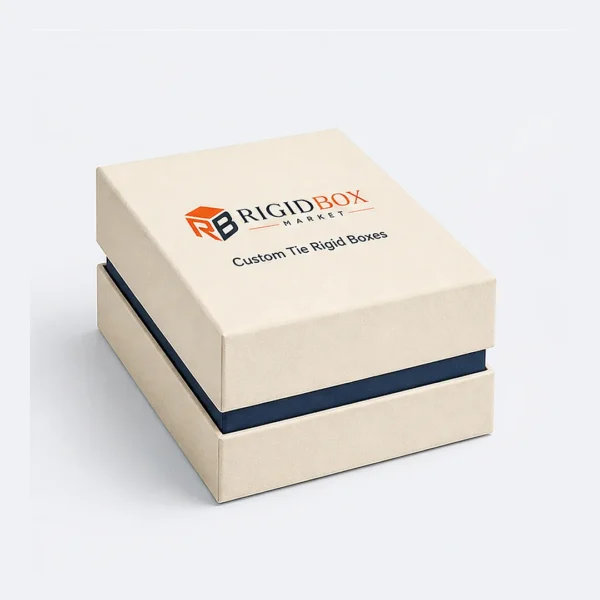
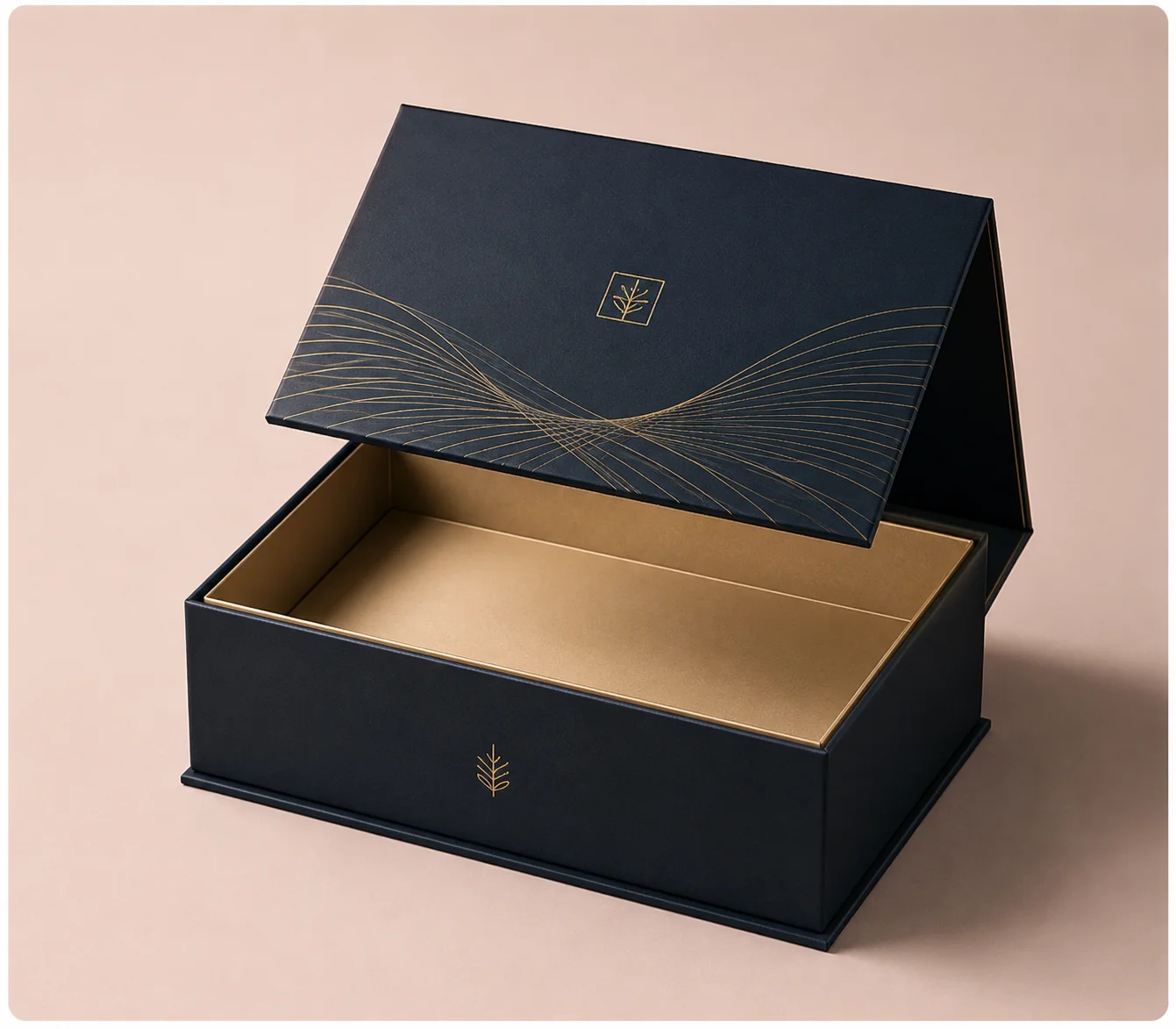
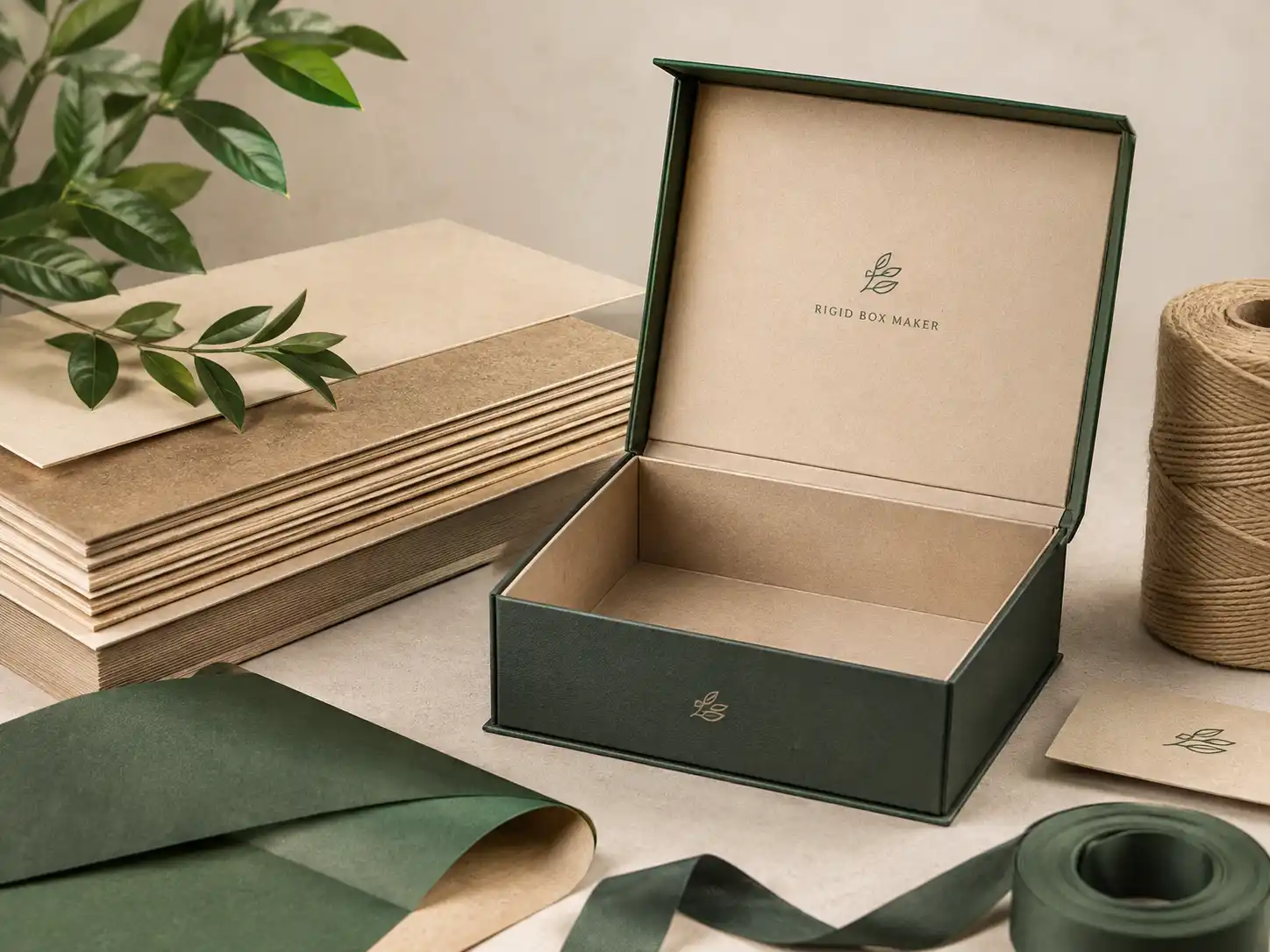
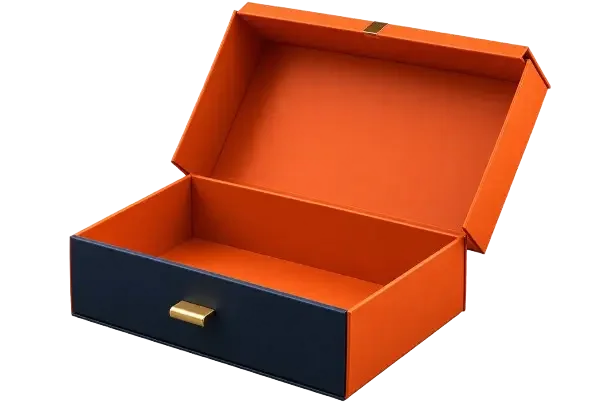
The shell is built from rigid chipboard in an elongated, shallow footprint sized to a tie’s standard folded or rolled length, since forcing a tie into a box that’s too short creates an additional unwanted fold beyond the standard presentation crease. Ties are generally either rolled into a loose coil or folded in thirds depending on the brand’s preferred presentation style, and the box’s interior dimensions need to match whichever method is being used, since a box built for a rolled tie doesn’t properly support a folded one and vice versa. Rolling tends to be gentler on the fabric over time, since it avoids a sharp crease altogether, while folding presents more of the tie’s pattern flat and visible the moment the box is opened. A thin paperboard or tissue liner beneath the tie protects the fabric surface from any texture in the box’s interior material, and for silk ties specifically, some brands add a light interior padding to cushion the fabric further during transit. Woven silk in particular can snag on a rough interior surface, so liner smoothness is worth confirming during sample approval rather than assuming any standard interior stock will be gentle enough. Wool and knit ties, less prone to snagging than silk, generally tolerate a broader range of interior liner options without the same close attention to surface texture.
Customization Options
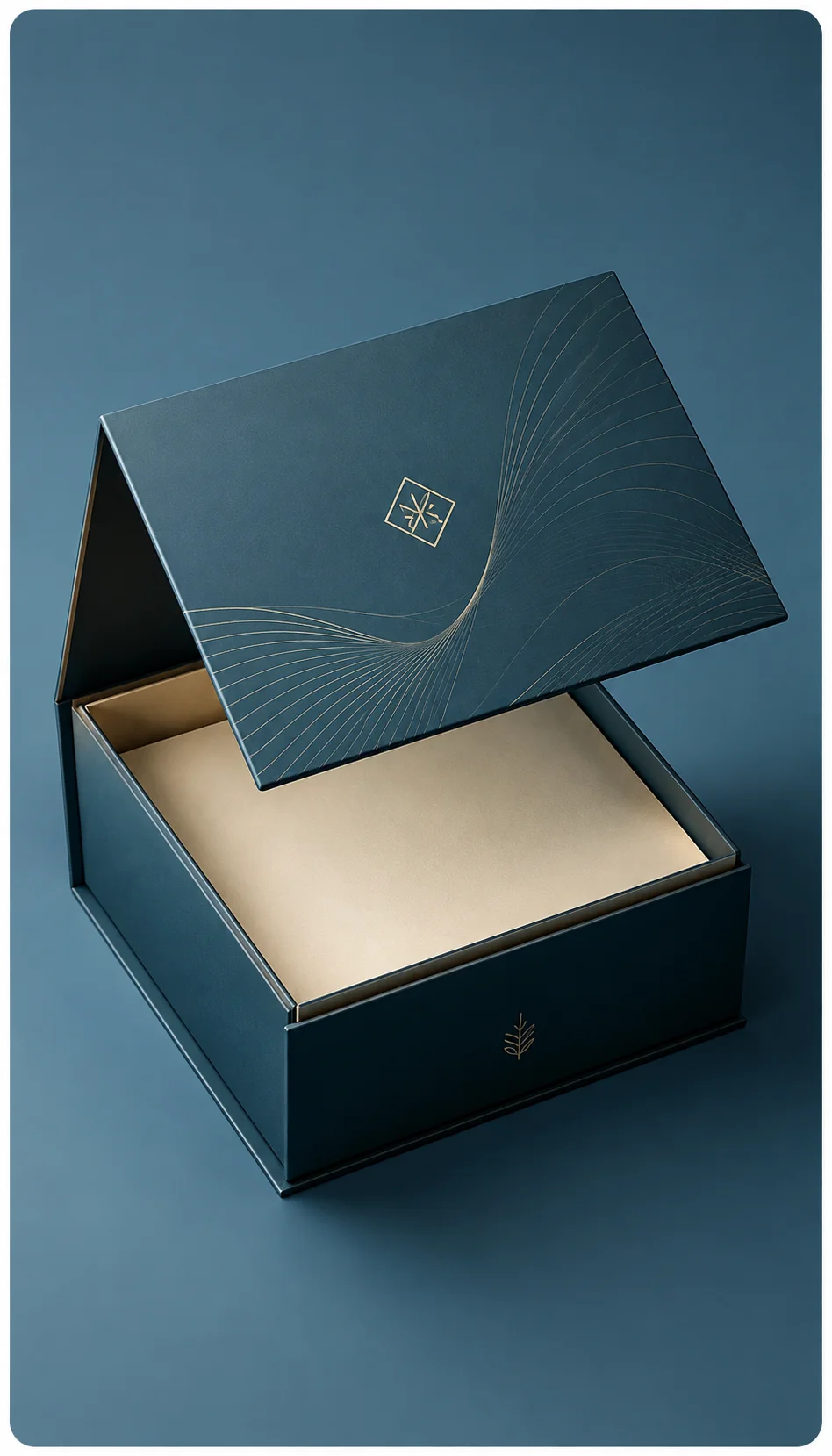
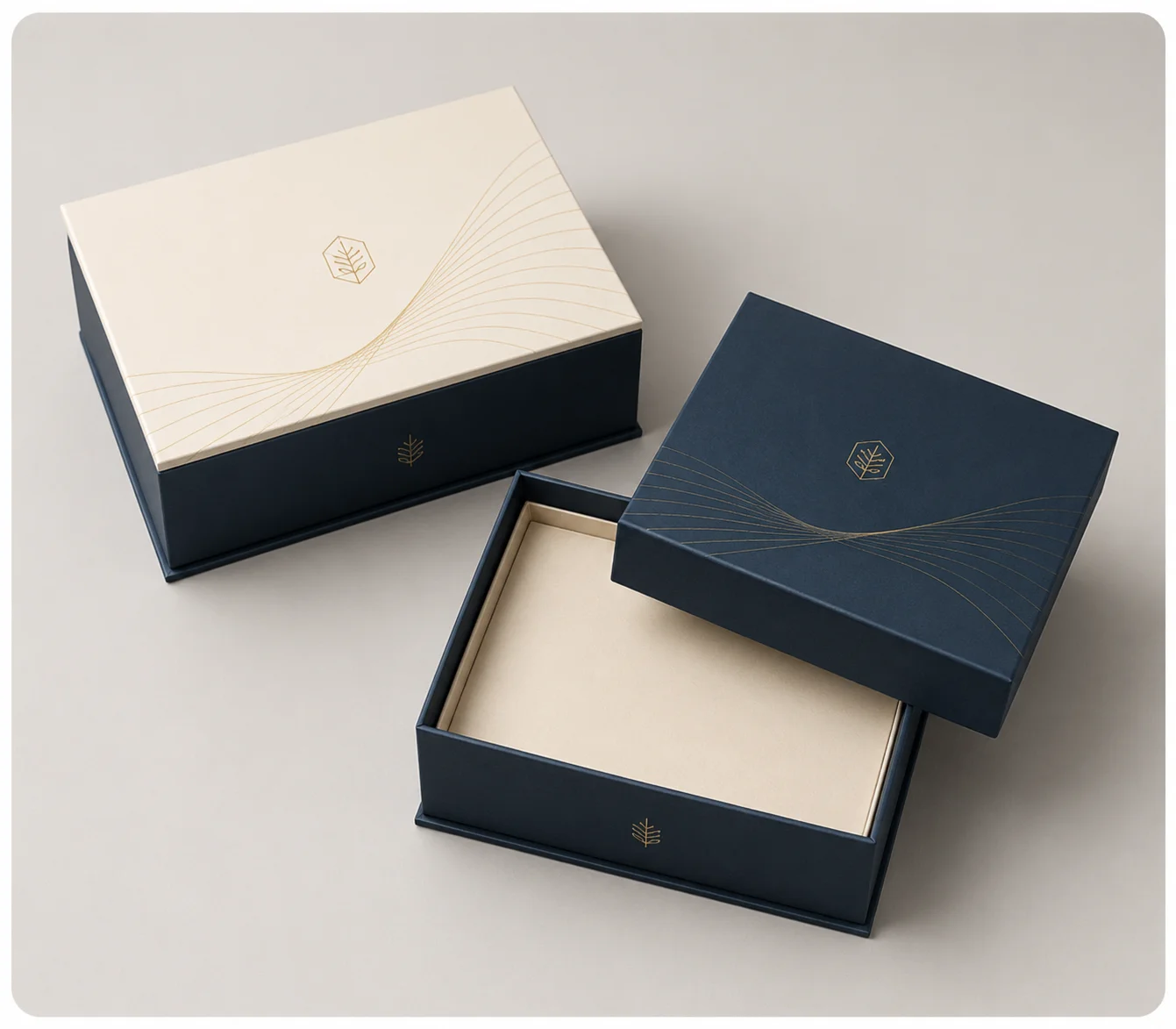
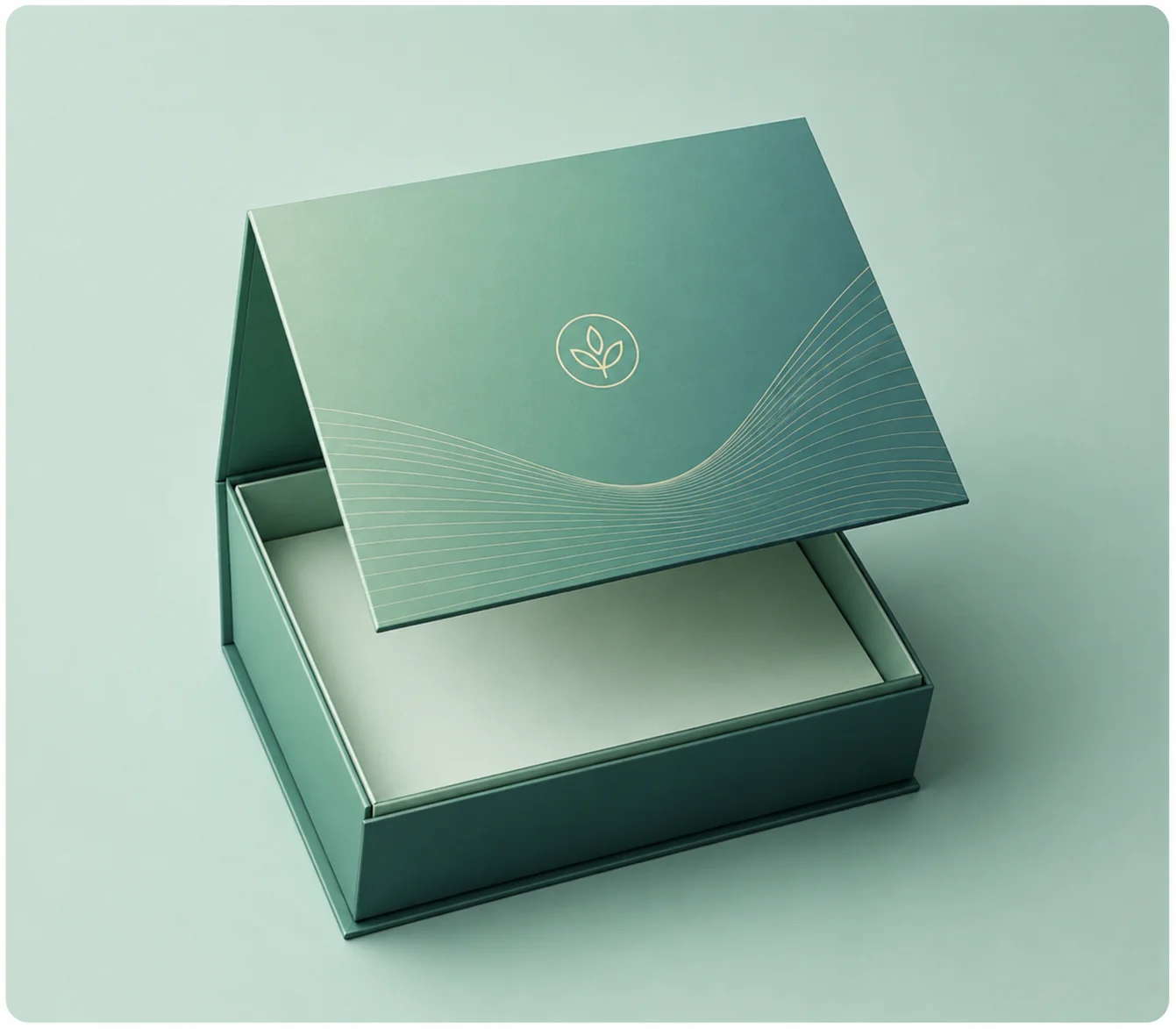
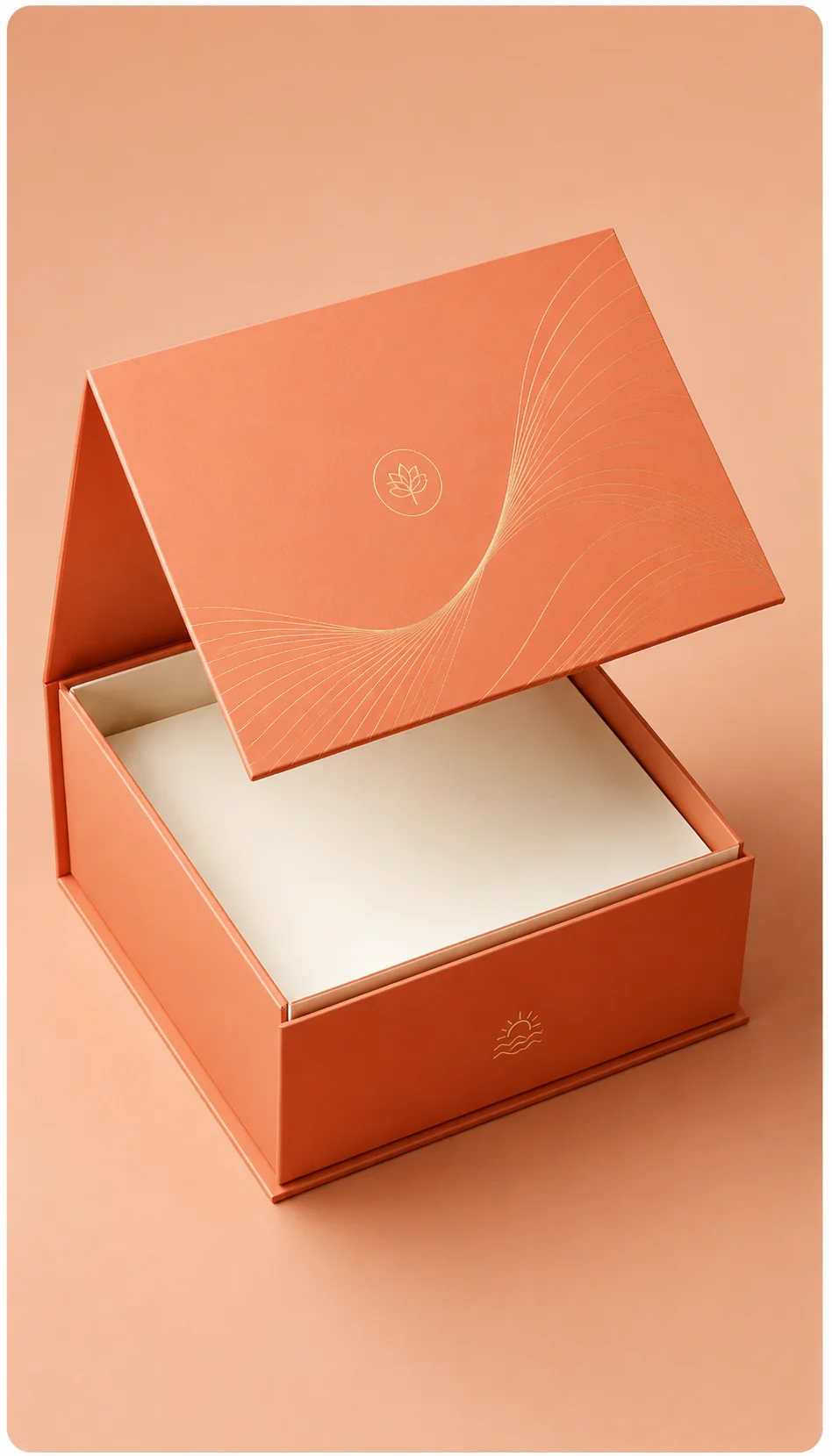
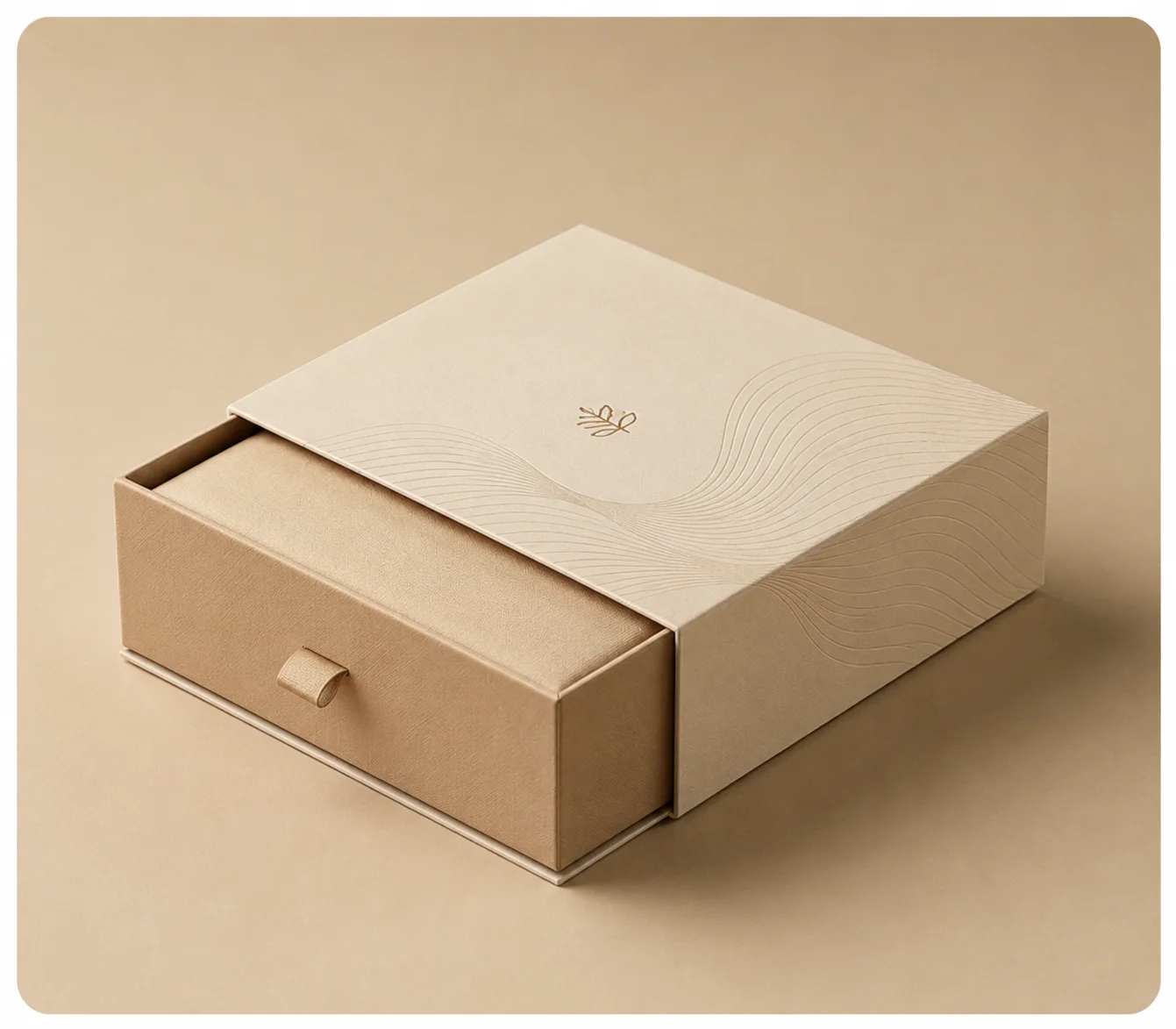
Footprint and depth can be built around a brand’s specific fold or roll style, and multi-tie inserts are available for gift sets pairing several ties or a tie with a matching pocket square. Standard exterior finishing includes foil stamping, embossing, debossing, spot UV, and matte, gloss, or soft touch lamination, and menswear brands frequently favor a restrained exterior with a single foil or embossed logo detail, keeping visual focus on the tie’s pattern and fabric once the box is opened. A ribbon or belly band closure is a common addition for gift-oriented tie packaging.
- Elongated footprint matched to rolled or folded tie presentation
- Interior tissue or padding to protect delicate tie fabrics
- Multi-tie inserts for gift sets and coordinated accessories
- Foil stamping, embossing, debossing, and spot UV finishing
- Matte, gloss, or soft touch lamination
Common Applications
Menswear and formalwear brands rely on this format as their standard tie packaging, since the fold-specific proportions consistently protect the fabric better than a generic accessory box built without a tie’s particular shape in mind. Corporate gifting programs use tie boxes frequently for client and employee gifts, where a well-presented, crease-free tie reflects directly on the gifting company’s attention to quality. Groomsmen and formal event gift sets also rely on this format, often in a multi-tie configuration for wedding parties receiving matching neckwear, where consistent packaging across the whole set reinforces the coordinated presentation the occasion typically calls for.
Sourcing at Scale With Rigid Box Market
Matching the box’s interior footprint to a brand’s specific fold or roll style is what separates a tie box that actually prevents creasing from one that simply repackages the same fold problem in a more expensive format. Rigid Box Market builds footprint and depth around the specific presentation style being packaged and holds that fit consistent across full production runs.
A quick note on whether you roll or fold your ties helps us build the right interior proportions from the start. Share your tie fold style, dimensions, and order volume, and we’ll follow up with a free quote.