Introduction
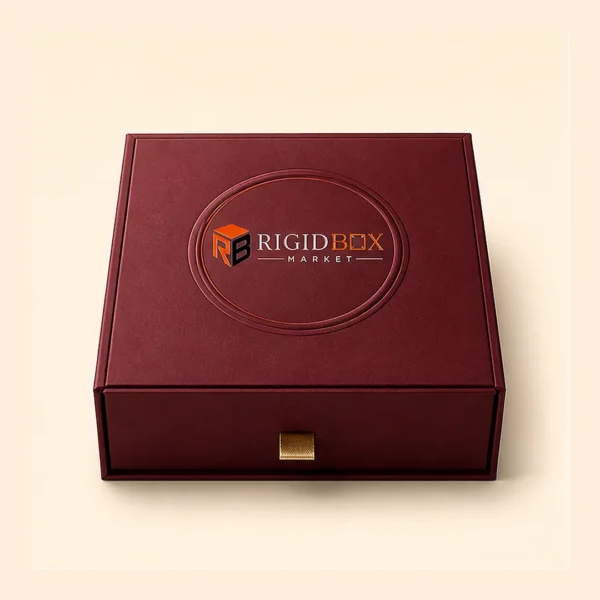
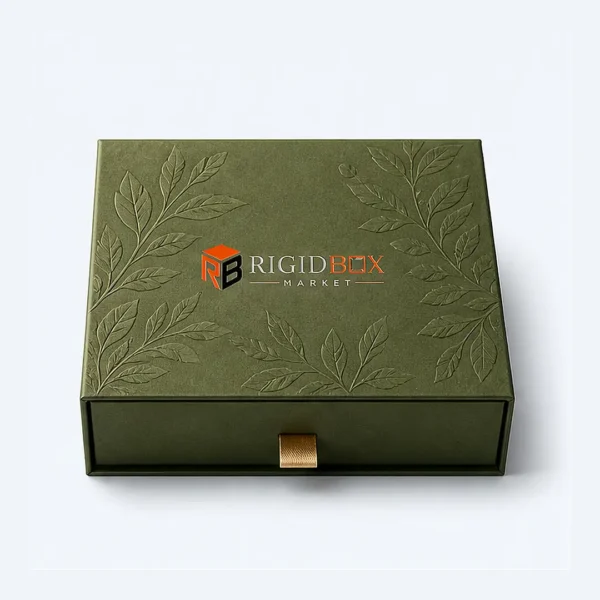
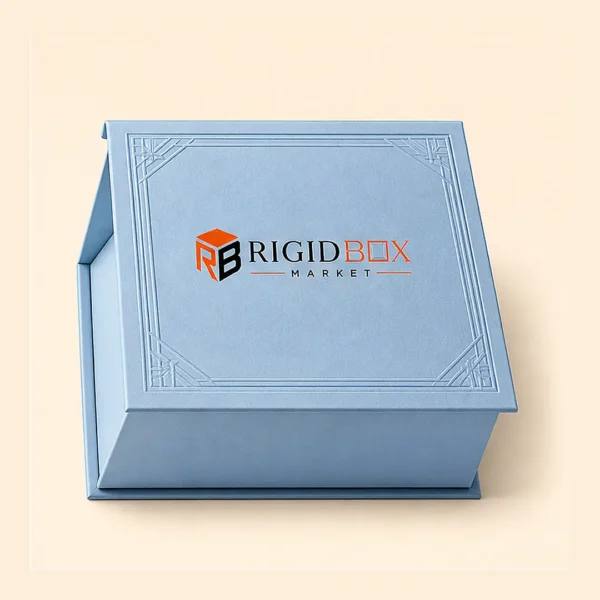
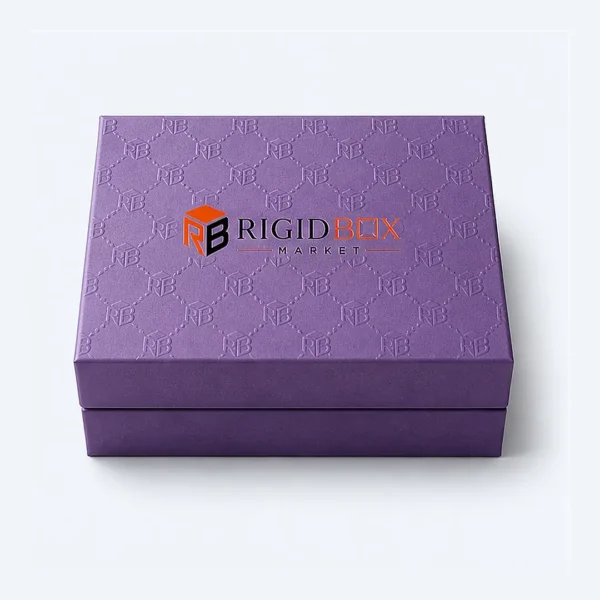
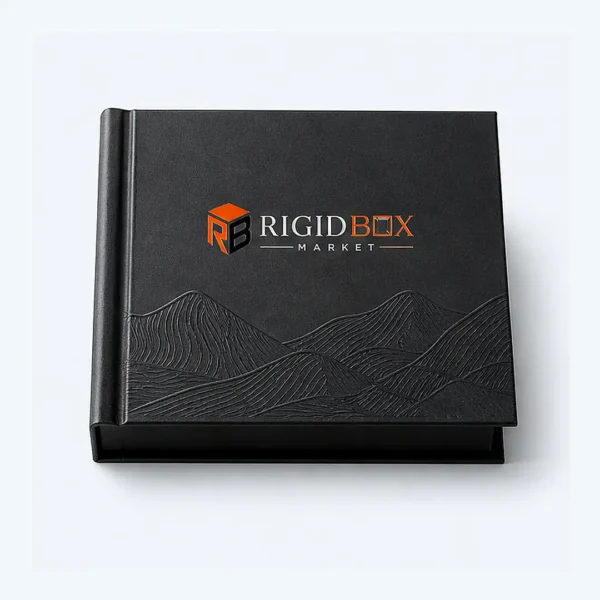
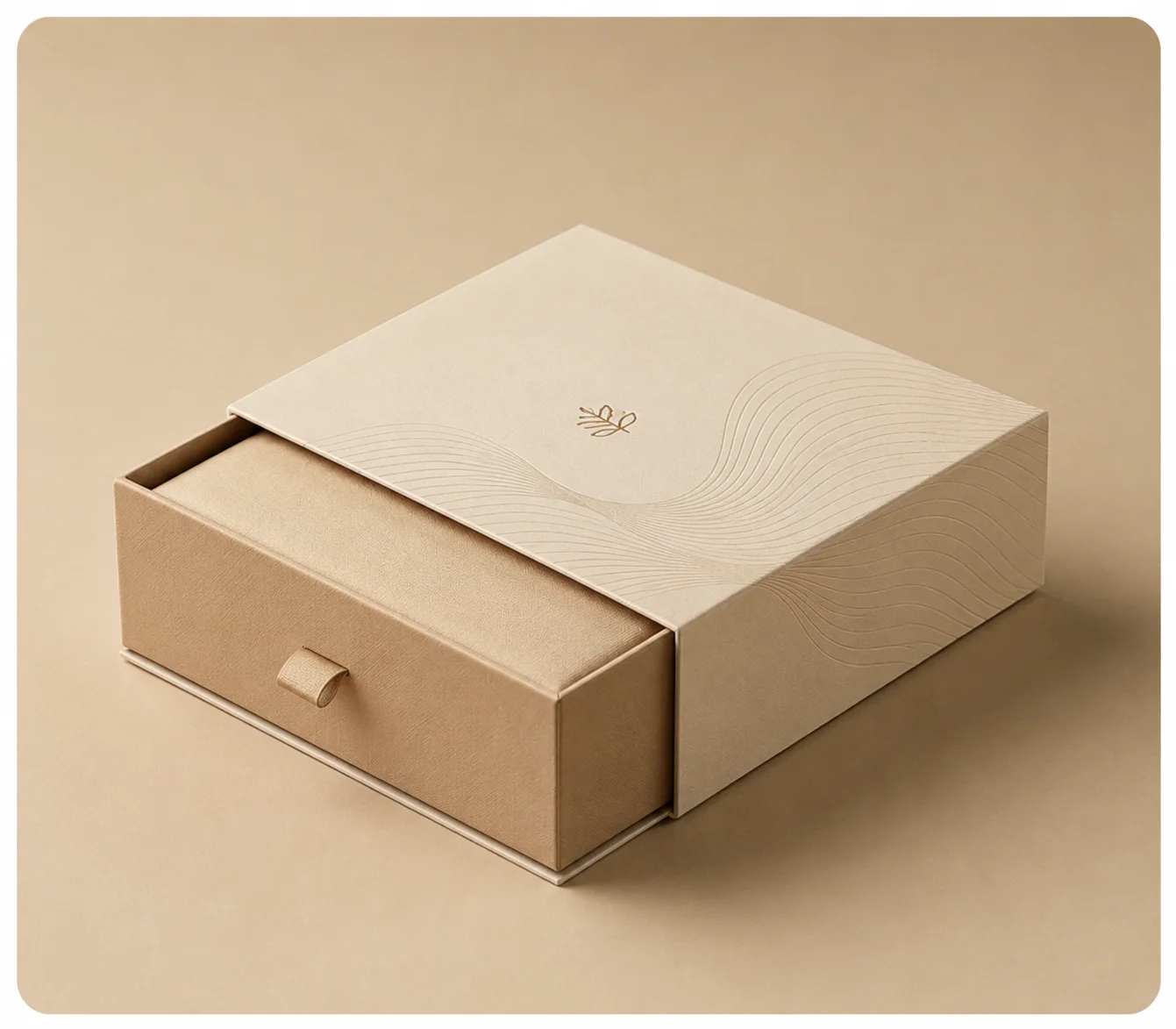
Embossing raises a logo, pattern, or text above the surrounding surface of a rigid box, using pressure and a shaped die rather than ink or foil, which gives the design a tactile dimension that customers notice by touch as much as by sight — a detail that reads as considered and premium in a way flat printing, on its own, generally can’t achieve. Because the effect relies entirely on shape rather than color, it also tends to age well visually, since there’s no ink or foil layer that can fade, scuff, or wear thin over time.
Raising the Surface
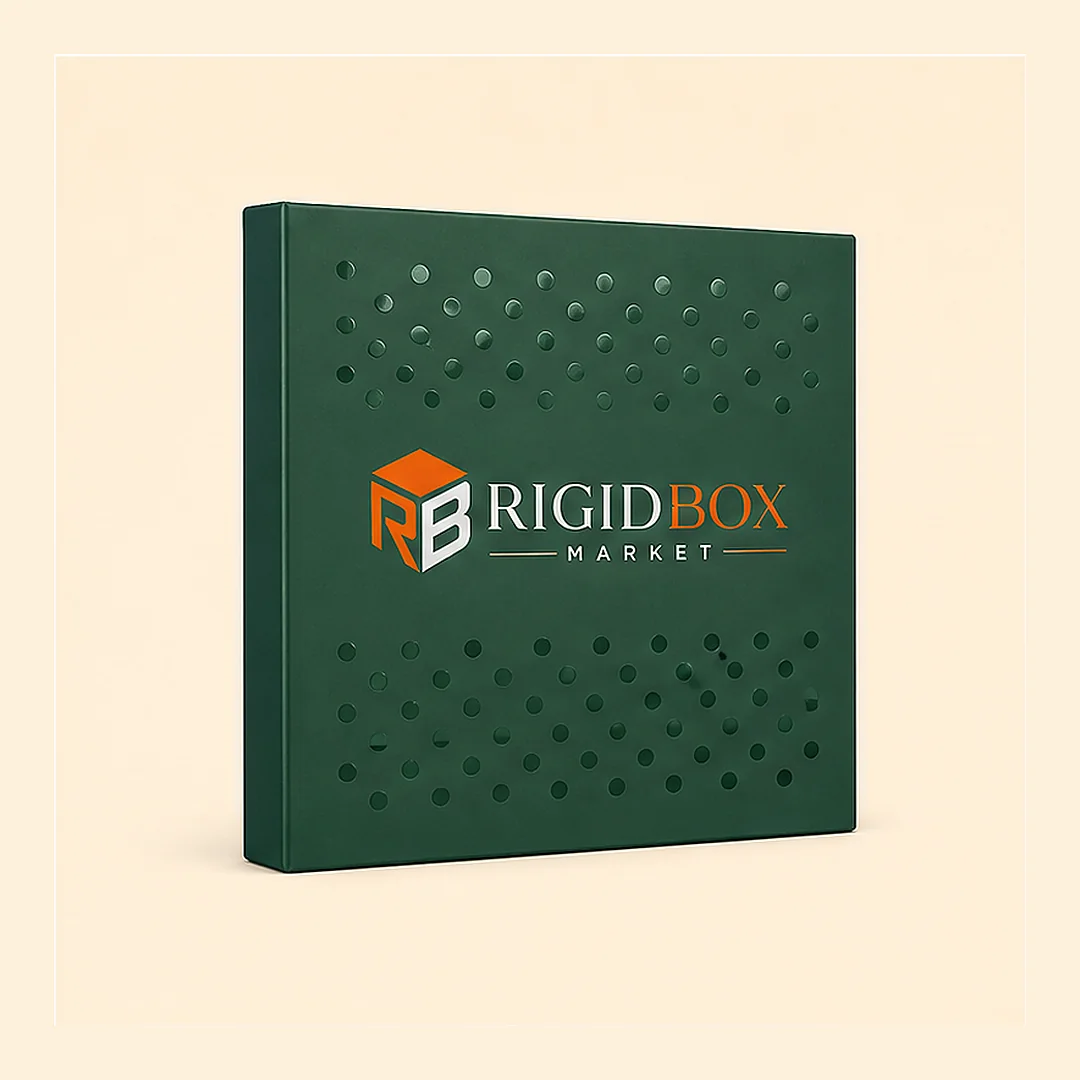
A metal die shaped to the design’s exact contours is pressed into the box material from behind, pushing the surface outward to create a raised profile on the front-facing side. Getting a clean result depends heavily on how well the die is cut and how evenly pressure is applied across the design, since uneven pressure can leave some areas of a larger design more sharply defined than others. Board thickness also affects how crisply a design embosses, since a thinner board holds fine detail less reliably than a properly specified rigid stock built to take the pressure without tearing or cracking at the edges of the raised area. Embossing depth is a meaningful design variable in its own right — a subtle, shallow emboss reads as understated and refined, while a deeper emboss creates a bolder, more dramatic dimensional effect, and the right choice usually depends on the overall visual language a brand is going for rather than any fixed rule about which depth is objectively better.
Customization Options
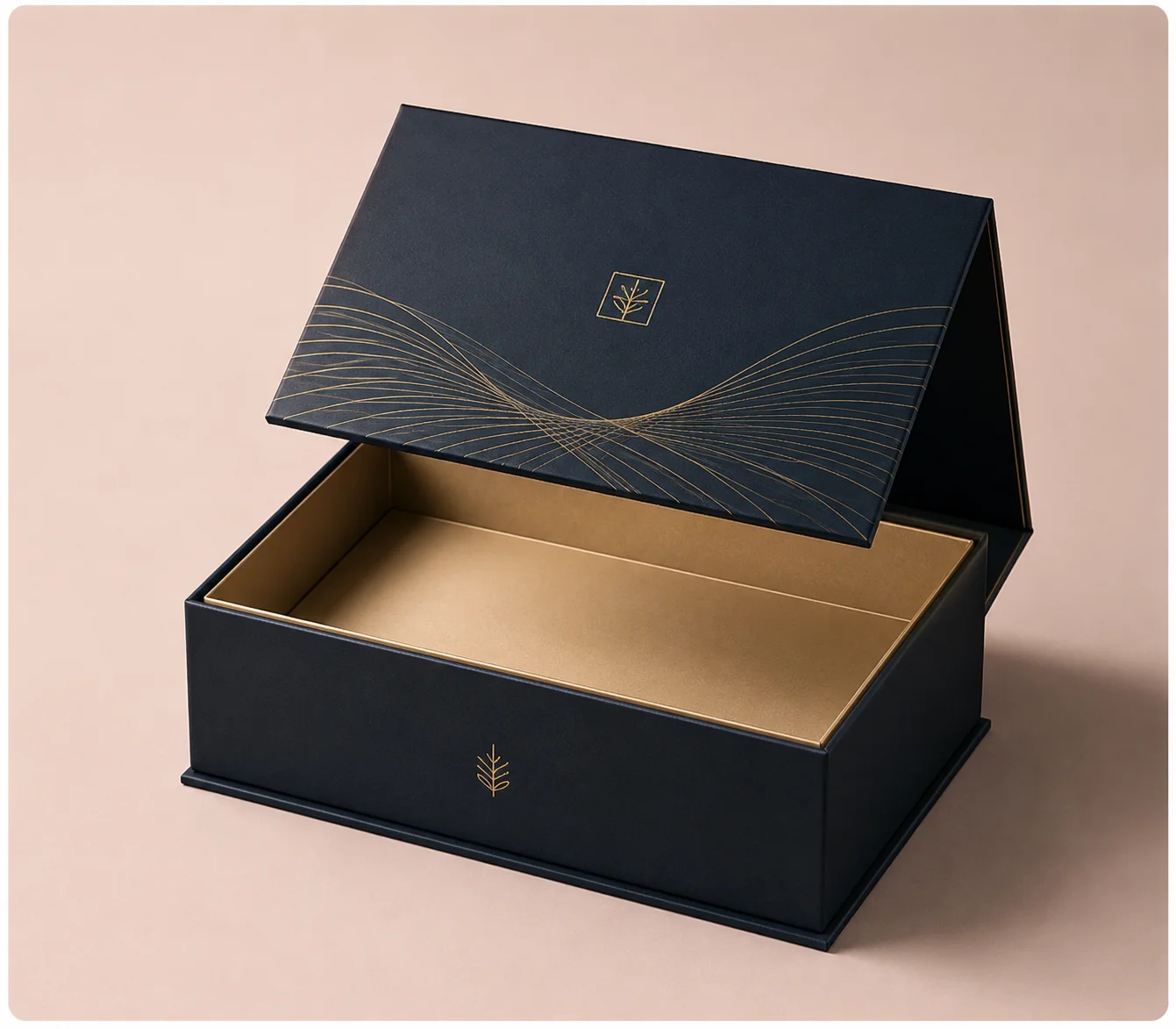
Embossing depth, placement, and design complexity can all be specified to a brand’s exact artwork, and the technique pairs naturally with other finishes — a foil stamp applied over an embossed area combines the raised profile with reflective color for a more elaborate combined effect, while a plain emboss against a matte or soft touch surface creates a quieter, more minimalist statement. Fine detail and small text generally emboss less crisply than bolder shapes and thicker letterforms, which is worth accounting for during the design phase rather than after a die has already been cut. A logo originally designed for flat print sometimes needs minor adjustments, thickening a thin line or simplifying a delicate curve, to translate well into an embossed version of the same mark.
- Custom die-cut embossing matched to exact brand artwork
- Adjustable emboss depth for subtle or bold dimensional effects
- Pairing with foil stamping for a combined raised-and-reflective look
- Contrast against matte or soft touch base finishes
- Design guidance on detail level for the cleanest embossed result
Built for These Brands
Beauty, fashion, and lifestyle brands use embossing frequently to reinforce a premium positioning without relying purely on color or foil, since the tactile quality of an embossed logo often gets noticed the moment a customer picks up the box, before they’ve even registered the visual design consciously. Stationery and gift brands also lean on embossing for its restrained, classic feel, particularly for products where a quieter, more understated finish suits the brand better than a bolder foil or gloss treatment would. Corporate and hospitality brands producing amenity or gift packaging use embossing similarly, favoring the subtle prestige it signals over a flashier finishing option, particularly in settings like hotels or private clubs where a quieter, more understated visual language is generally preferred over bold branding.
Sourcing at Scale With Rigid Box Market
Even pressure distribution across a design is the detail that determines whether an embossed logo reads as crisp and deliberate or slightly uneven and amateurish, and that consistency is considerably harder to maintain across a large production run than on a single hand-checked sample. Rigid Box Market calibrates embossing pressure and die alignment for each specific job and holds that consistency across full production runs.
Share your design files, preferred emboss depth, and order volume, and we’ll follow up with a free quote.