Overview
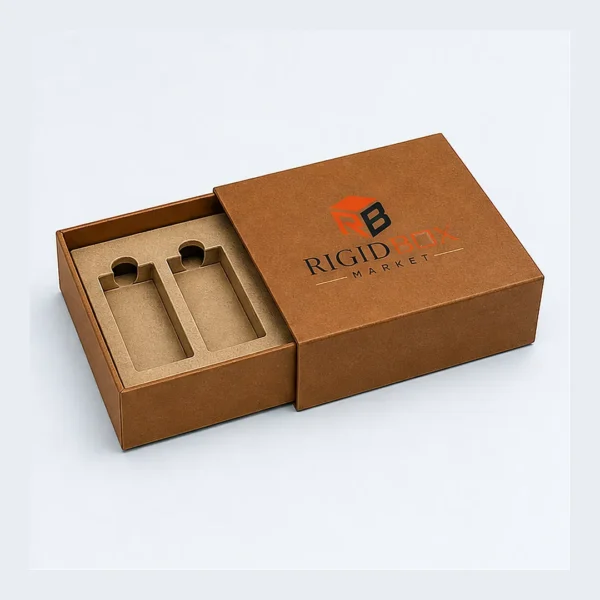
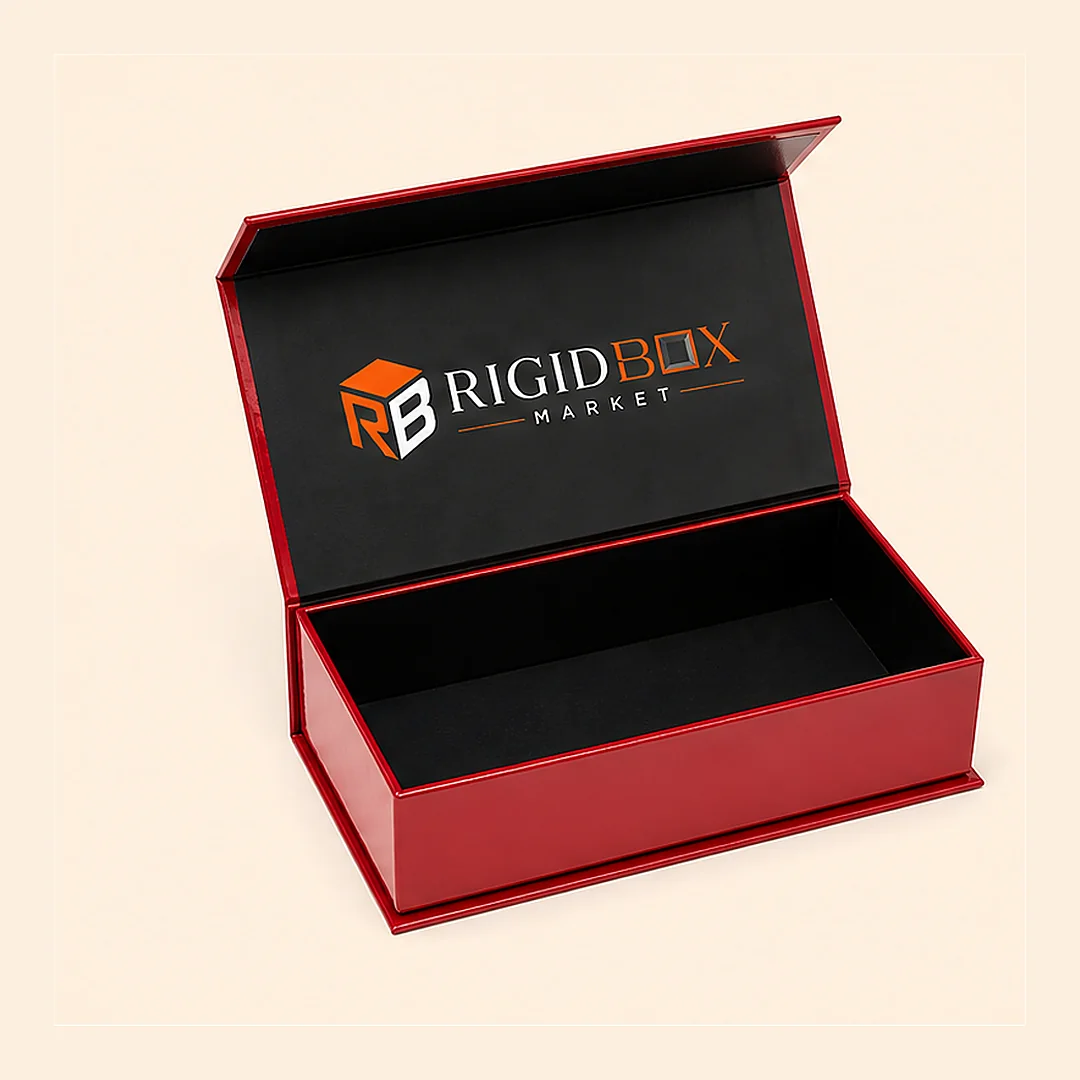
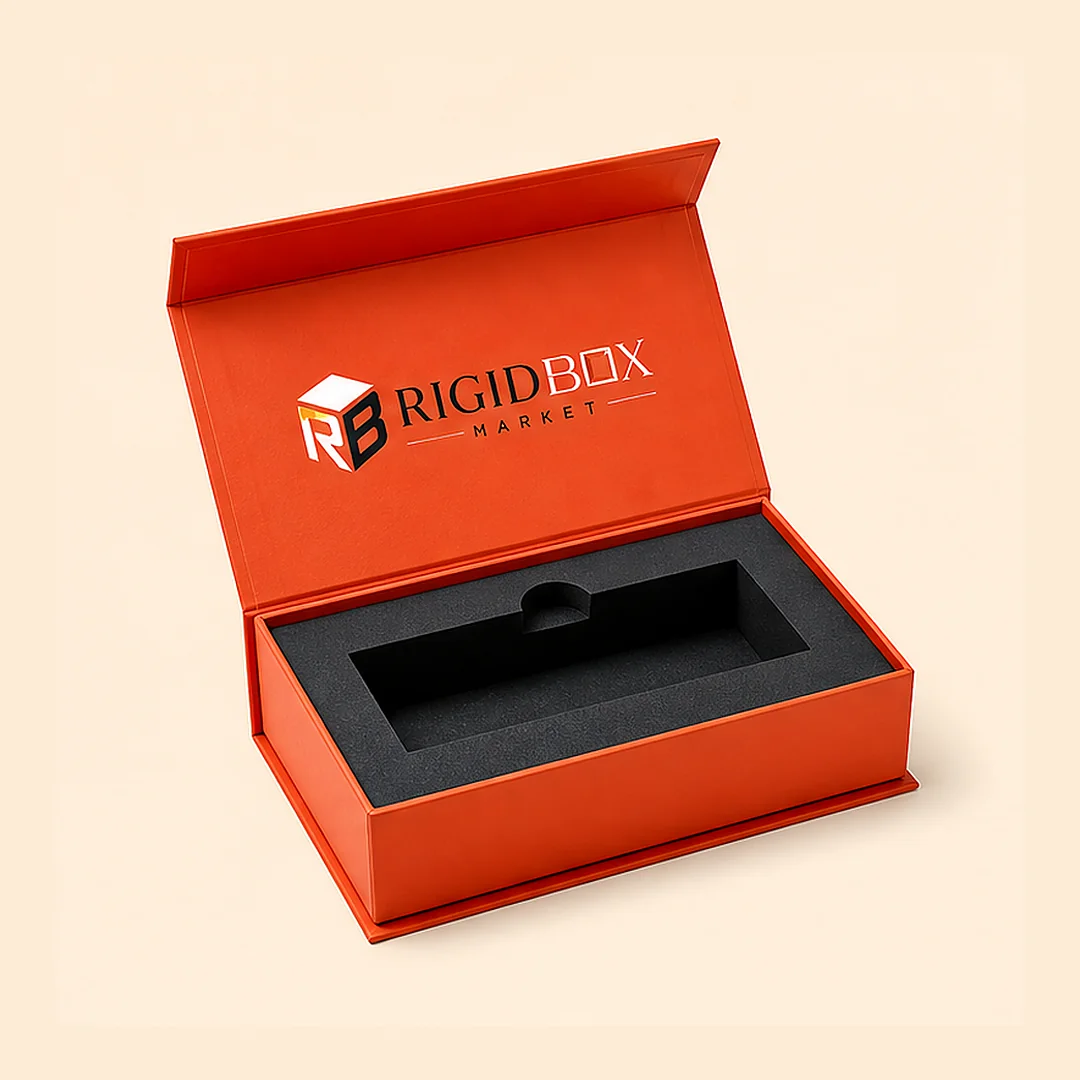
Cardboard inserts step up in structural strength from a standard paperboard divider, using thicker, often corrugated material to add real reinforcement inside a rigid shell for products that are heavier, bulkier, or simply need more support than a thin paperboard fold can reliably provide. It’s a middle ground between a light paperboard divider and a full foam cavity, offering meaningfully more load-bearing strength than the former without the shaping precision or added cost of the latter.
Added Reinforcement Where It’s Needed
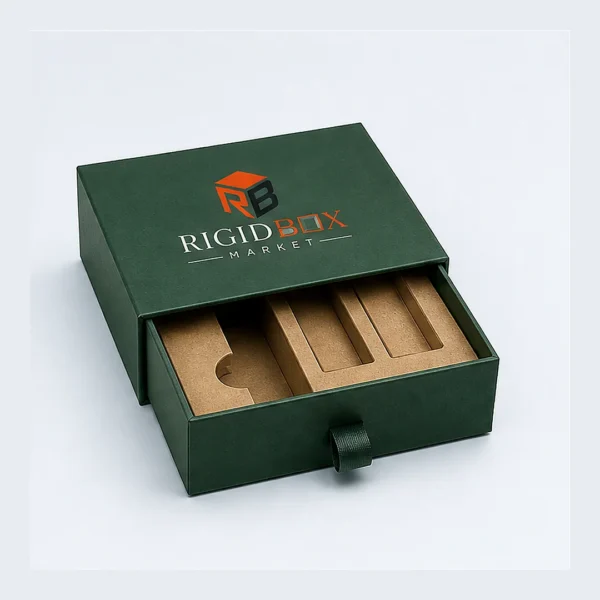
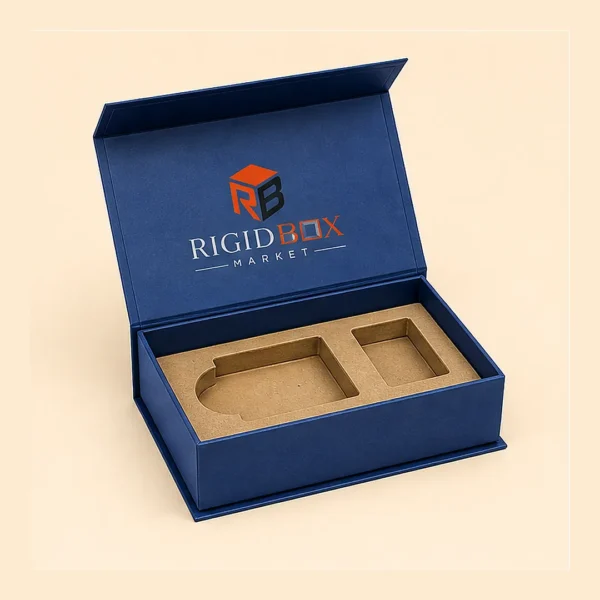
The insert is typically built from corrugated or heavy single-ply cardboard, cut and folded into compartments, platforms, or a reinforced base layer depending on what the box needs to support. Corrugated material in particular adds meaningful load-bearing strength compared to flat paperboard, since the fluted internal structure resists crushing under weight in a way a single flat sheet can’t, which makes it a practical choice for the base of a box holding heavier multi-piece sets or products that will be stacked during storage and shipping. Compartment walls built from this material also tend to hold their shape better over repeated handling than a lighter paperboard divider, which matters for products that get opened, inspected, and repacked multiple times before final use. This resilience under repeated stress is part of why corrugated material has remained the standard for shipping-grade packaging for decades despite far lighter alternatives being available.
Customization Options
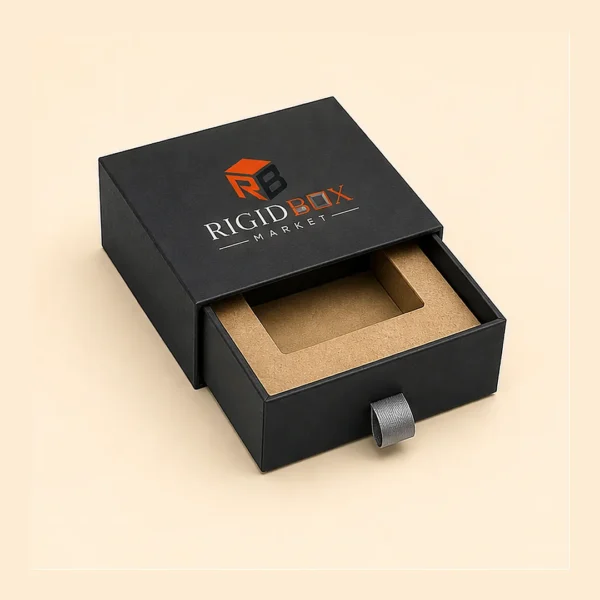
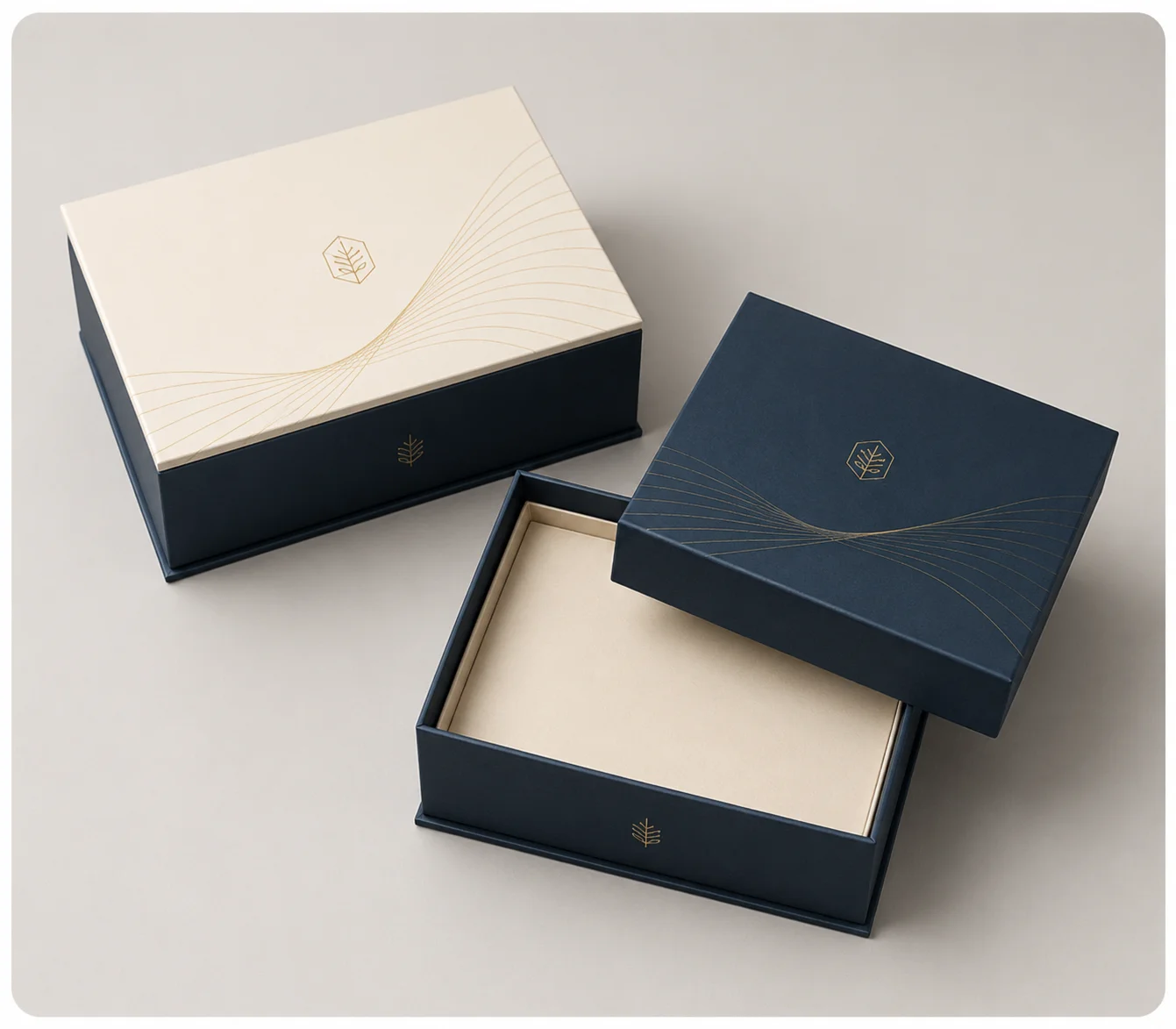
Insert thickness, compartment layout, and cutout shape can all be built around the specific weight and dimensions of the products being packaged, and reinforced base layers can be added even to boxes that otherwise use lighter paperboard for their upper compartments. Flute profile is another variable worth specifying, since a finer flute holds detail and folds more precisely, while a coarser flute offers more raw crush resistance for heavier loads. Standard exterior shell finishing includes foil stamping, embossing, debossing, spot UV, and matte, gloss, or soft touch lamination, entirely independent of the interior reinforcement, and the cardboard insert itself is typically left unfinished on interior-facing surfaces where it won’t be visible, keeping production costs focused on where the reinforcement actually matters. A printed or laminated top layer is sometimes added to visible sections for a more finished appearance where the insert doubles as a display platform.
- Corrugated or heavy single-ply cardboard for load-bearing strength
- Reinforced base layers for heavier or stacked products
- Compartment layout built around specific product weights
- Foil stamping, embossing, debossing, and spot UV shell finishing
- Matte, gloss, or soft touch lamination on the exterior shell
Best Suited For
Electronics, tools, and multi-piece retail sets that combine noticeable weight with a need for internal organization rely on this insert type most consistently, since a lighter paperboard divider can sag or deform under sustained weight in a way that undercuts the whole point of having compartments in the first place. Brands shipping products that will be warehoused and stacked before final distribution also favor reinforced cardboard bases, since the added structural strength helps a box hold its shape under the weight of other boxes stacked above it, which becomes especially relevant for brands using third-party fulfillment centers where box handling and stacking practices are largely outside their direct control. Subscription and bundle boxes carrying several heavier items at once are another common application, where reinforcement keeps the whole package from sagging under its own contents, which matters especially for boxes that sit in transit for extended periods, where a lighter insert has more time to gradually deform under sustained weight.
Working With Rigid Box Market
Matching insert thickness to actual product weight is the detail that determines whether a reinforced cardboard structure genuinely performs better than a lighter paperboard alternative or simply adds unnecessary cost without a real functional benefit. Rigid Box Market specifies insert thickness and construction based on the actual weight and handling conditions a product will face, and holds that specification consistent across full production runs.
Share your product weight, dimensions, and order volume, and we’ll follow up with a free quote.