Overview
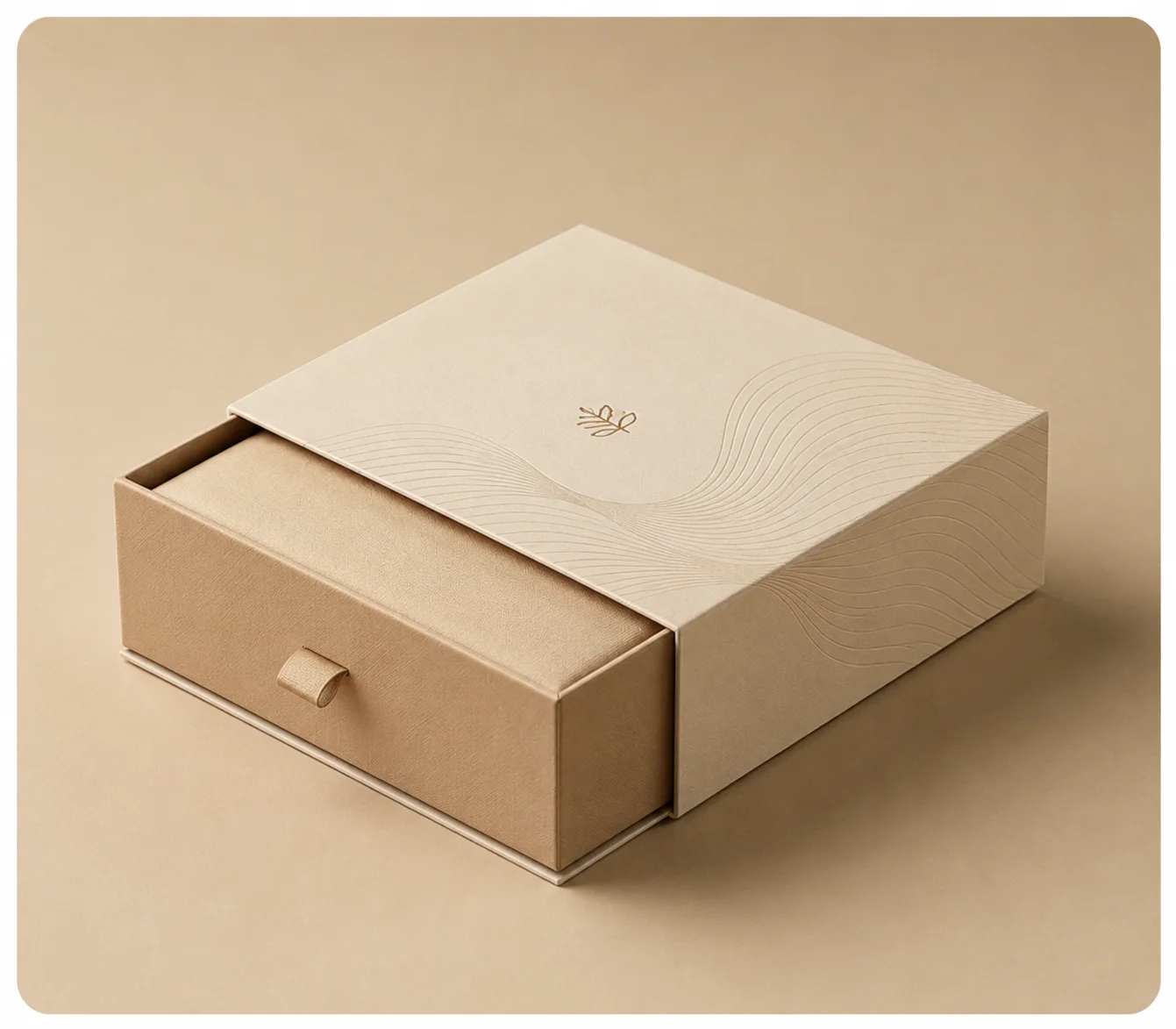
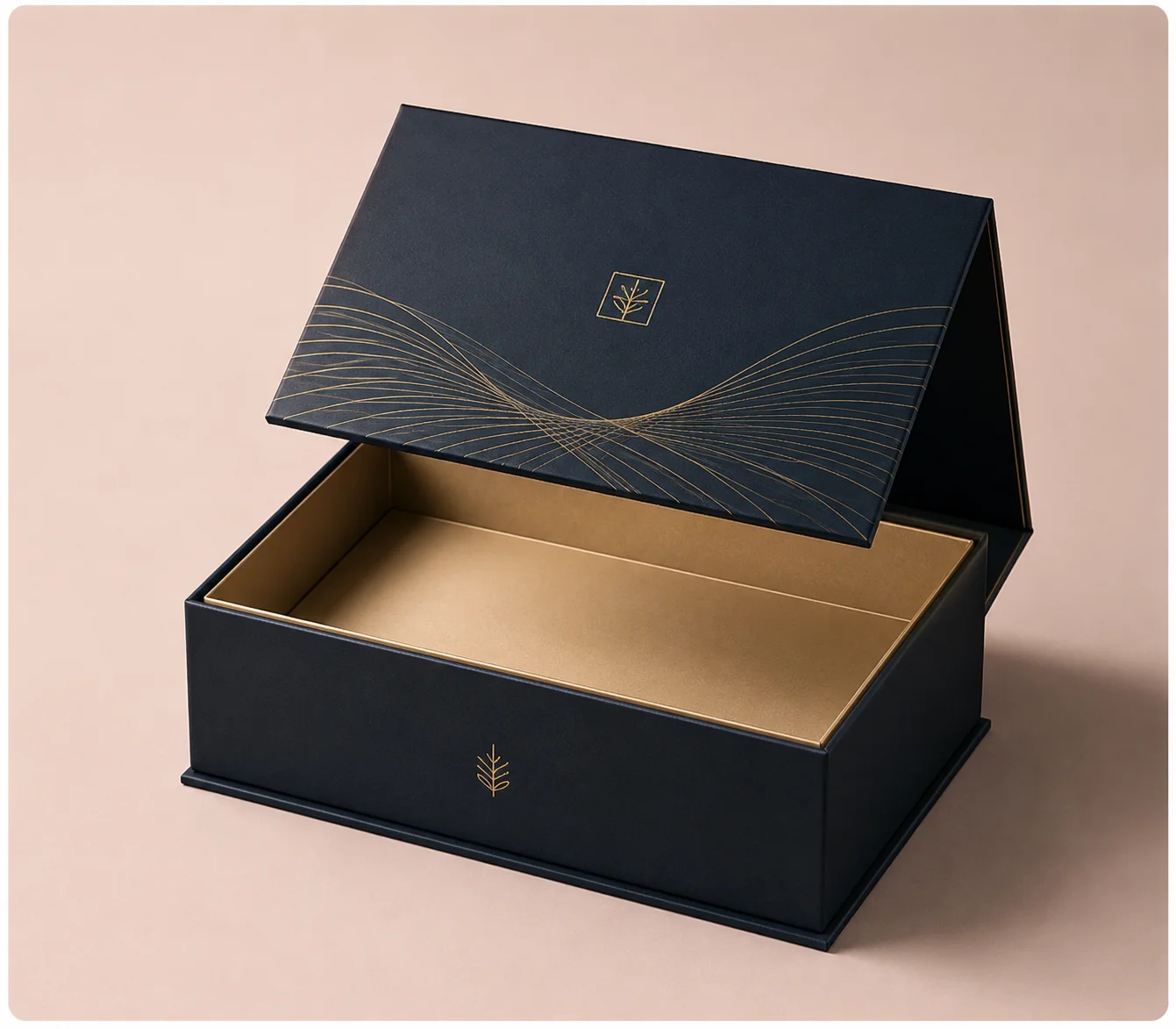
Debossing does the structural opposite of embossing — instead of pressing a design outward above the surface, a shaped die presses it inward, leaving a recessed impression that reads as quiet and understated rather than bold or dimensional. The two techniques use nearly identical equipment, and the choice between them often comes down entirely to which visual and tactile direction a brand wants to take, rather than any difference in production complexity. It’s a finish chosen specifically by brands that want a tactile, premium detail without the visual weight a raised or foiled treatment would add, which makes it one of the more restrained options in the finishing catalog rather than one built to grab attention.
Pressing Rather Than Raising
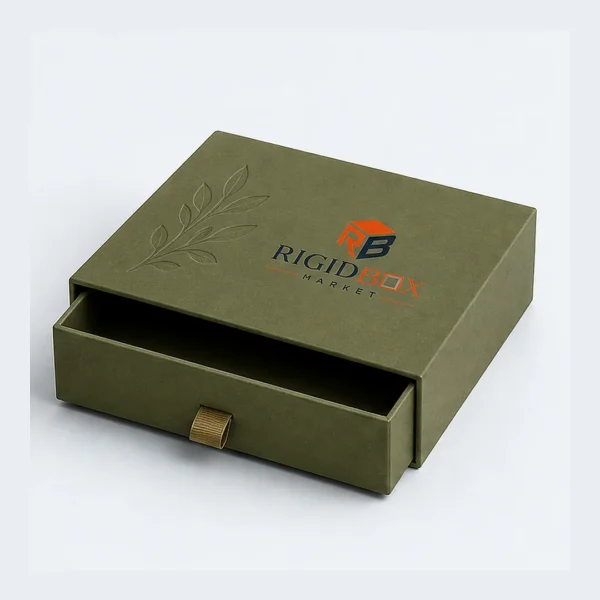
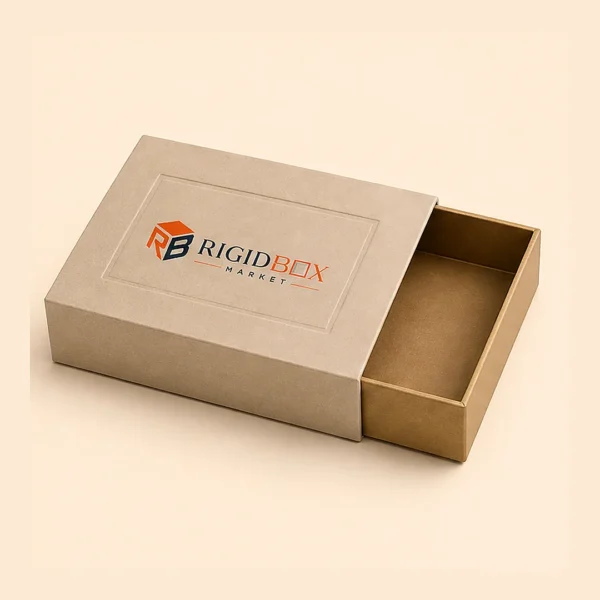
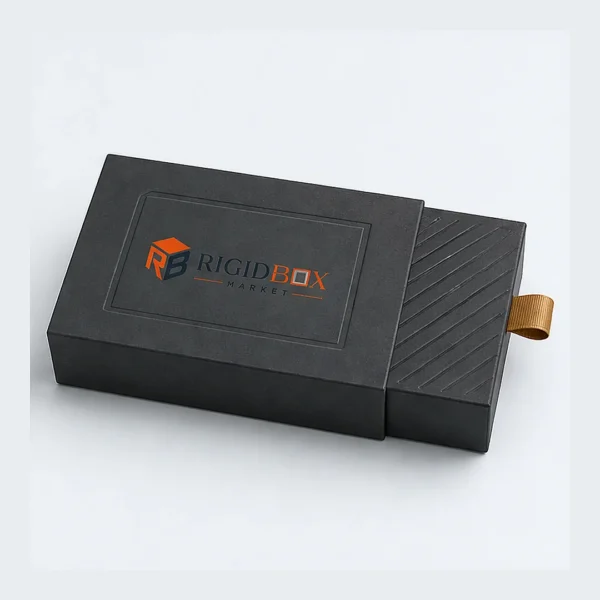
A metal die shaped to the design’s exact contours is pressed into the box material from the front, pushing the surface inward to create a recessed profile that sits below the surrounding surface rather than above it. Because the recess catches light and shadow differently depending on the viewing angle, a debossed design can look almost invisible under flat, even lighting and considerably more defined under angled or directional light, which is worth keeping in mind when planning how a box will actually be displayed or photographed. Retail shelf lighting, typically angled from above, tends to flatter debossed detail more than the flat, even lighting common in most product photography setups. Depth is a meaningful variable here just as it is with embossing — a shallow deboss reads as a subtle texture a customer might notice mostly by touch, while a deeper impression creates a more visible, deliberate design element even without any added color or foil.
Customization Options
Deboss depth, placement, and design complexity can all be specified against a brand’s exact artwork, and the technique pairs well with other finishes, particularly a matte or soft touch base, where the debossed area creates a subtle textural break in an otherwise uniform surface. Combining debossing with a light ink fill inside the recessed area is another option, adding a touch of color without the higher-contrast look a full foil treatment would create. This combination is sometimes called a tint deboss, and it’s a popular middle ground for brands who want a hint of color without moving to a more visually assertive foil or spot UV treatment. As with embossing, fine detail and small text generally deboss less crisply than bolder shapes, so simplifying intricate artwork before die-cutting tends to produce a cleaner finished result.
- Custom die-cut debossing matched to exact brand artwork
- Adjustable deboss depth for subtle or more pronounced effects
- Optional ink fill inside the recessed area for a touch of color
- Pairing with matte or soft touch base finishes for textural contrast
- Design guidance on detail level for the cleanest debossed result
Where Debossing Shows Up
Minimalist beauty, fashion, and lifestyle brands favor debossing specifically because it reinforces a quieter, more refined visual identity than embossing or foiling would, which matters for brands whose overall design language already leans restrained rather than bold. Stationery and gift brands also use debossing frequently for the same reason, since a recessed logo on a plain, uncoated stock can feel more considered than a flashier alternative in categories where understatement itself signals quality. Hospitality and hotel amenity packaging leans on debossing similarly, favoring the subtle prestige it communicates over a more attention-seeking finish, since a quieter, more tactile detail tends to suit the understated luxury language many hospitality brands aim for across their guest-facing materials.
Why Rigid Box Market
Even pressure and precise die alignment are what separate a clean, evenly recessed deboss from one that looks shallow in some areas and overly deep in others, and holding that consistency across a full production run is considerably harder than getting it right on a single approved sample. Rigid Box Market calibrates debossing pressure and die alignment for each specific job and holds that consistency across full production runs, so the subtle, deliberate impression approved on a sample carries through every unit shipped.
Share your design files, preferred deboss depth, and order volume, and we’ll follow up with a free quote.