At a Glance
A window on a rigid box does something no amount of exterior printing can fully replicate: it lets the actual product speak for itself before the box is ever opened, which matters enormously for categories where color, texture, or exact appearance genuinely affects a purchase decision and a printed illustration simply can’t substitute for the real thing. It’s also one of the more cost-effective ways to add visual differentiation on a retail shelf, since a window doesn’t require anywhere near the tooling investment that a fully custom box shape would.
How the Window Is Built
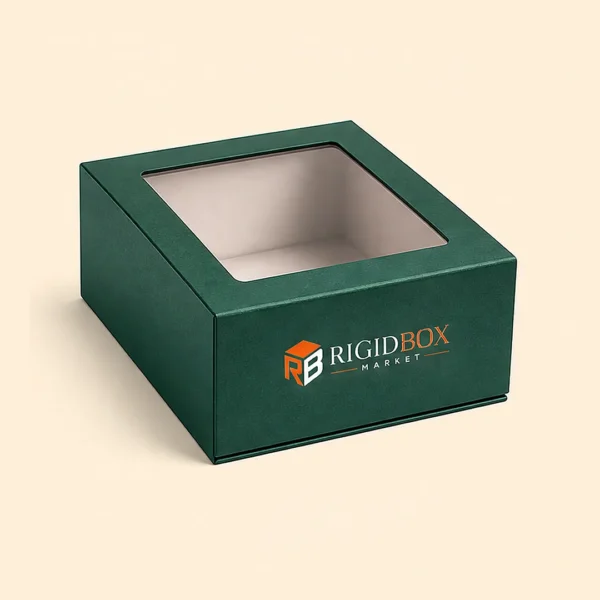
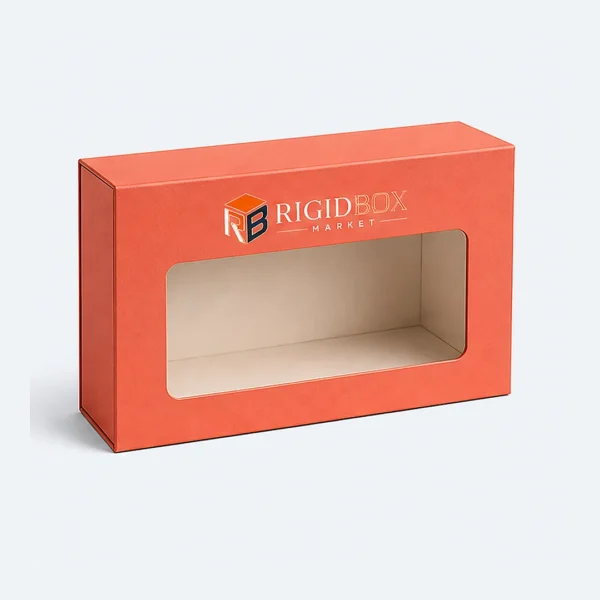
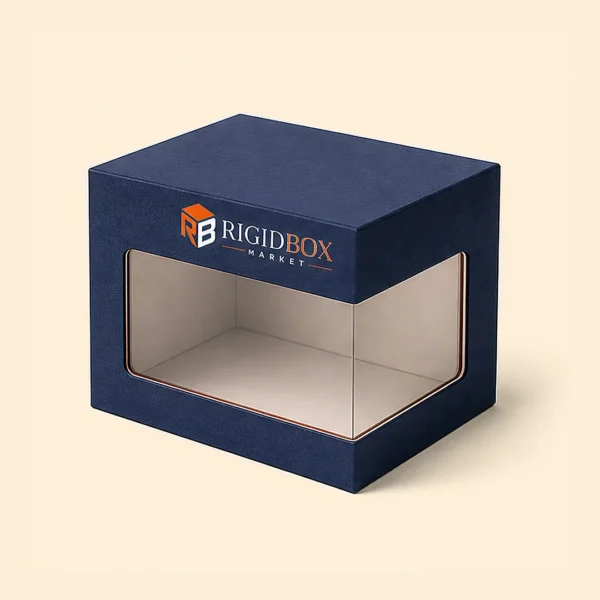
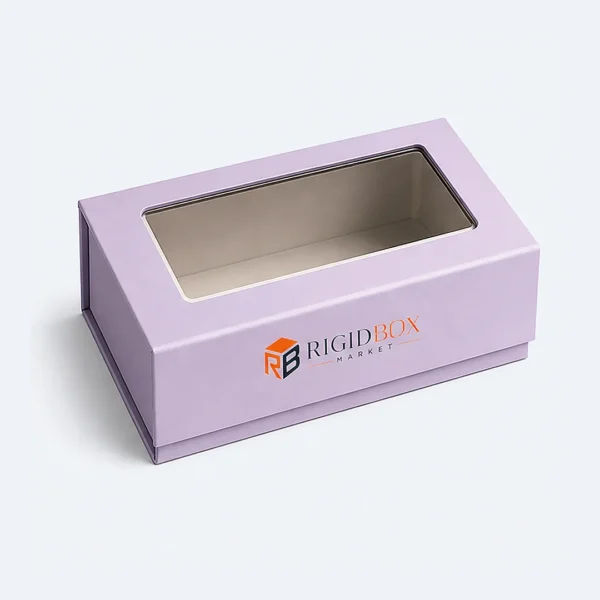
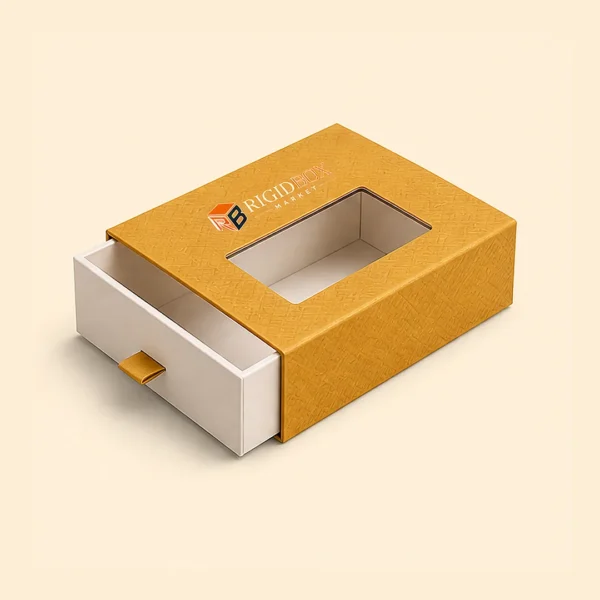
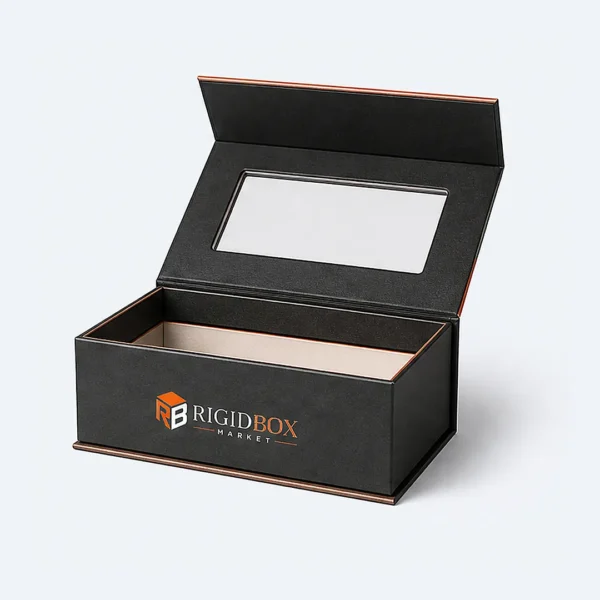
The window itself is a die-cut opening in the box’s lid or front panel, generally covered with a clear film adhered from the inside so the opening stays sealed while still showing the product through it. Film choice matters more than it might seem — a lower-grade film can yellow or cloud over time, especially under retail lighting, which undercuts the entire purpose of the window if the product ends up looking duller through the film than it actually is. Window placement and shape also need to be planned around exactly what part of the product is meant to be visible, since a window positioned even slightly off from a product’s most visually interesting angle wastes the feature’s main advantage. For multi-item boxes, a single window sometimes has to compromise between showing several products at once, which is worth discussing at the design stage rather than defaulting to a generic centered cutout.
Customization Options
Window size, shape, and placement can be built to showcase a specific part of the product, from a small circular cutout highlighting a single detail to a larger panel showing most of the product’s face. Standard exterior finishing around the window includes foil stamping, embossing, debossing, spot UV, and matte, gloss, or soft touch lamination, and some brands frame the window itself with a foil border or embossed edge to give the cutout a more finished, deliberate look rather than a plain die-cut hole. Interior lighting or a reflective foil backing behind the window is an additional option for higher-end retail displays where the product needs to stand out under store lighting, and a subtly tinted film can also be used to add a color cast that flatters certain products without misrepresenting their actual appearance.
- Die-cut window with clear film sealing from the interior
- Custom shape, size, and placement to highlight specific product details
- Foil-bordered or embossed window framing
- Foil stamping, embossing, debossing, and spot UV shell finishing
- Matte, gloss, or soft touch lamination
Who Uses This Feature
Bakery and confectionery brands rely on window cutouts heavily, since the visual appeal of a decorated cookie, a macaron assortment, or a chocolate collection is often the deciding factor in a retail purchase and a window lets that appeal do the selling without requiring the box to be opened. Beauty and cosmetics brands use windows for products where color accuracy matters, such as a lipstick shade or an eyeshadow palette, where a printed color swatch alone can’t be trusted to match the actual product. Hair extension and specialty retail brands also depend on windows for the same underlying reason — some products simply need to be seen, not described. Toy and collectible brands rely on windows heavily as well, since customers in that category frequently want to inspect a figure or piece for quality and detail before ever removing it from the box.
The Rigid Box Market Advantage
Film clarity and seal quality are the two details that determine whether a window feature actually enhances a box’s shelf presence or becomes a liability once it clouds or peels after a few weeks in transit and storage. Rigid Box Market uses film and adhesion methods built to hold their clarity and seal across full production runs and realistic shelf timelines, not just through initial sample approval.
Share your product, the window placement you’re picturing, and your order volume, and we’ll follow up with a free quote.