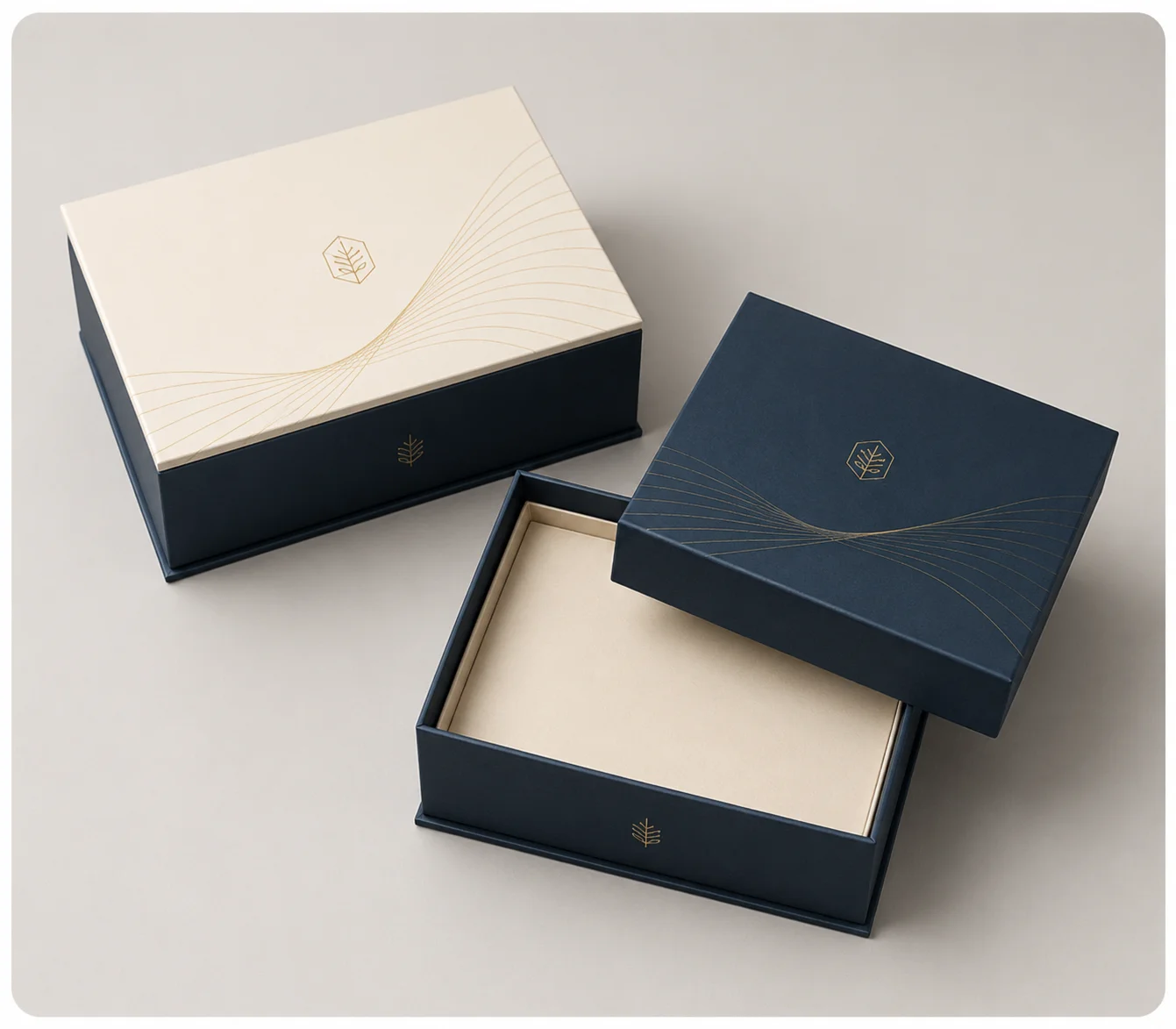
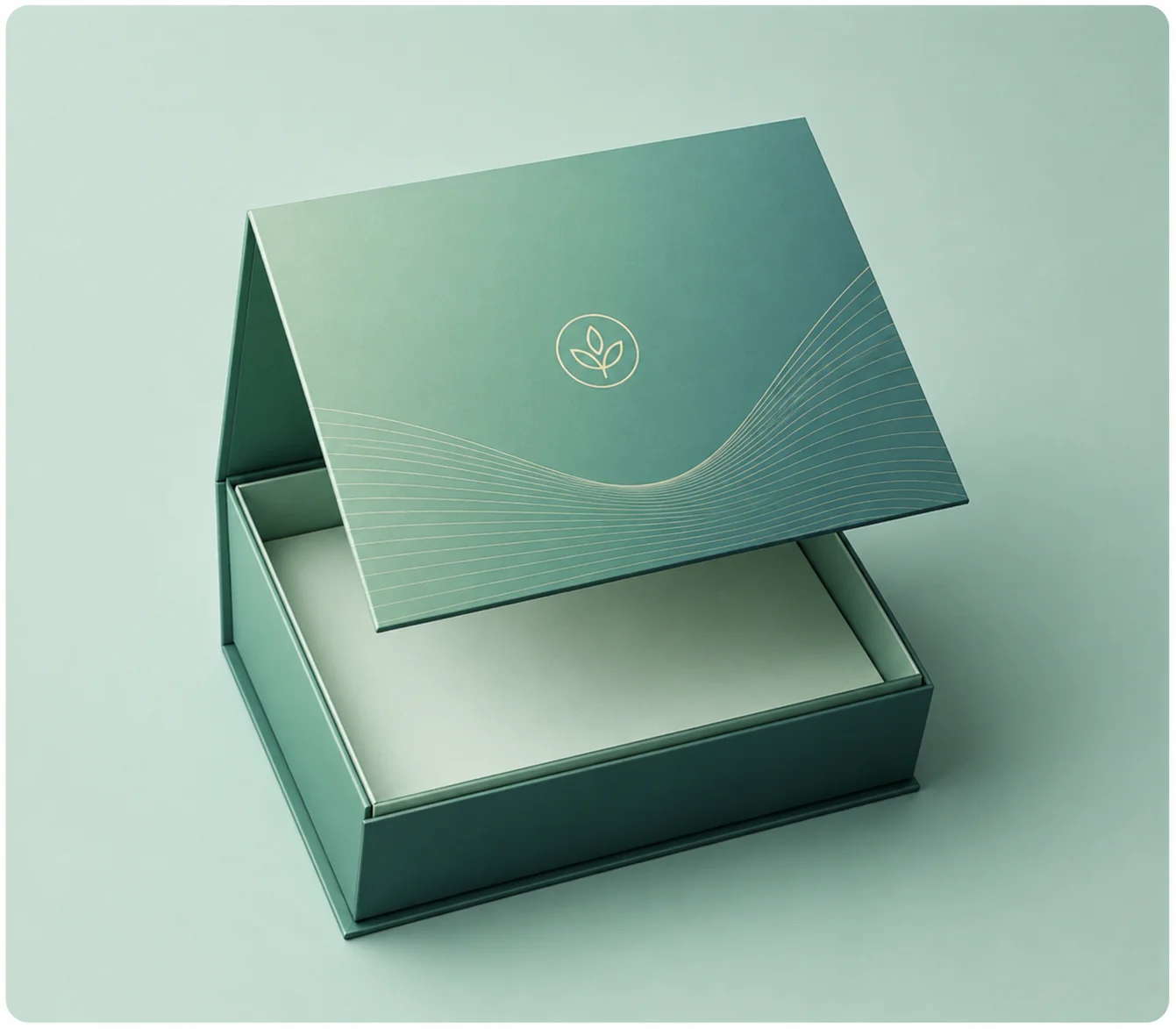
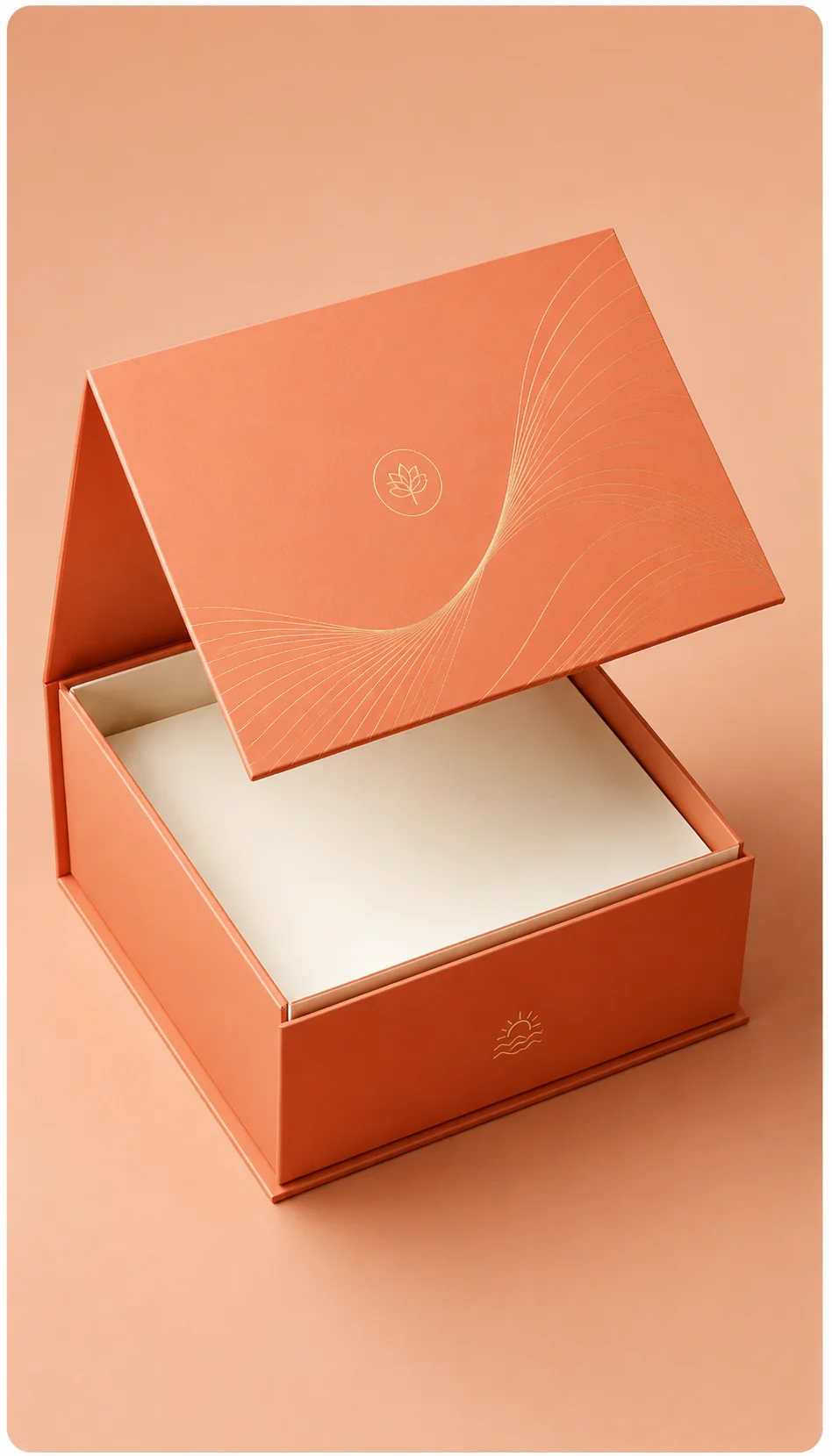
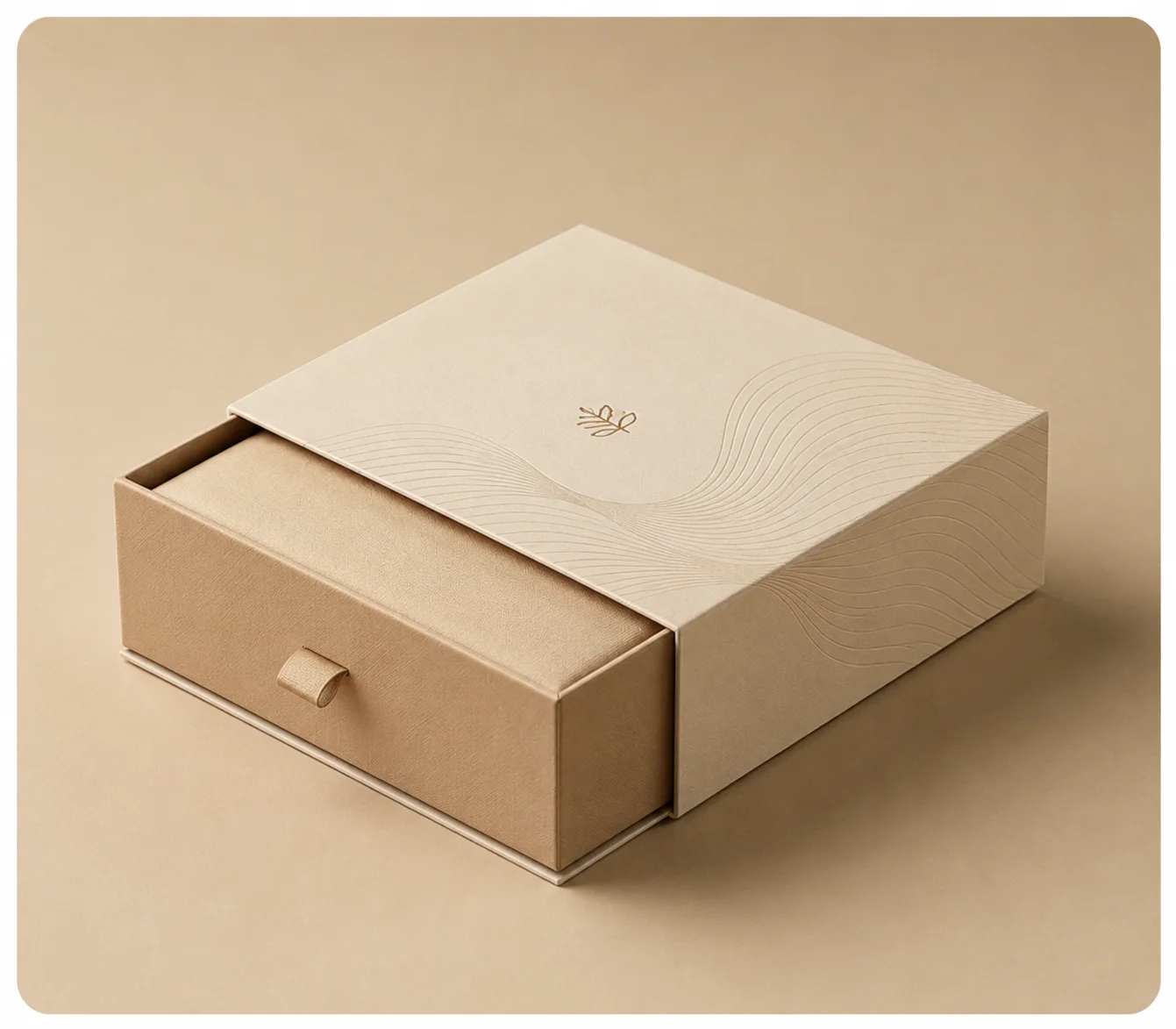
First Look
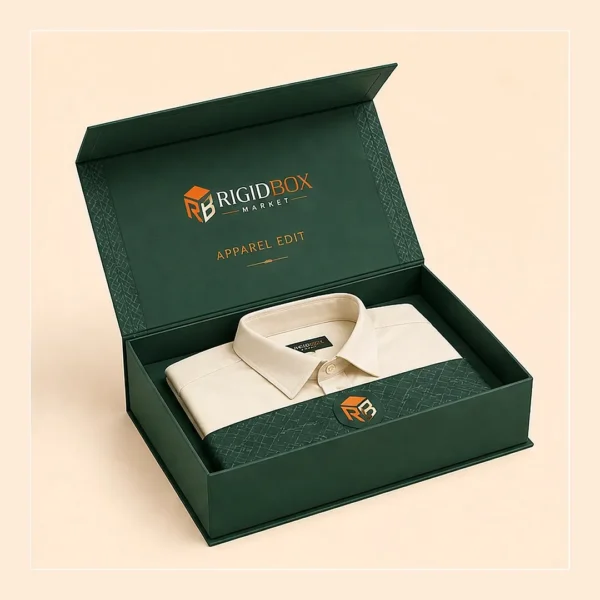
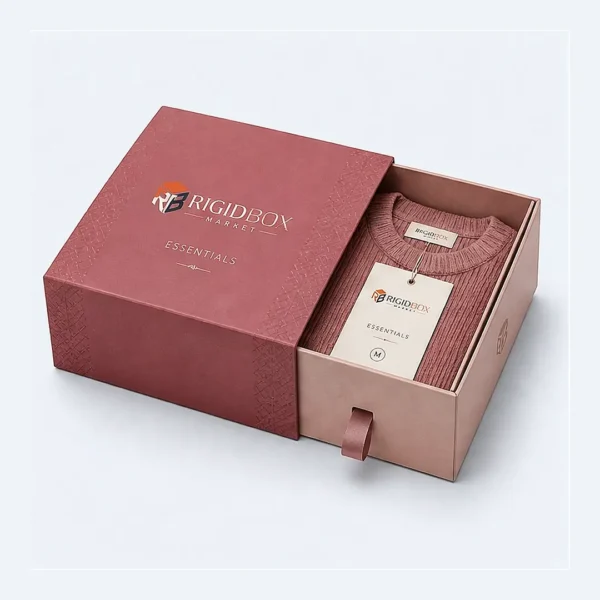
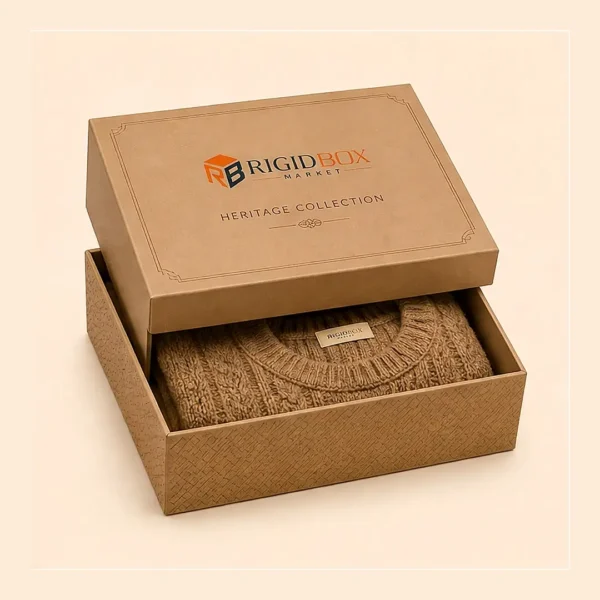
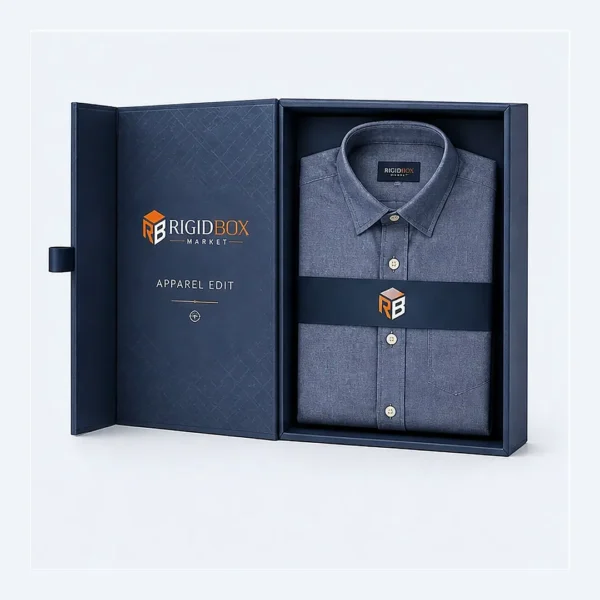
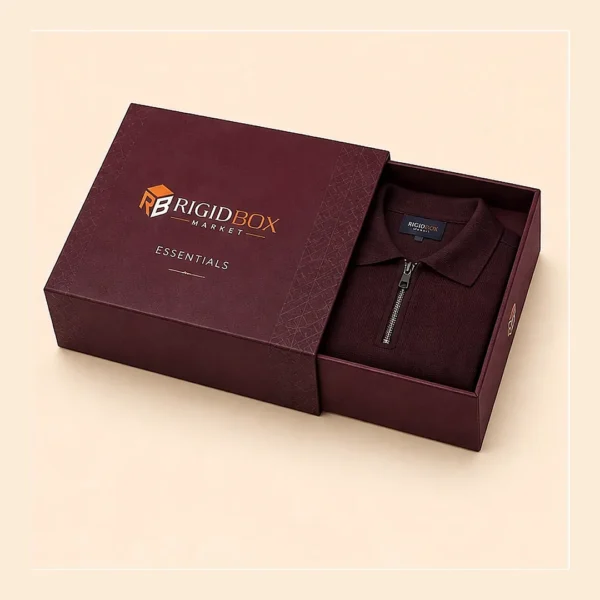
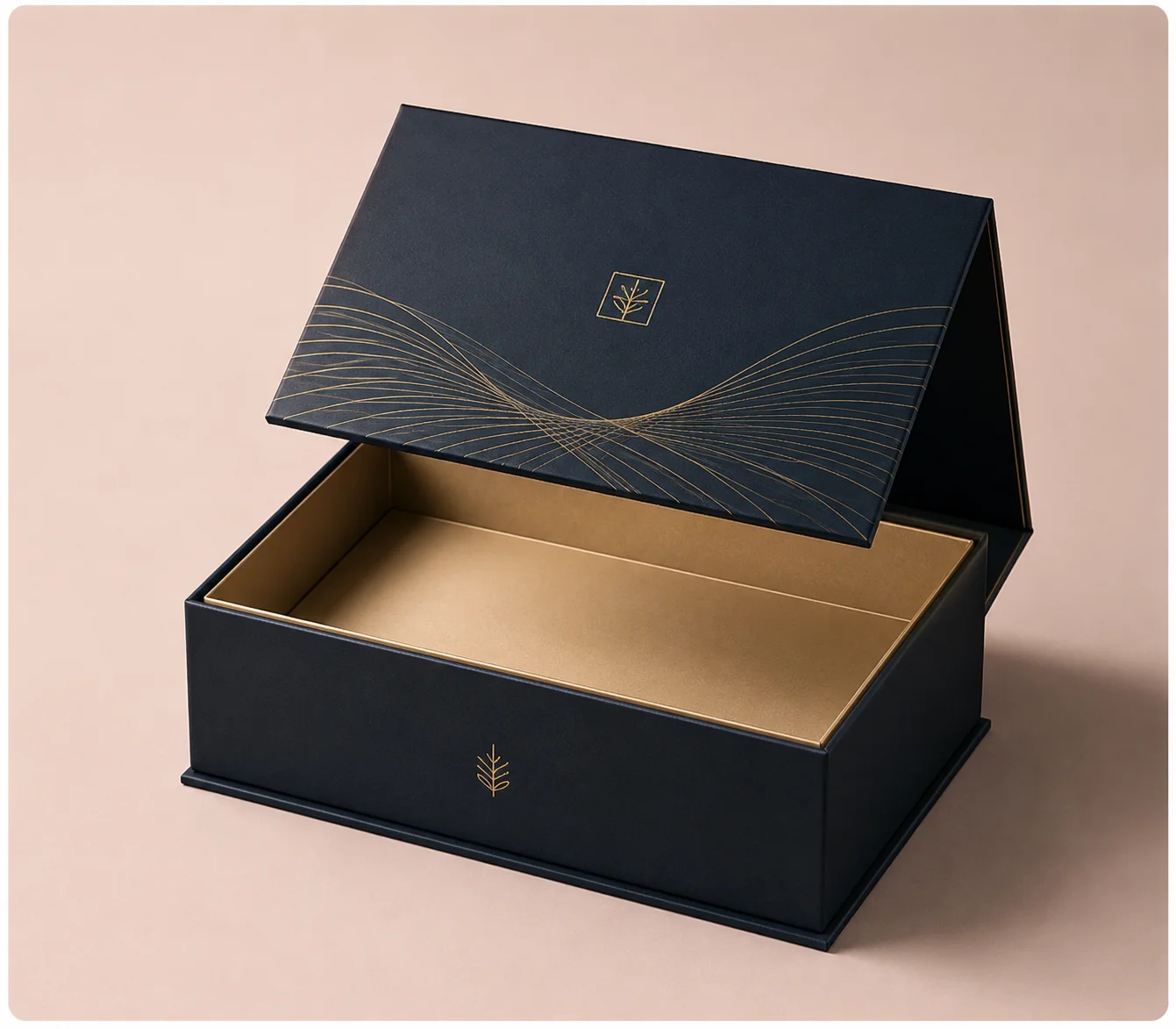
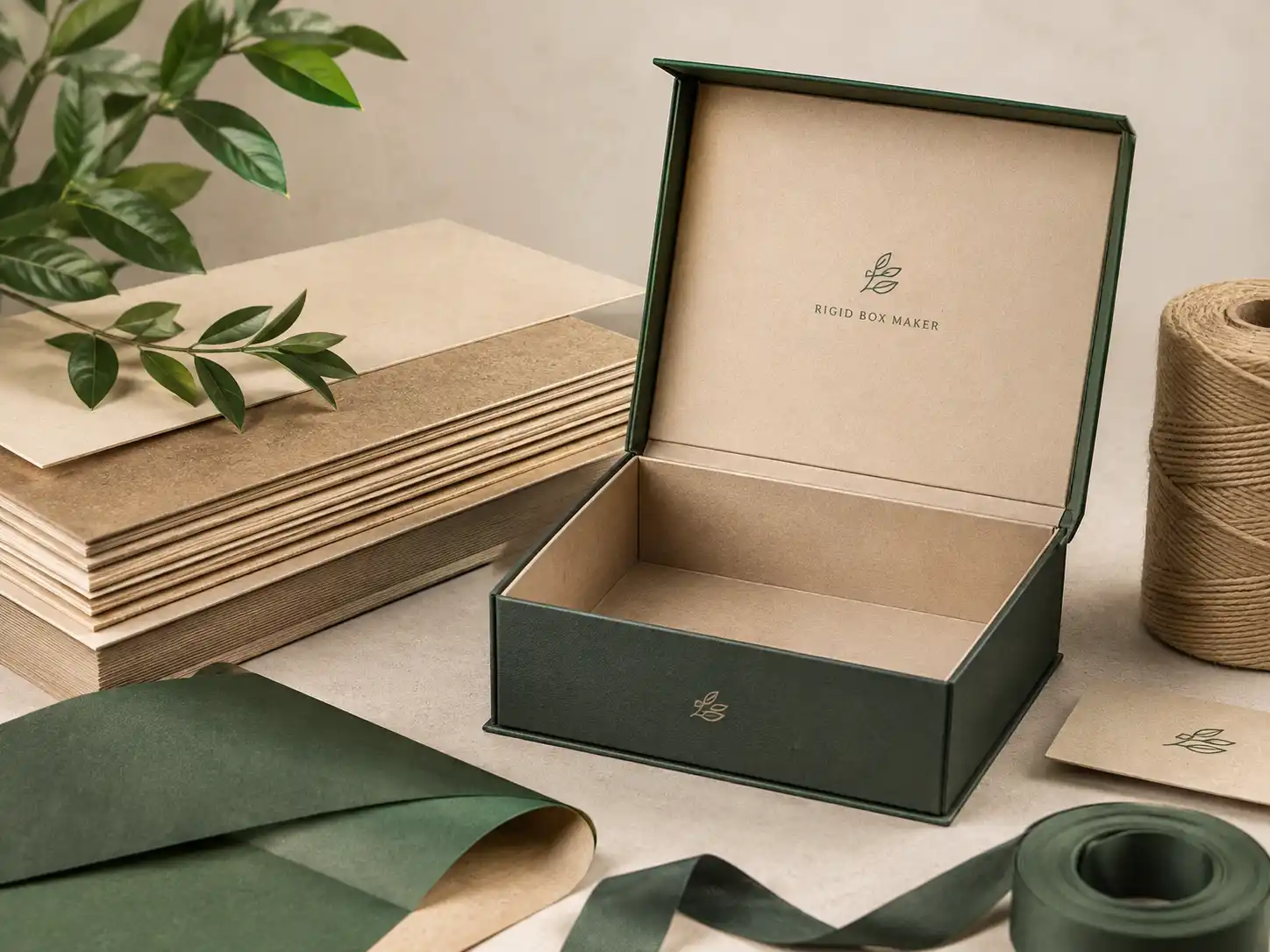
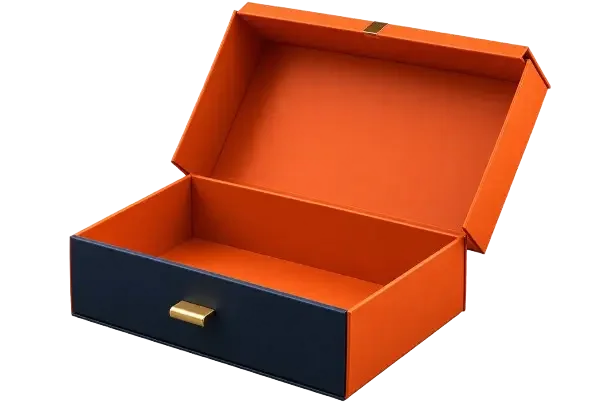
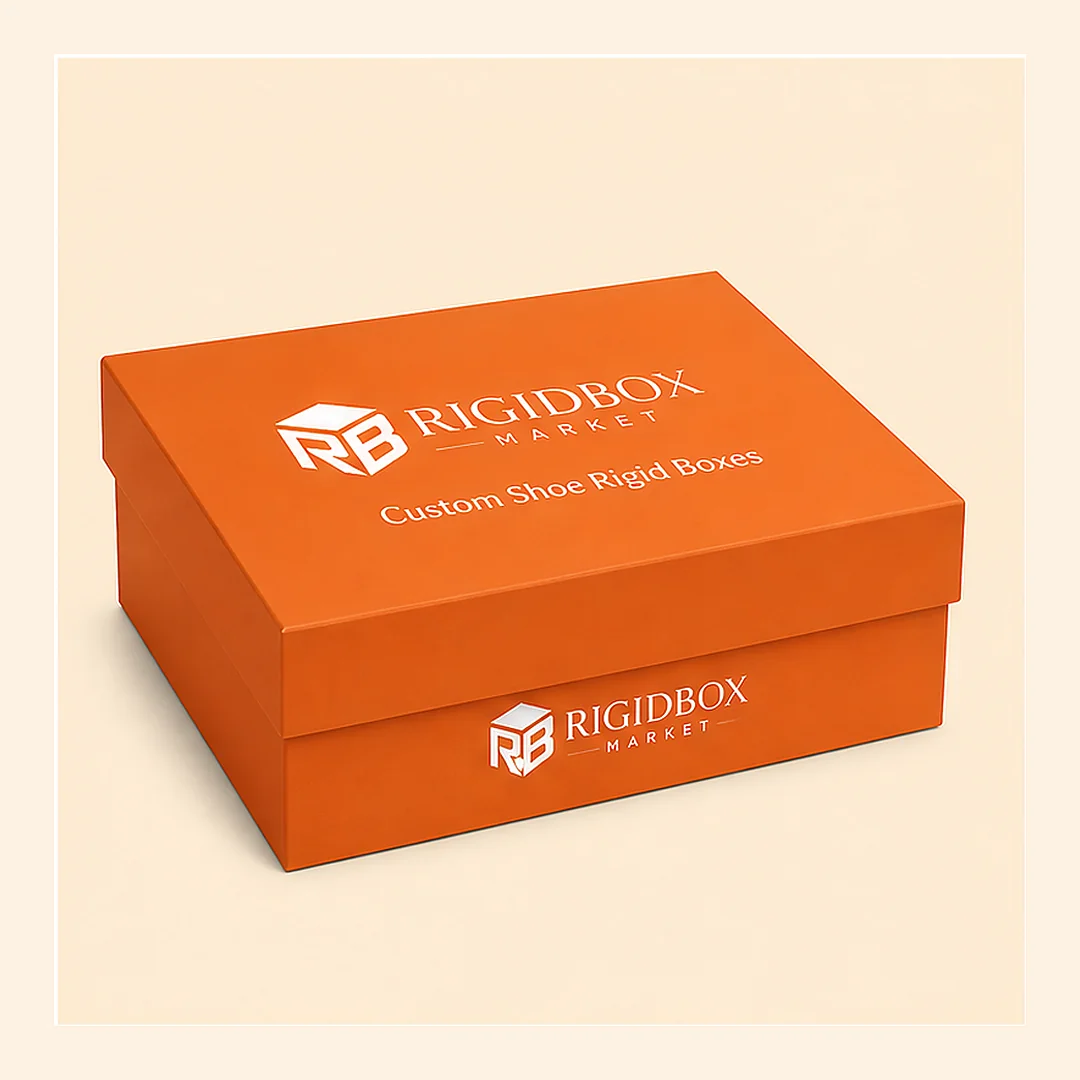
Apparel rigid boxes exist to give folded clothing a presentation that a poly mailer or a standard folding carton simply can’t match — garments arrive uncreased, the box holds its shape on a shelf or in a fulfillment center, and the act of opening it feels closer to a boutique retail experience than a routine delivery, which matters increasingly as more clothing brands sell primarily online rather than through physical stores. For a customer who never sets foot in a physical shop, the box’s opening moment is often the closest thing to a fitting room reveal that the brand relationship offers.
Material & Construction
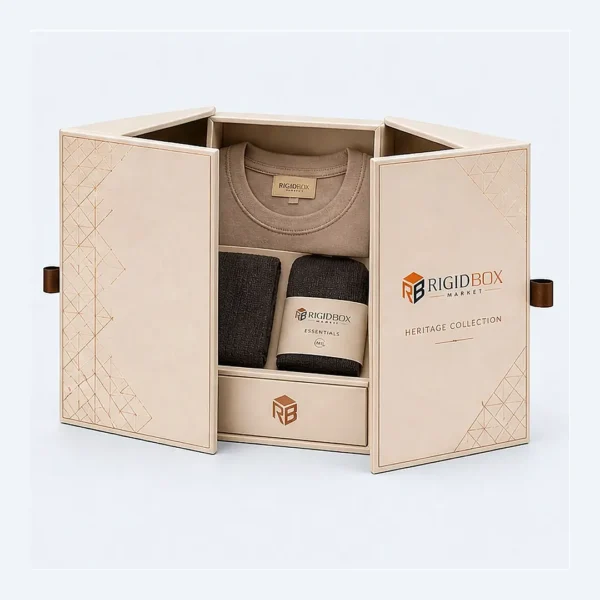
The shell is built from rigid chipboard sized to the folded garment’s footprint, generally wider and shallower than many other rigid formats, since clothing needs surface area more than depth to stay properly folded without creasing at unwanted points. Interior tissue paper, a printed liner sheet, or a simple paperboard platform is typically used to hold the garment’s fold in place, and for heavier fabrics or multiple layered pieces, a low interior divider can keep separate garments from shifting against each other. Box depth is worth getting right specifically for this category, since too shallow a box forces a tighter fold that creates visible crease lines, while too deep a box leaves room for the garment to shift and refold itself awkwardly during transit. Fabric weight plays into this calculation too, since a heavier knit holds a fold more stubbornly than a lightweight cotton, which can shift more easily inside a box that isn’t quite snug enough.
Customization Options
Box footprint and depth can be built around a specific garment type, from a compact box for a folded t-shirt to a larger format for bulkier knitwear or layered outfits. Standard exterior finishing includes foil stamping, embossing, debossing, spot UV, and matte, gloss, or soft touch lamination, and apparel brands frequently pair a soft touch exterior with foil detailing to reinforce a premium retail feel that echoes the fabric quality inside. Tissue paper color, printed interior liner graphics, and a ribbon or belly band closure are common additions that reinforce the boutique presentation this format is generally chosen for, and a printed care instruction card tucked beneath the garment is a practical addition that doubles as another small branding touchpoint.
- Footprint and depth built around specific garment types
- Interior tissue, printed liner sheets, or low dividers for multi-piece sets
- Foil stamping, embossing, debossing, and spot UV finishing
- Matte, gloss, or soft touch lamination
- Ribbon or belly band closures for a boutique finishing touch
Built for These Brands
Direct-to-consumer apparel brands rely on this format heavily, since it’s often the first and only physical touchpoint a customer has with the brand before wearing the product itself, which puts more weight on the unboxing than a brand with physical retail locations might otherwise place on packaging. Capsule and limited-release collections use it specifically to signal that a piece is meant to feel different from a brand’s standard, higher-volume packaging. A limited run sometimes justifies a one-time finishing upgrade, such as a foil detail not used on the brand’s core packaging, specifically to mark the release as distinct. Gift retailers selling apparel as part of a curated bundle also depend on this format to keep garments presentable when paired alongside other gift items, where a creased shirt sitting next to a well-packaged accessory would visibly undercut the overall gift’s presentation.
The Rigid Box Market Difference
Fold consistency across a full production run is what determines whether every customer receives a garment that looks freshly folded or one that shows a slightly different crease pattern from unit to unit. Rigid Box Market builds box depth and interior support to a fixed specification for each garment type, holding that fold consistent across full wholesale orders regardless of how many units are being packed.
Share your garment type, folded dimensions, and order volume, and we’ll follow up with a free quote.