Introduction
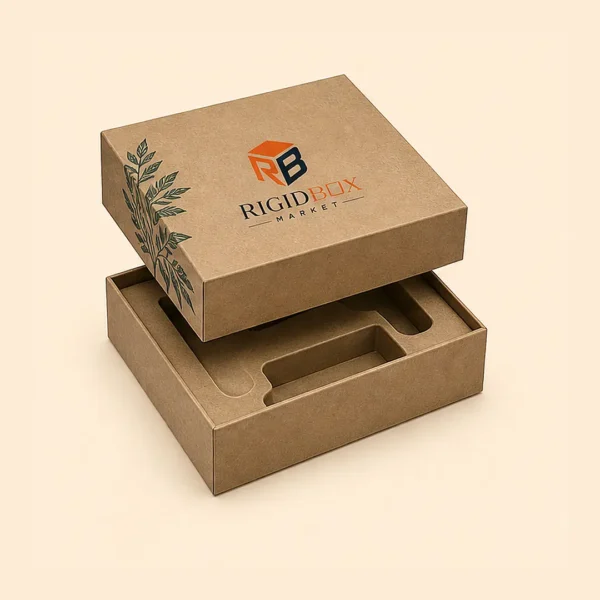
Paperboard inserts take a lighter, simpler approach to interior structure than foam — folded or die-cut paperboard used to create compartments, platforms, or dividers inside a rigid shell, without the added weight, cost, or bulk that a foam insert brings, which makes this the practical default whenever a product needs some organization but not full cushioned protection. It’s also generally the more sustainable option between the two, since a fully paperboard construction is easier to recycle as a single material stream than a box combining rigid board with foam.
Structure Without the Bulk
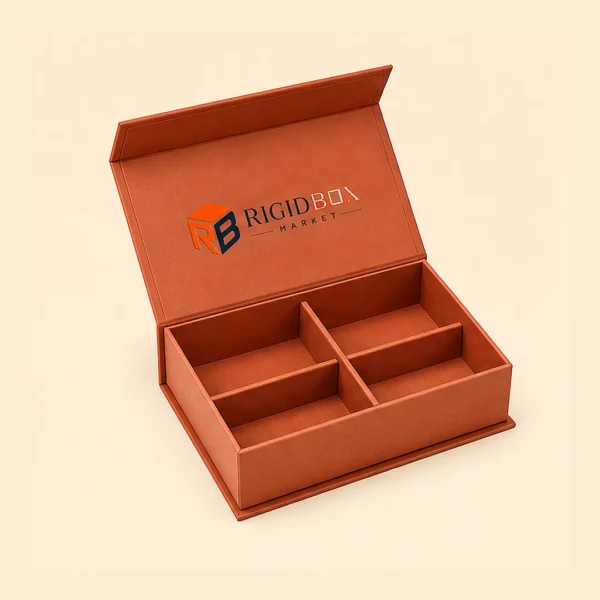
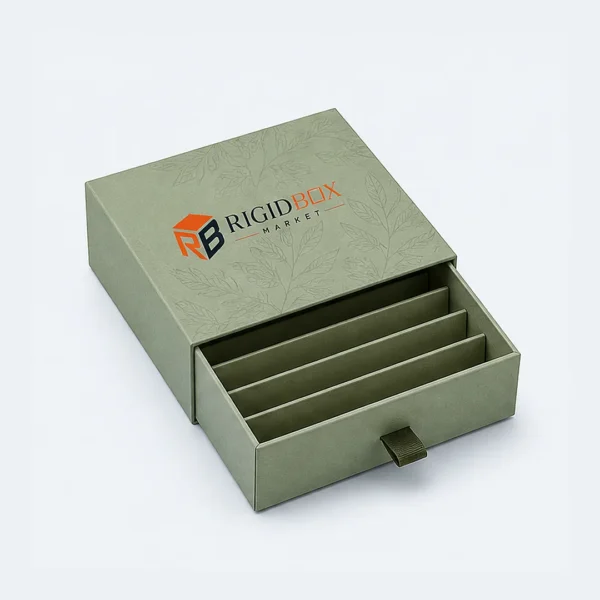
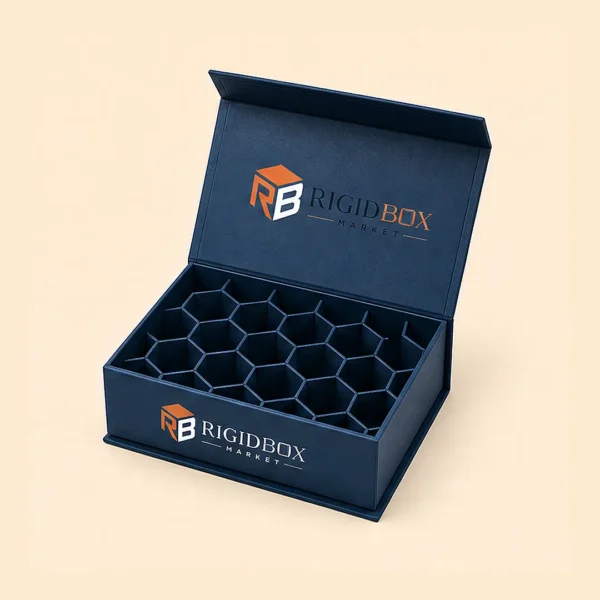
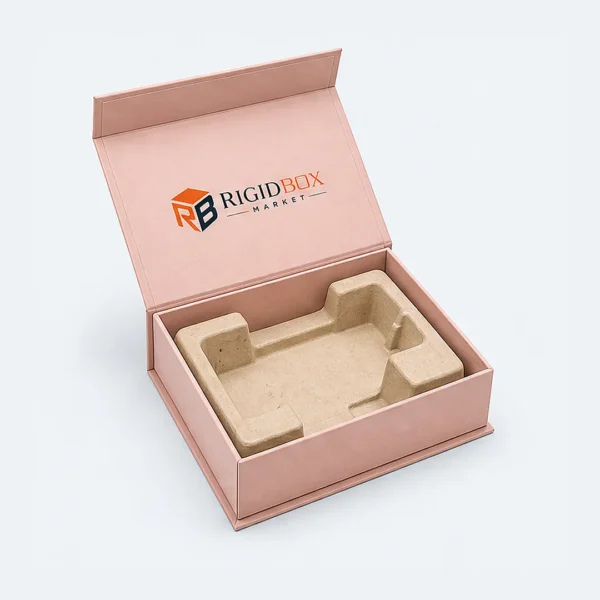
The insert is typically die-cut from the same general paperboard stock used in other parts of rigid box construction, then folded into dividers, platforms, or simple compartment walls that slot into the base of the shell. Because paperboard folds rather than being carved or molded, this insert type is generally faster and less expensive to produce than a custom foam cavity, which makes it a practical choice for brands that need interior organization at scale without the tooling investment foam cutting requires. Structural strength comes from the fold pattern itself — a well-designed paperboard insert with properly braced fold lines can hold surprising weight and shape for something built from a relatively thin material, though it generally offers less shock absorption than foam for genuinely fragile items. Reinforced corner folds, similar in principle to the bracing used in corrugated packaging, are a common way to add extra rigidity to a paperboard platform without switching to a heavier material altogether.
Customization Options
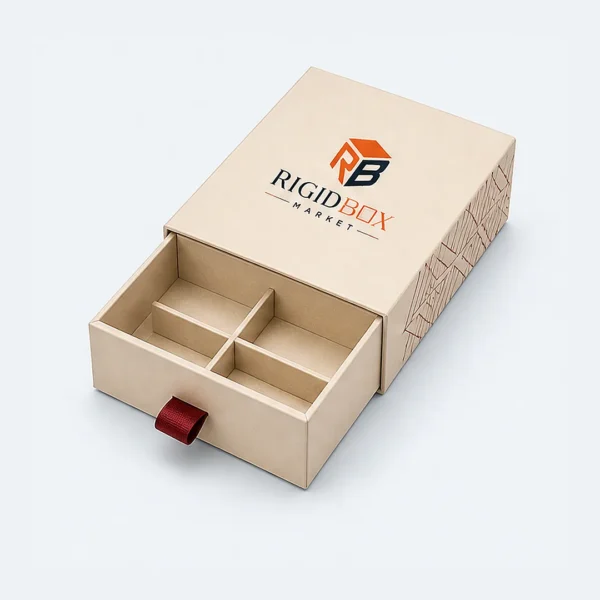
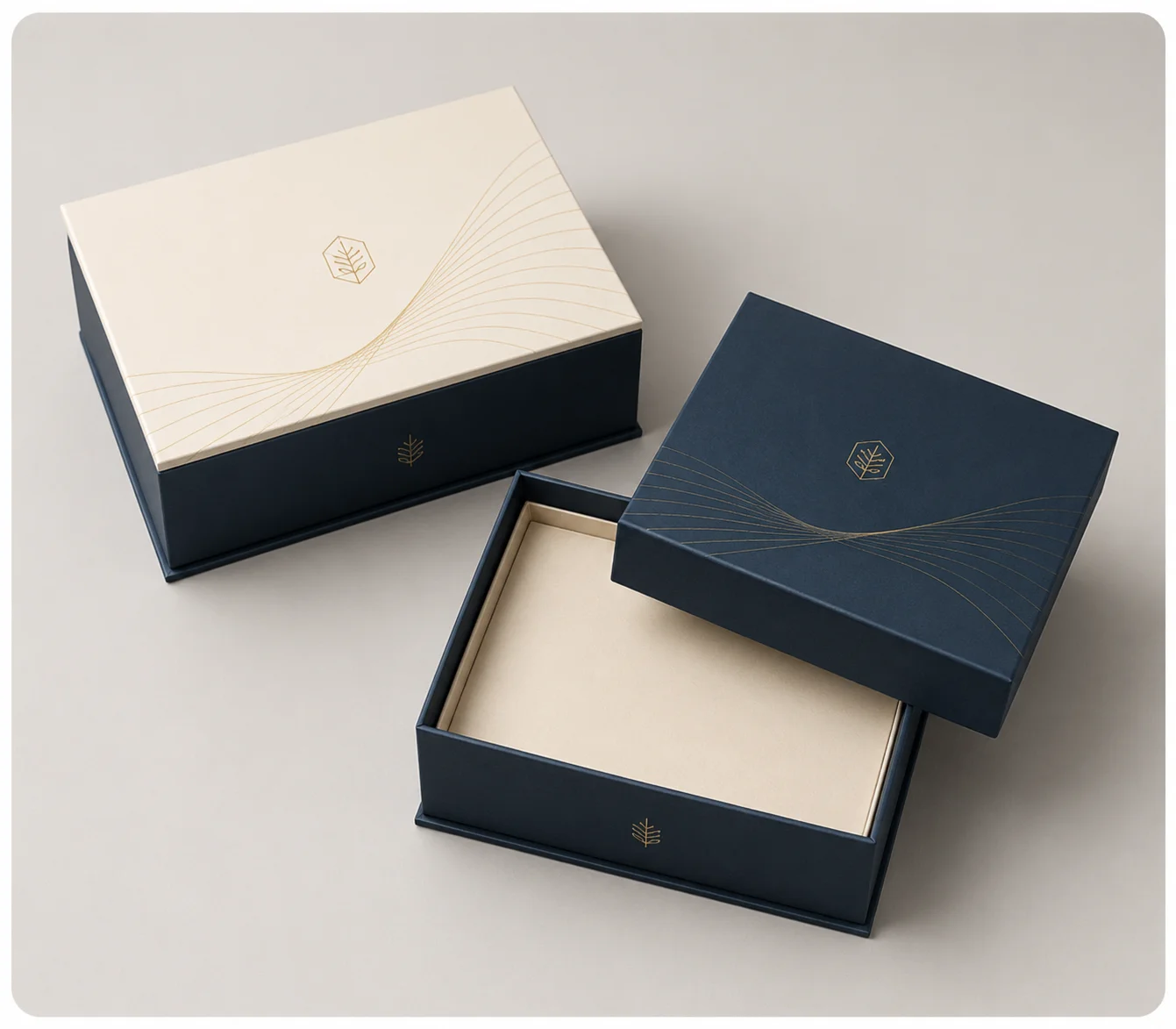
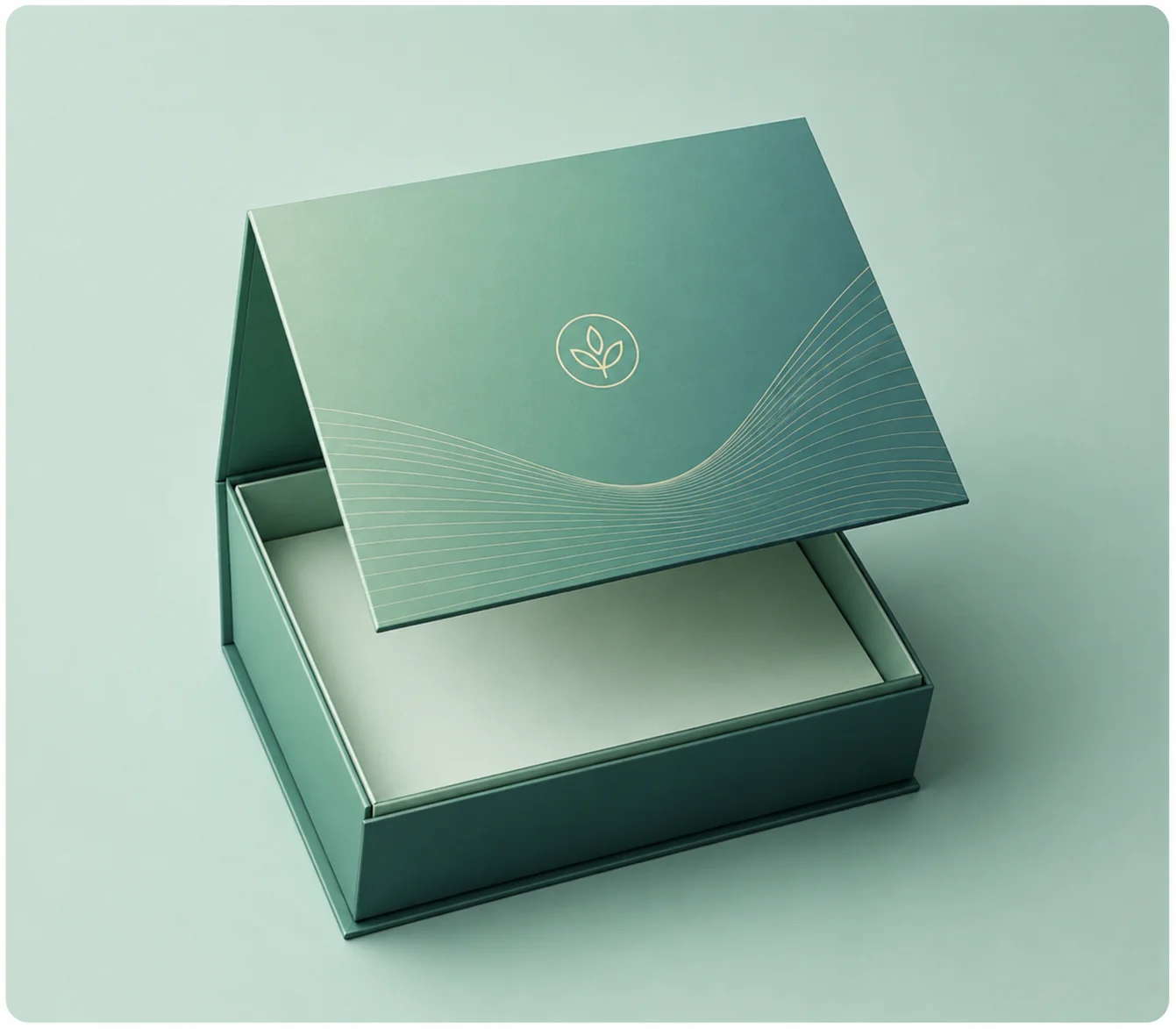
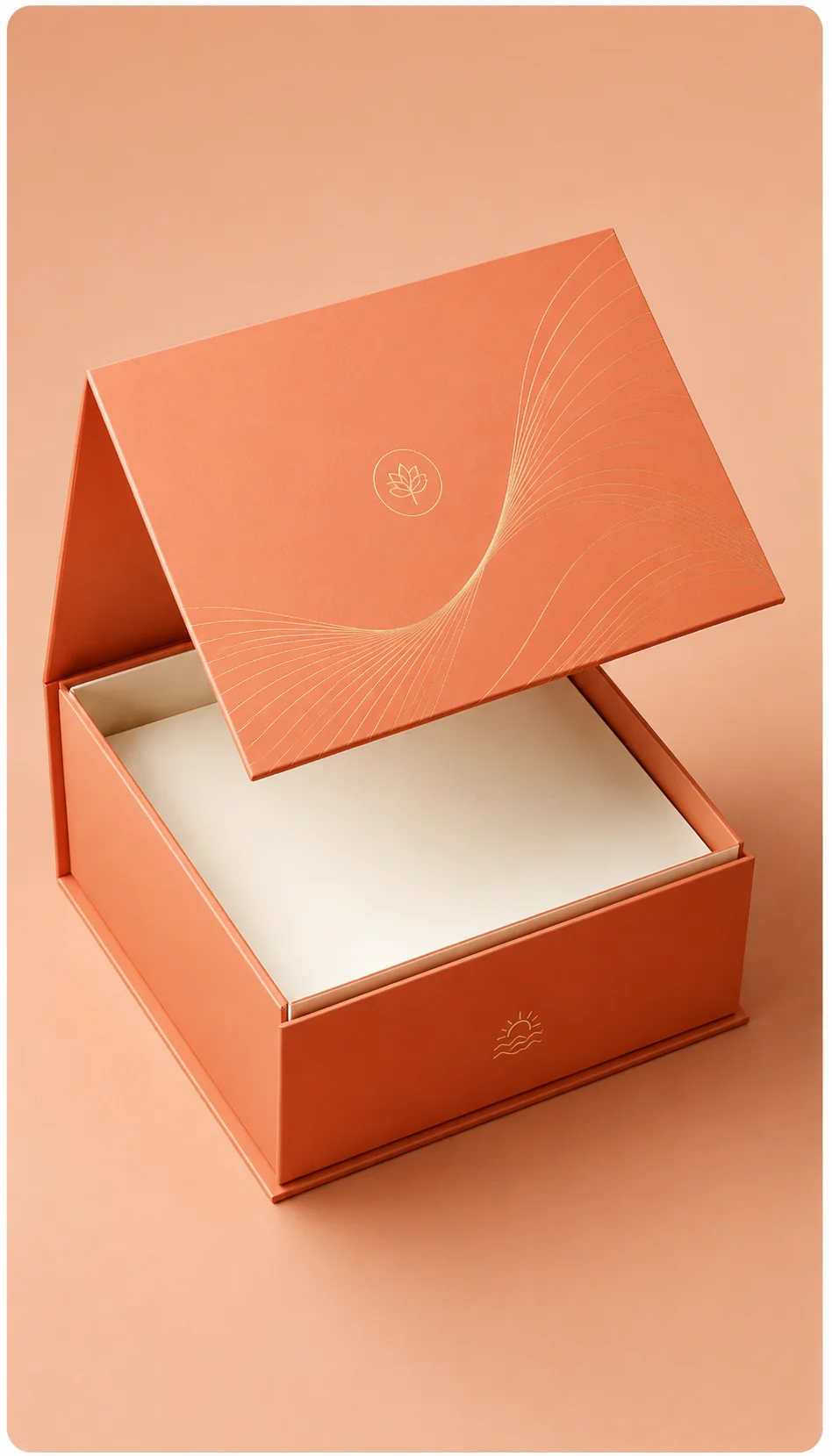
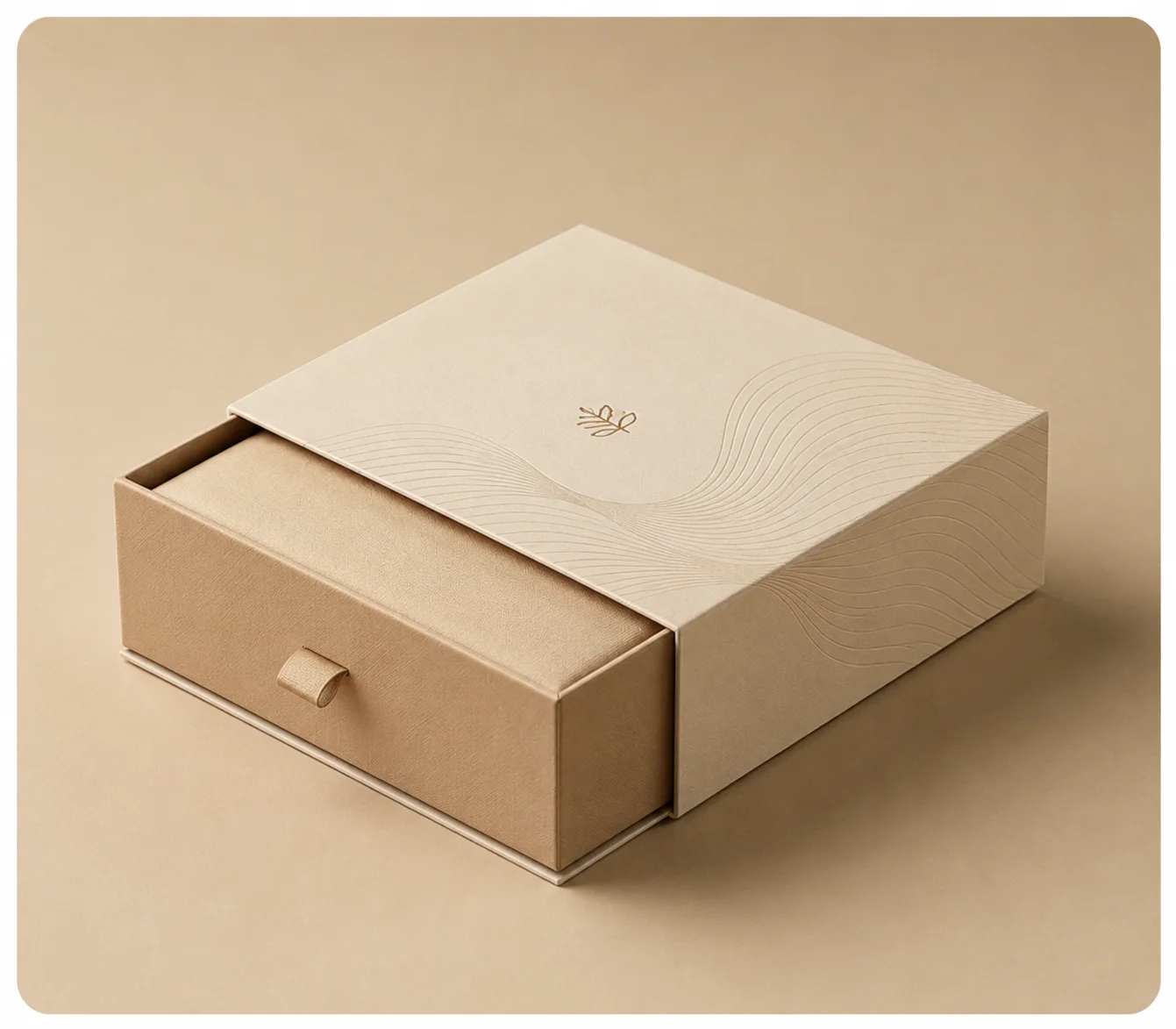
Compartment count, divider height, and platform shape can all be built around a specific product mix, from a simple single platform to a multi-level tray with several distinct sections. Divider thickness can also be scaled to the product weight, using a slightly heavier fold for compartments holding denser items even within an otherwise lightweight insert. Standard exterior shell finishing includes foil stamping, embossing, debossing, spot UV, and matte, gloss, or soft touch lamination, and the insert itself can be left plain, printed to match the shell’s exterior branding, or produced in a contrasting color for visual definition once the lid is opened. Perforated tear-away sections are another option some brands use, letting part of the insert double as a reusable card or tag once the product has been removed.
- Die-cut, folded compartments, platforms, and dividers
- Lower cost and faster production than custom foam cutting
- Plain, printed, or contrasting-color insert options
- Foil stamping, embossing, debossing, and spot UV shell finishing
- Matte, gloss, or soft touch lamination on the exterior shell
Ideal Use Cases
Retail and gift brands use paperboard inserts for products that need organization but not heavy cushioning — multi-item sets, food products in individual compartments, or accessories that benefit from a defined platform rather than a loose interior. Food and confectionery brands rely on this insert type especially often, since paperboard is naturally food-safe and well suited to dividing pieces without introducing foam into direct or near-direct food contact. Gift and stationery brands also favor paperboard inserts for a similar reason, valuing the clean, consistent material story across the entire box rather than mixing rigid board with a separate foam component. Brands scaling up production volume also favor paperboard inserts for the cost efficiency, since the lighter material and simpler tooling keep per-unit costs lower than an equivalent foam-based structure, which matters most for brands shipping high volumes where even small per-unit savings compound meaningfully across a full order.
Why Rigid Box Market
Fold consistency is what determines whether a paperboard insert holds its structural integrity across an entire production run or starts to sag and lose shape after only moderate handling. Rigid Box Market builds fold lines and compartment dimensions to a tight, repeatable specification across full production runs, so the structural strength approved on a sample carries through the entire order.
Share your product mix, compartment needs, and order volume, and we’ll follow up with a free quote.