Overview
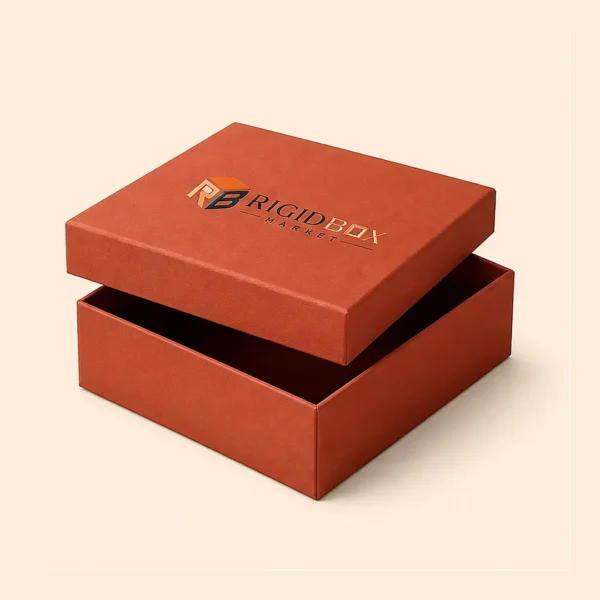
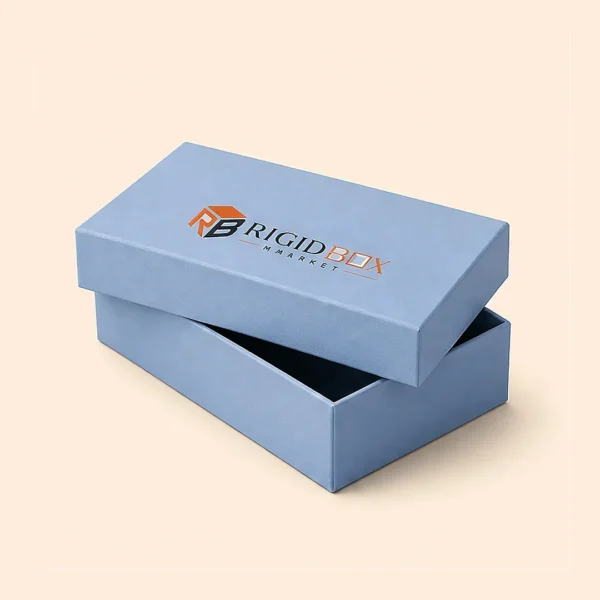
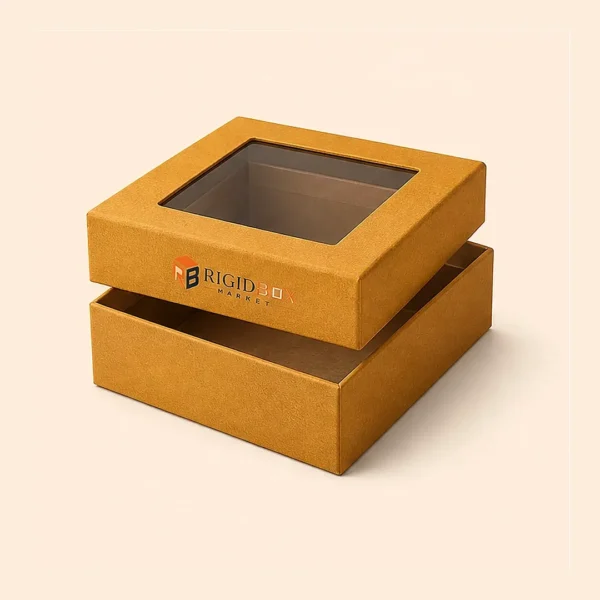
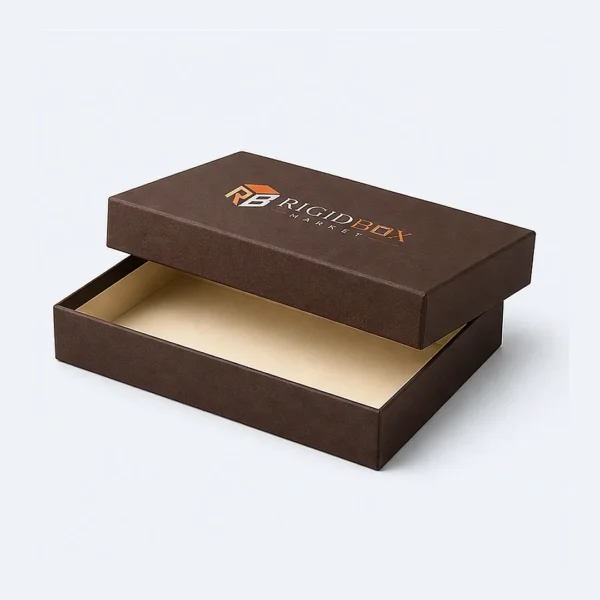
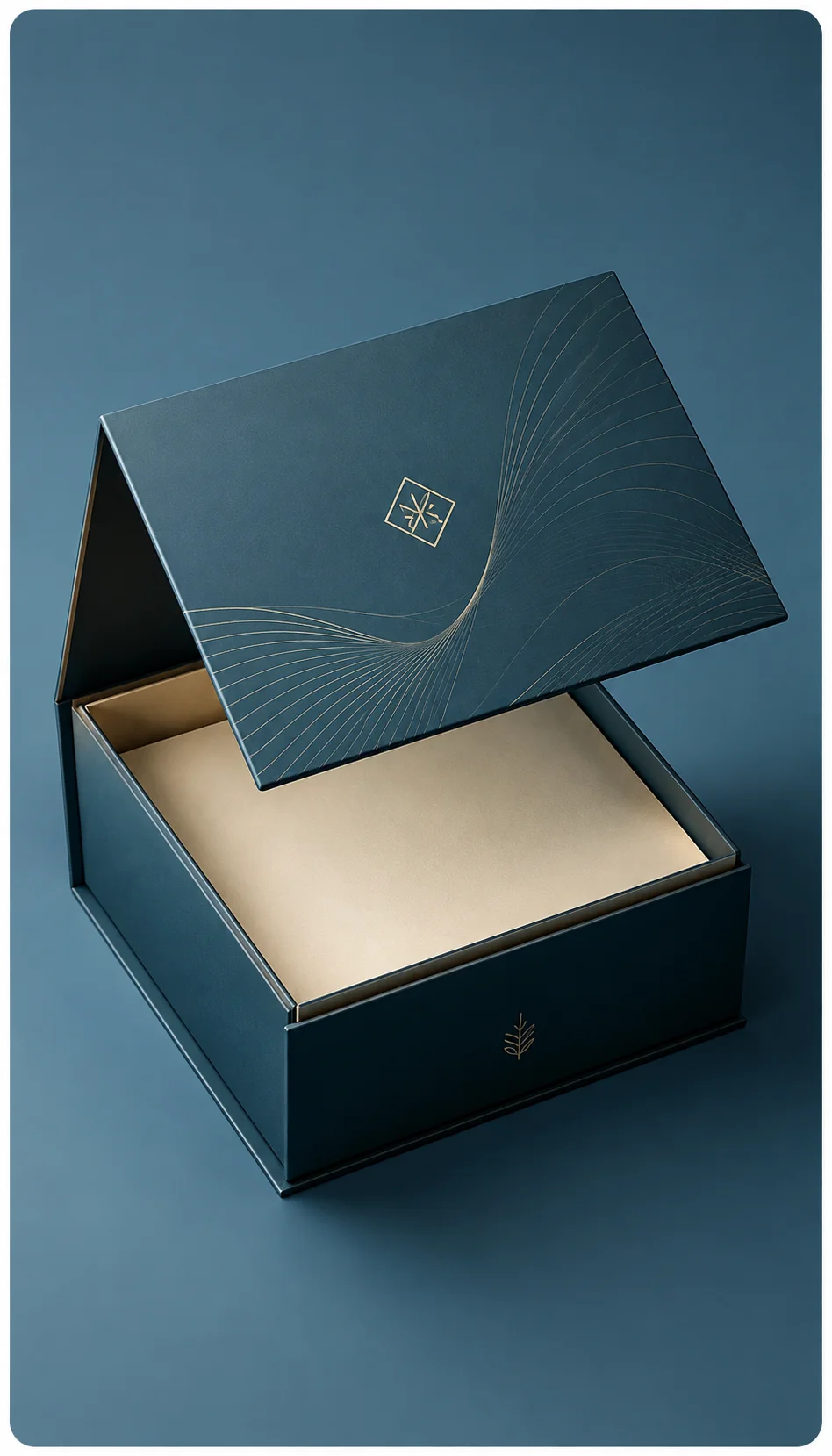
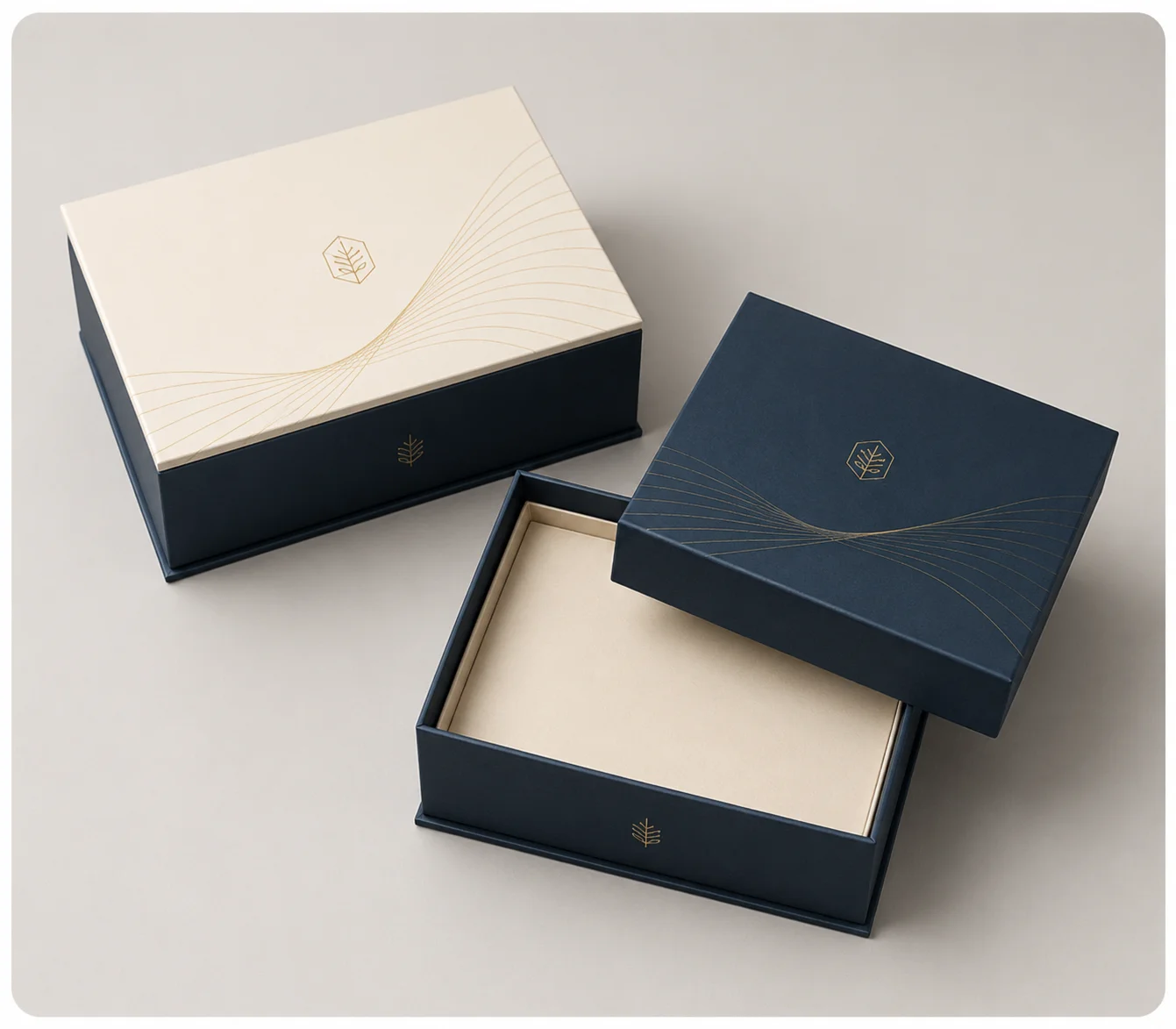
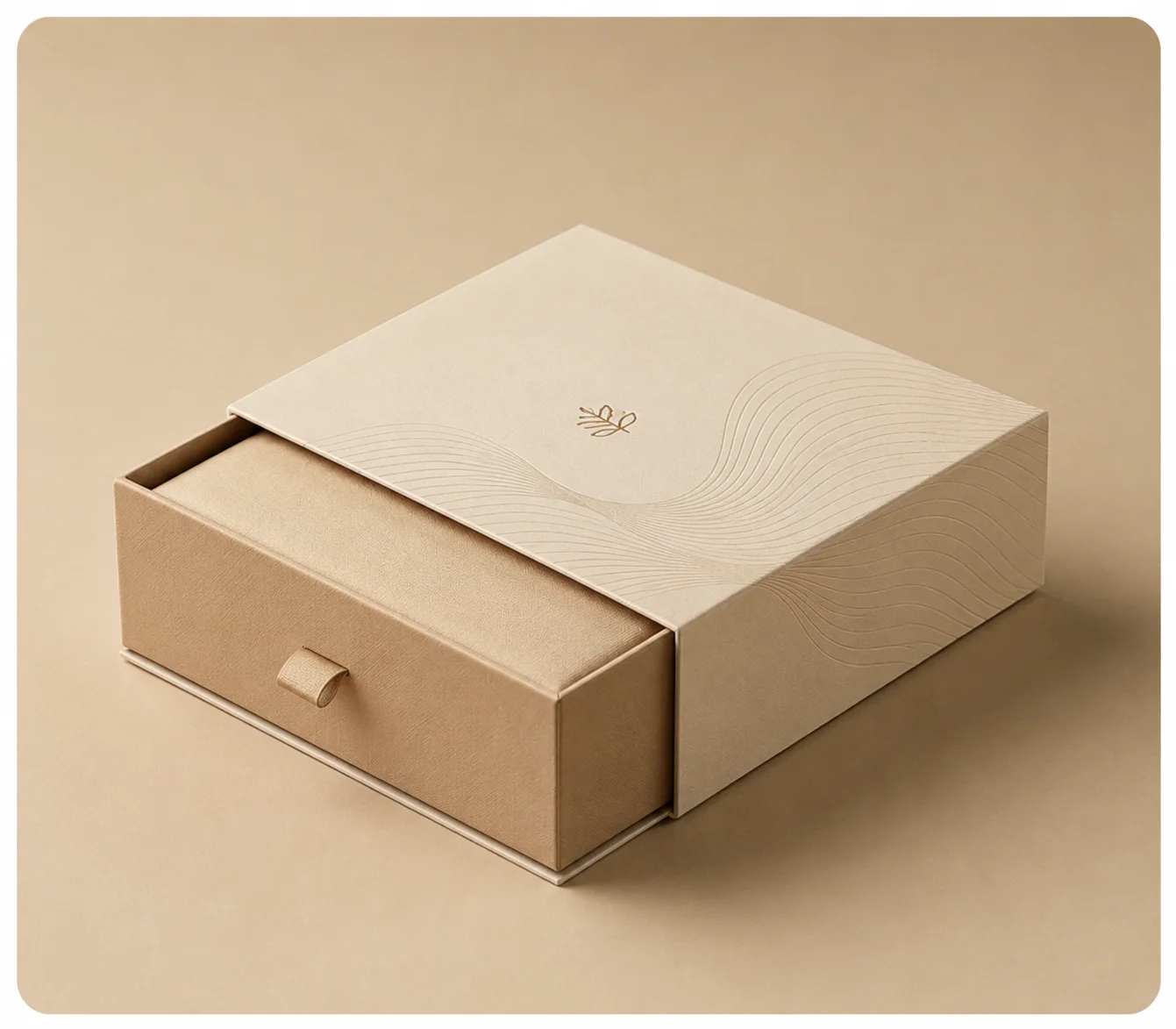
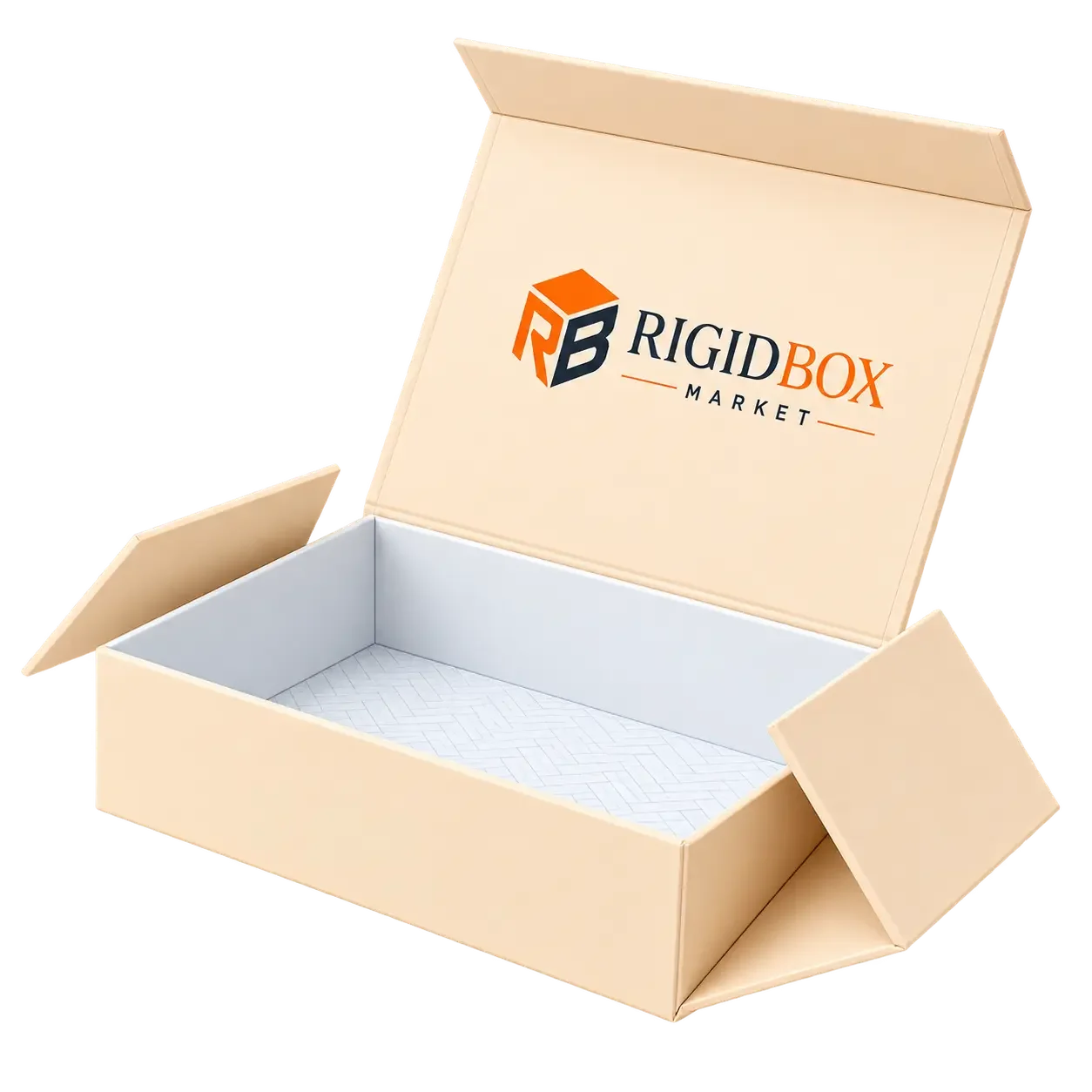
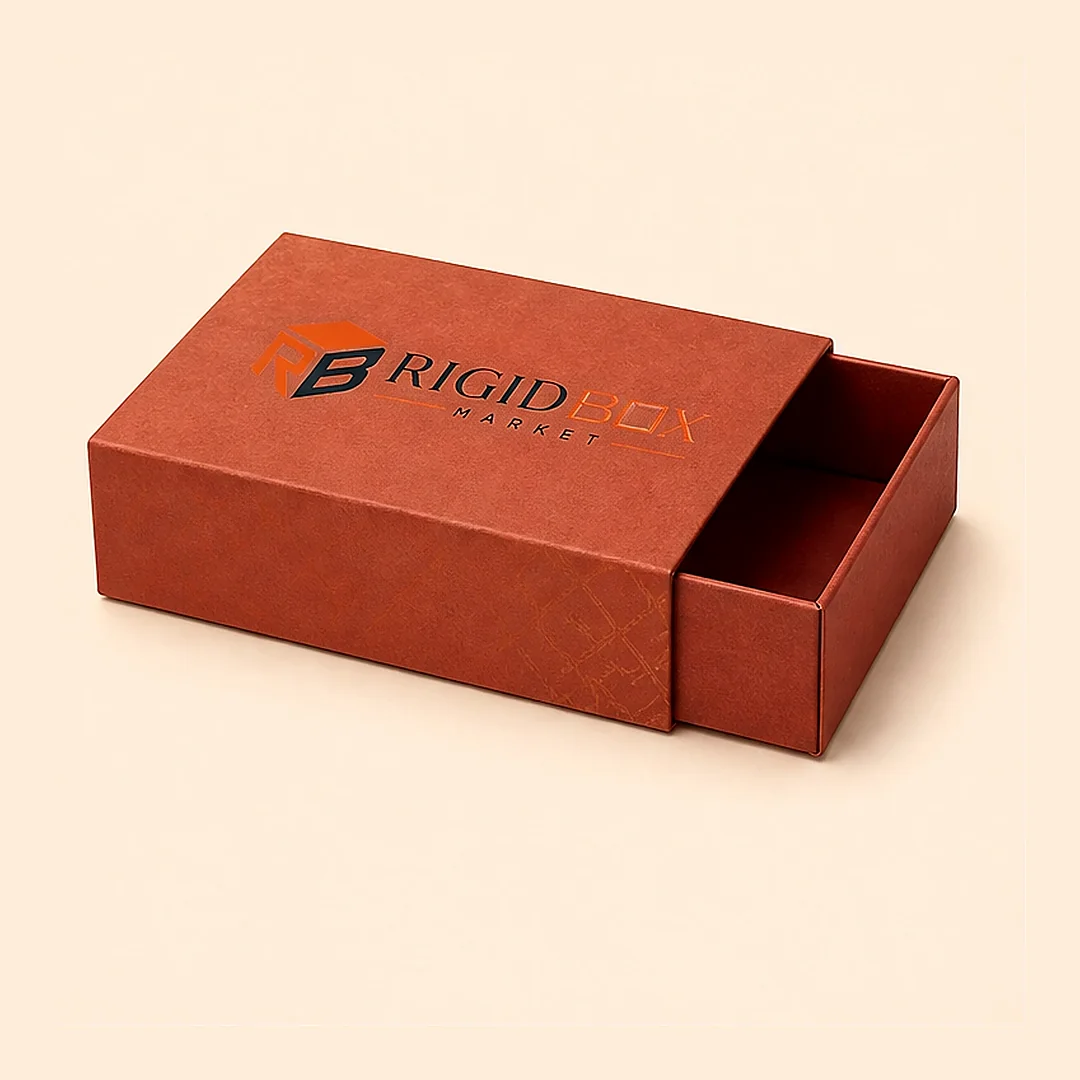
The two piece rigid box is the format most people picture when they think of premium packaging: a separate lid that lifts straight up and off a matching base, no hinge, no magnet, no moving parts. That simplicity is the point. It’s a construction method that’s been used for decades because it works — it’s stable, it’s inexpensive to produce relative to more mechanically complex formats, and it gives a product a clean, structured presentation without asking the packaging to do anything clever.
Material Strength & Build Quality
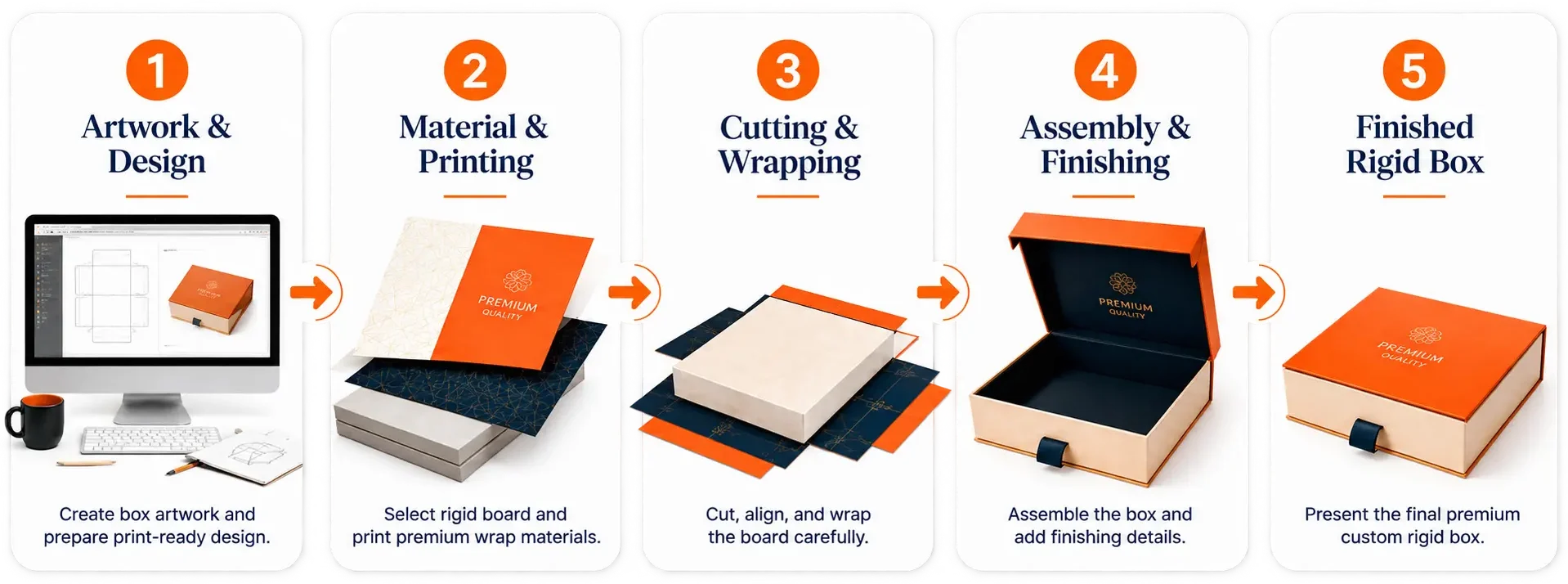
Both the lid and base are built from rigid chipboard, wrapped separately in printed paper or specialty stock, then assembled so the lid’s inner wall telescopes down over — or, depending on the depth ratio, tucks just inside — the base’s outer wall. Wall thickness typically runs in the same 1.5mm to 3mm range as other rigid formats, chosen based on how much weight the box needs to support without warping. Because the lid and base are independent pieces, the box holds its shape under stacking pressure in a way that a single-piece folding carton generally can’t, which is one of the main reasons it remains a default choice for apparel and gift packaging that gets warehoused before it ships. Corner and edge wrapping is also done as a separate step on each piece, which is where a lot of the visible quality difference between a well-made two piece box and a cheaper one shows up — tight, uniform corners versus loose or overlapping paper at the seams.
Customization Options
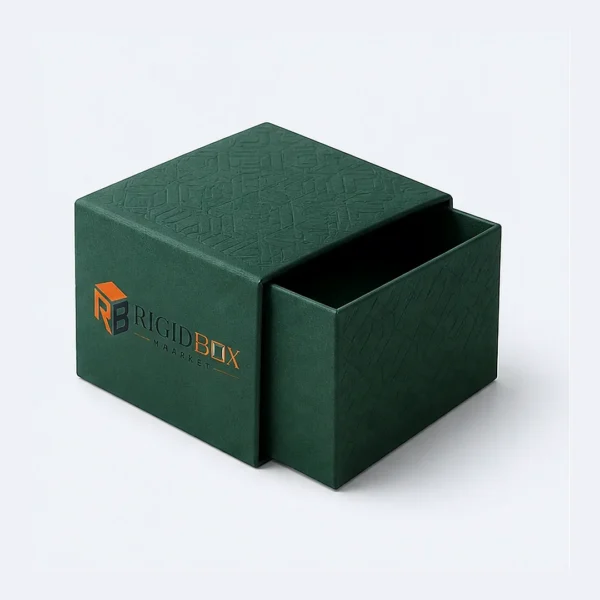
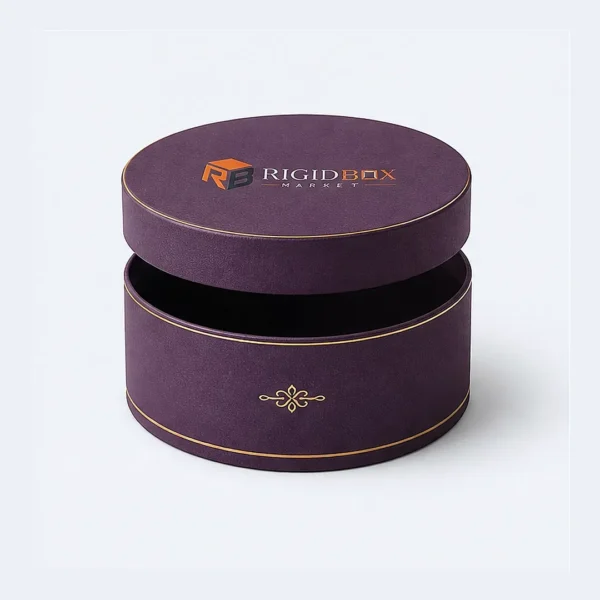
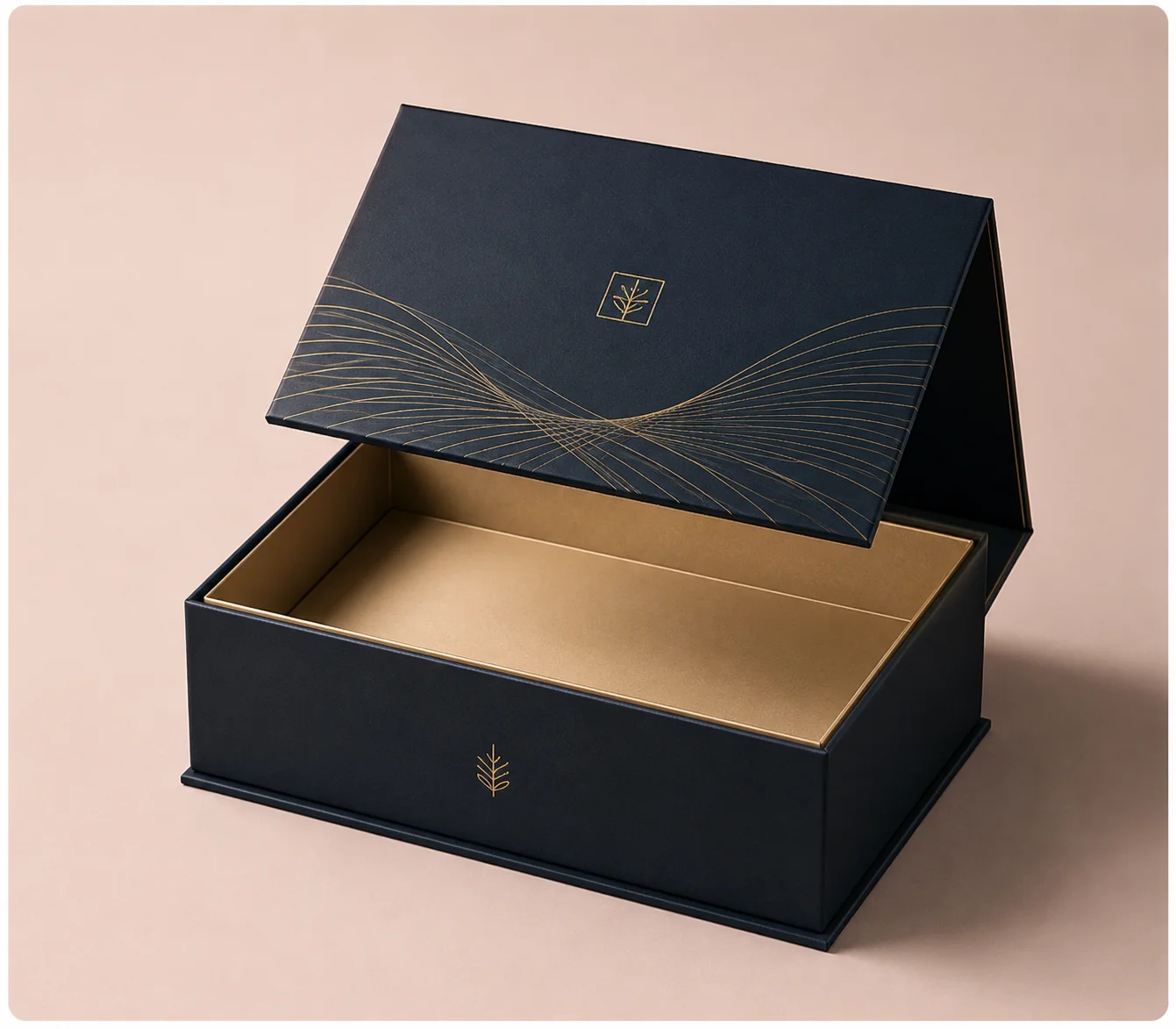
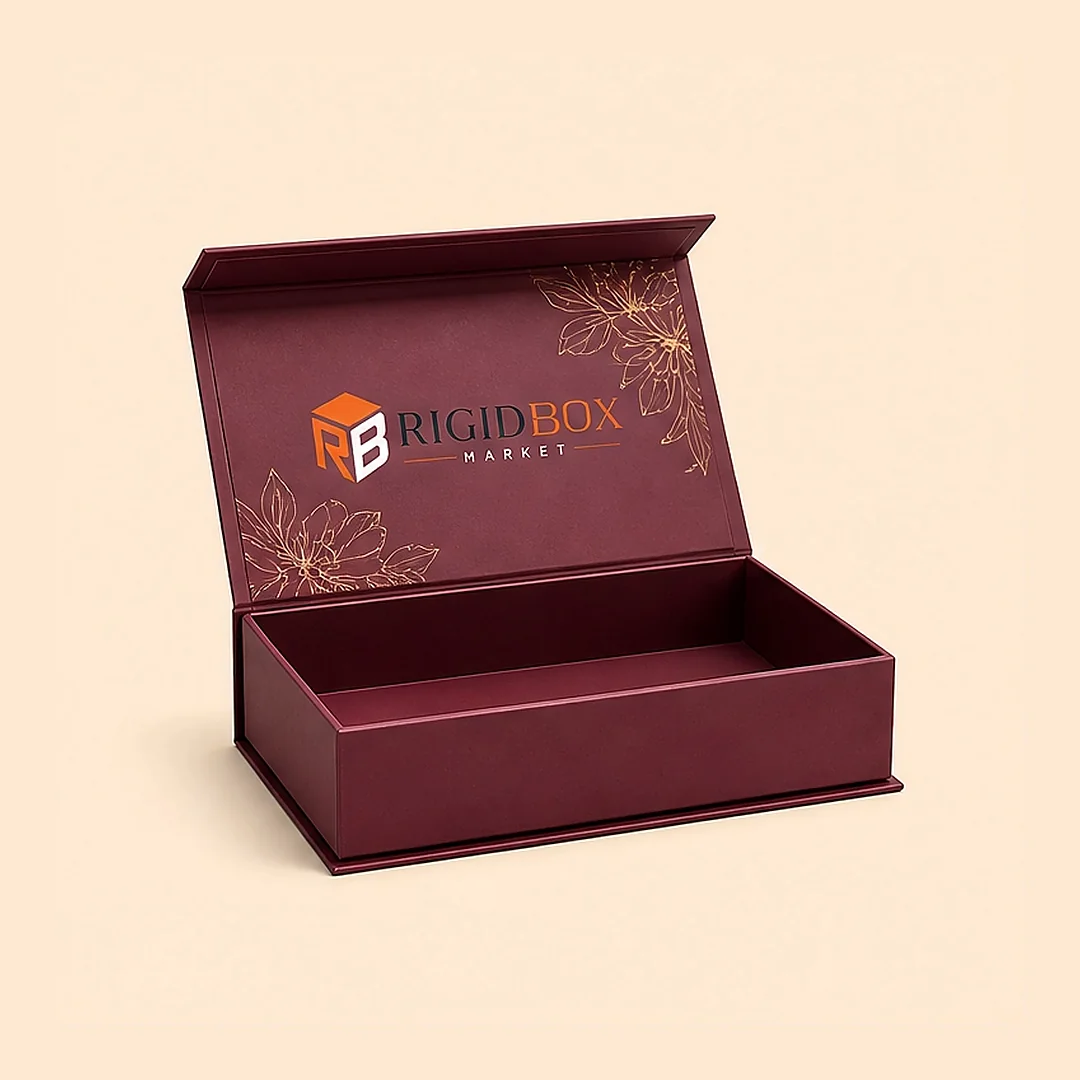
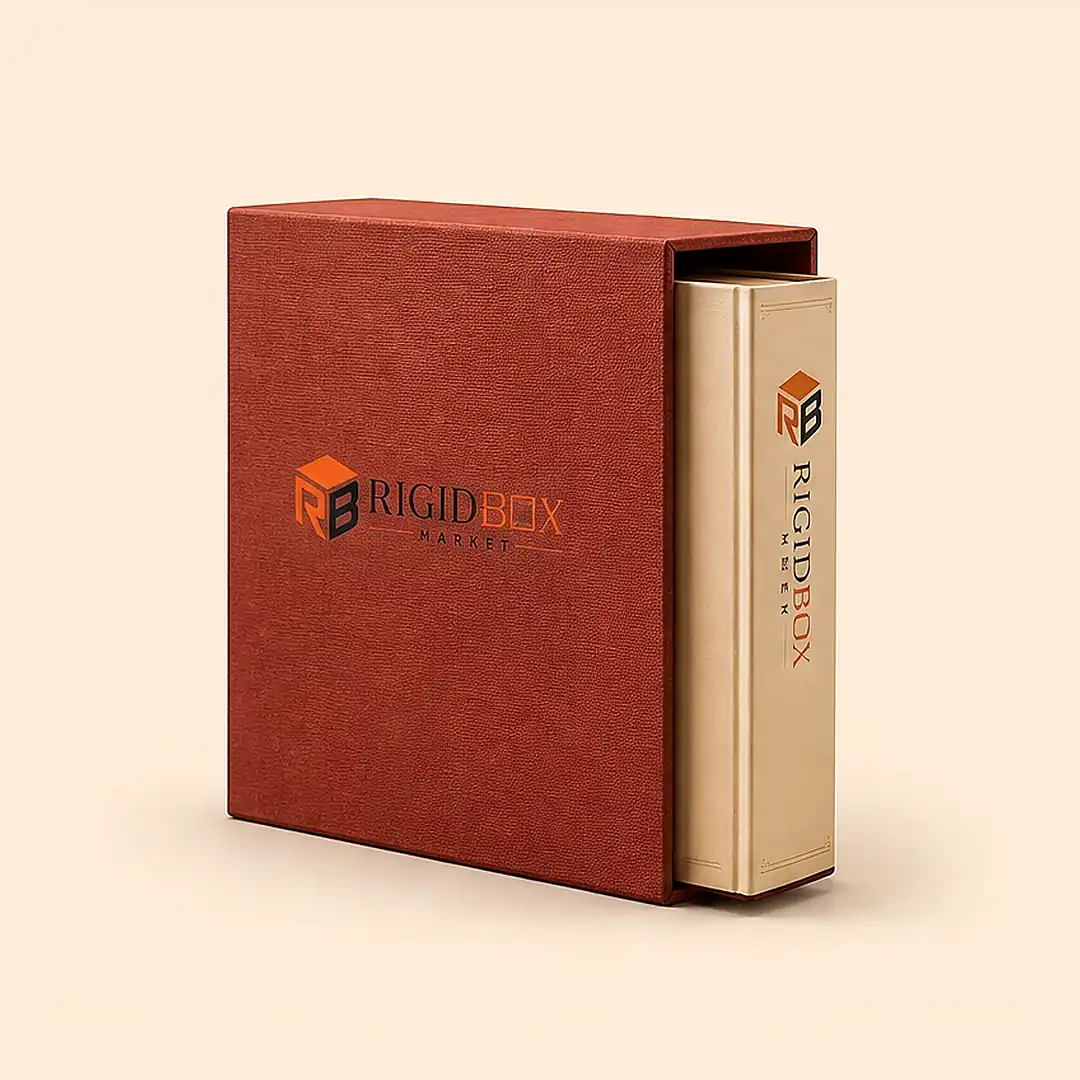
Because the lid and base are produced and finished separately, brands get a lot of freedom to treat each surface differently — a plain interior base with a fully branded, foiled lid top is a common combination. Standard customization includes full custom sizing, foil stamping, embossing and debossing, matte or gloss lamination, soft touch lamination, and spot UV detailing. Interior fit-outs range from a simple paperboard platform to a die-cut foam tray shaped to the exact product. Depth ratio between the lid and base can also be adjusted — a shallow lid over a deep base reads differently than a lid and base of equal depth, and that proportion is worth specifying rather than leaving to default. Window cutouts on the lid, ribbon ties, and printed tissue or wrap inside the base are all common add-ons for brands that want an extra layer of presentation without moving to a more mechanically complex format.
- Independent lid and base sizing and depth ratio
- Foil stamping, embossing, debossing, and spot UV finishing
- Matte, gloss, or soft touch lamination
- Foam, paperboard, or printed sleeve interior inserts
- Full custom printing across all exterior and interior surfaces
Where This Box Fits Best
Apparel brands rely on this format for folded garments and accessories where a boutique, structured presentation matters more than mechanical closure. Gift retailers use it for the same reason — it photographs well, it’s fast to pack, and the lift-off lid gives a clean reveal without requiring the customer to figure out how it opens. It’s also a practical choice for retailers and e-commerce sellers who need a packaging format that’s simple to assemble at scale in a fulfillment environment, since there’s no hinge alignment or magnet placement to get wrong during packing. Subscription brands often start with this format for the same reason before moving to a more elaborate structure once volume and budget allow for it.
Why Rigid Box Market
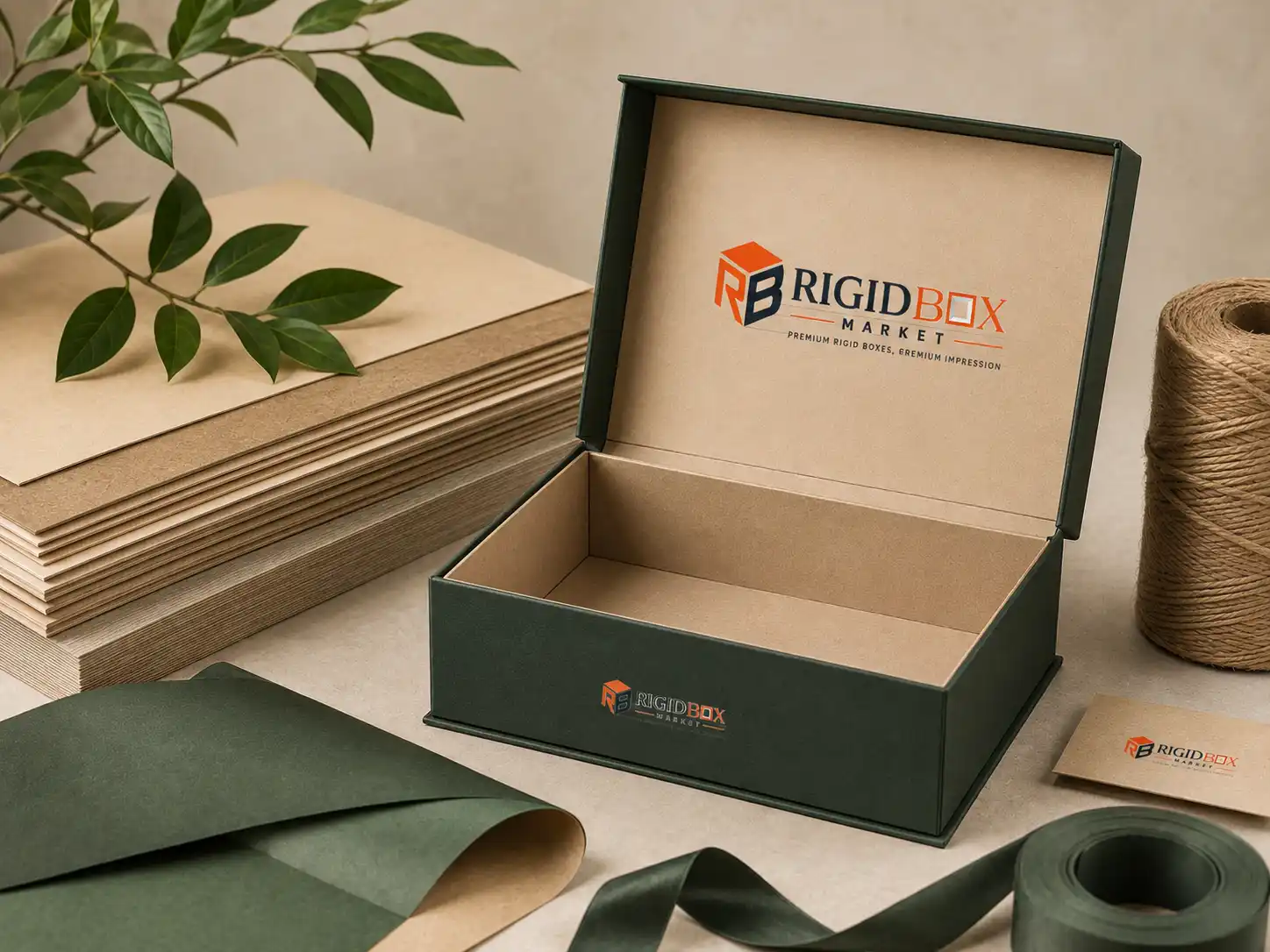
Because the two piece format is produced at real volume, tooling and depth-ratio specs stay fixed across a production run, which means a reorder six months later still fits the same interior insert without adjustment. For brands running multiple SKUs in the same box family — different sizes of the same core product, for instance — that consistency across sizes is often more valuable than any single finishing detail. Rigid Box Market builds every run against the same approved spec sheet so that consistency holds regardless of order size.
Send over your product dimensions and order volume and we’ll get a free quote back to you.