Setting the Scene
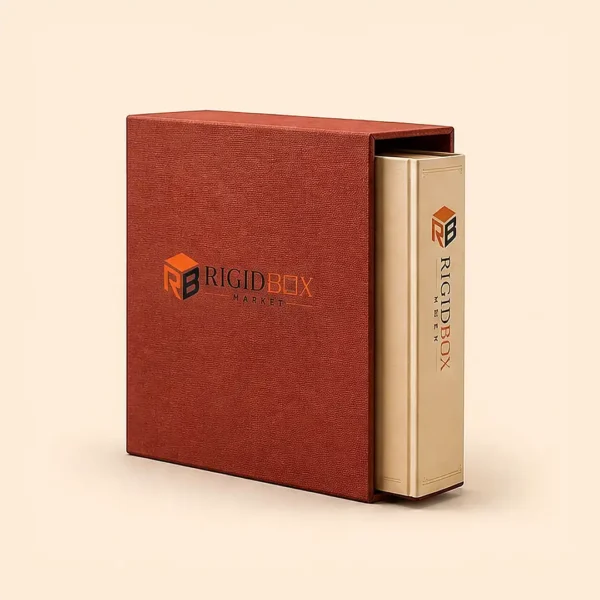
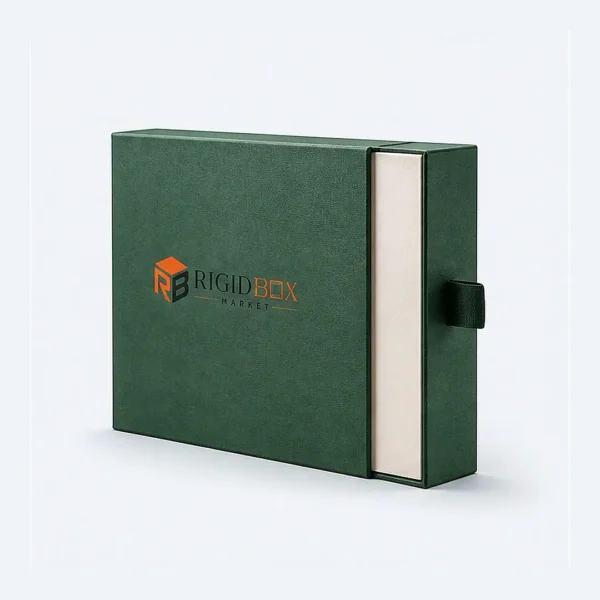
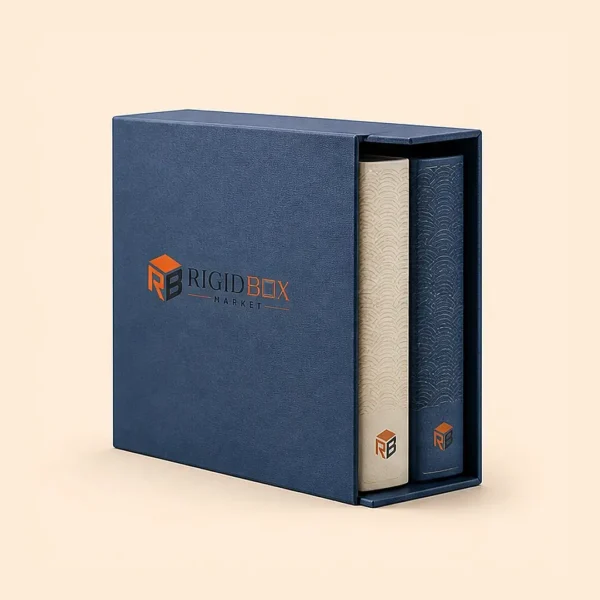
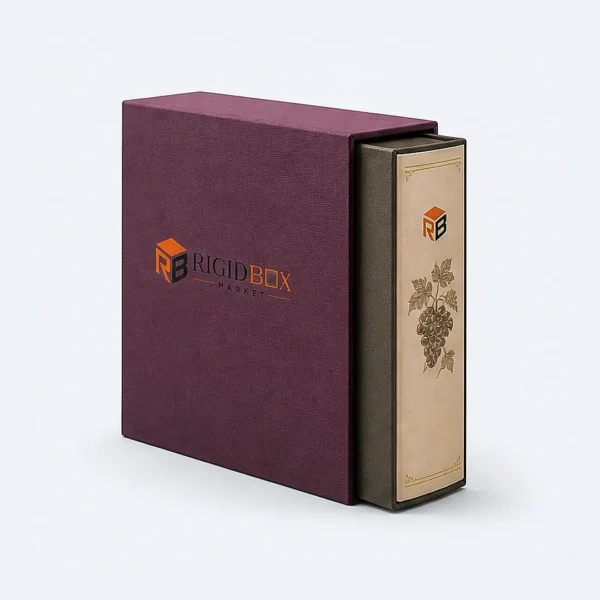
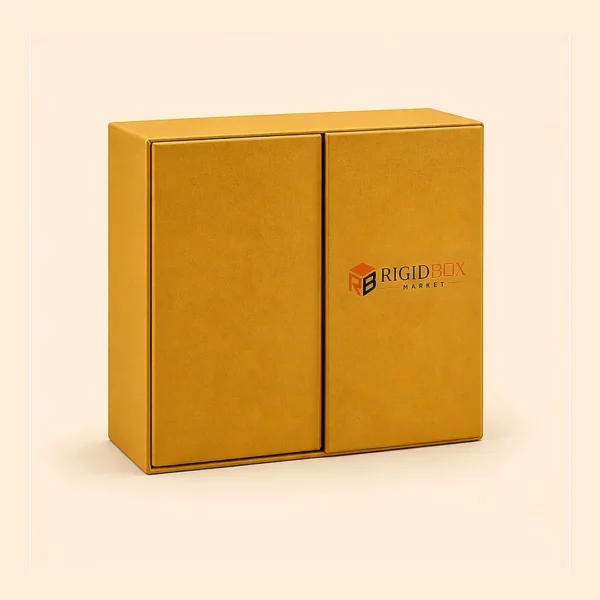
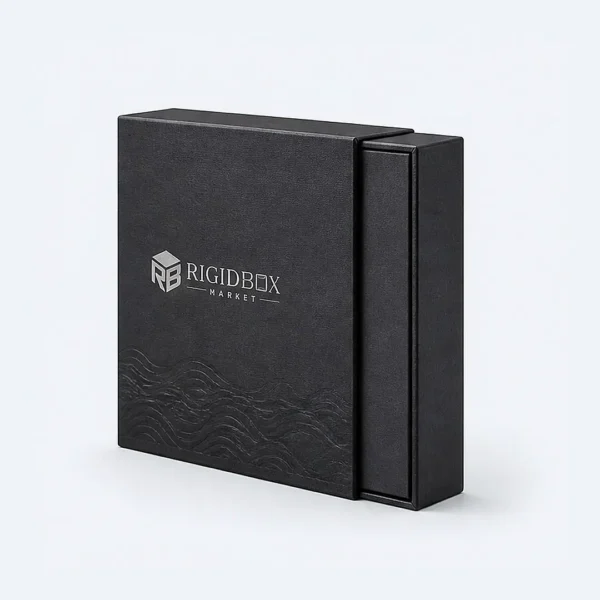
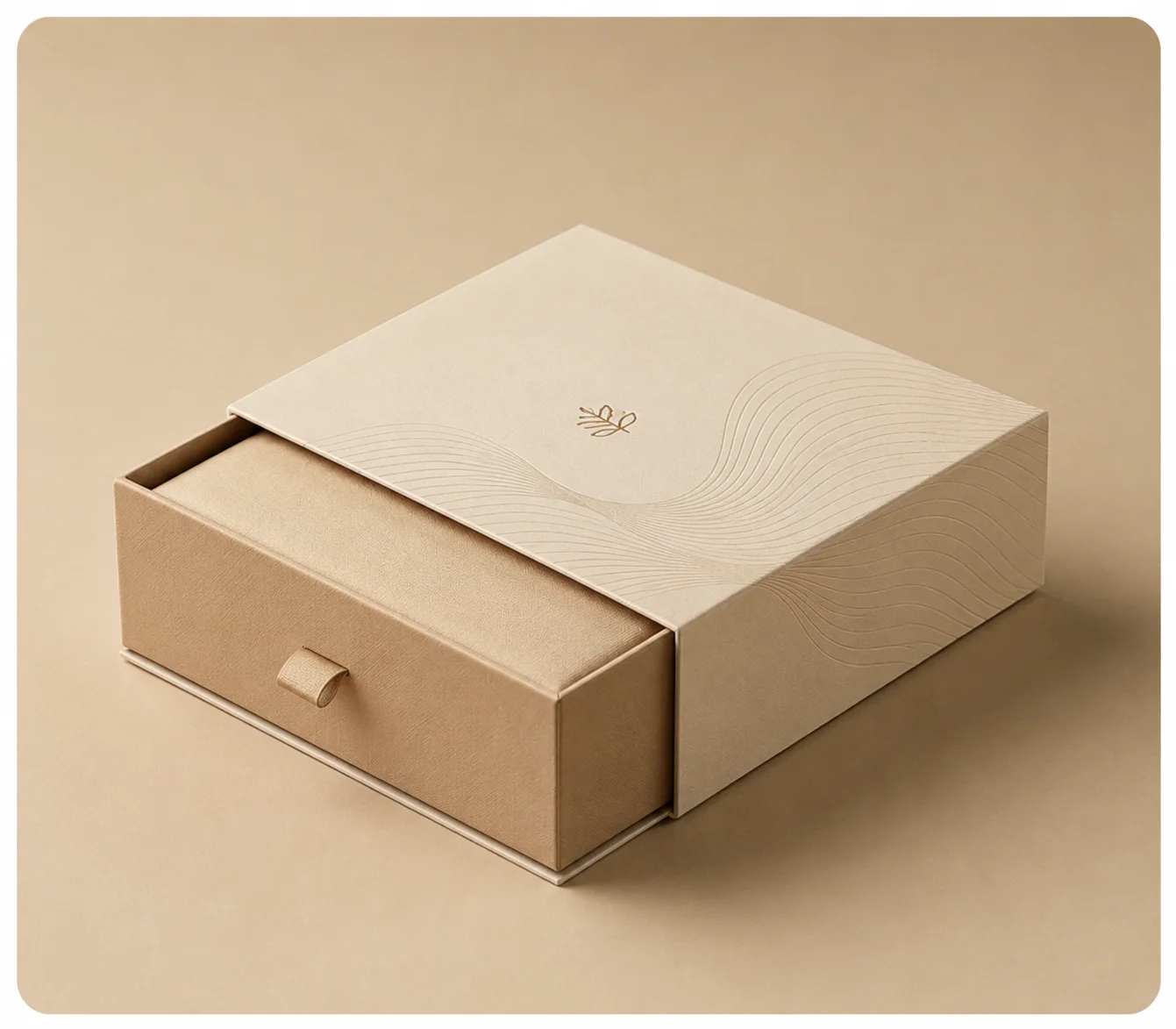
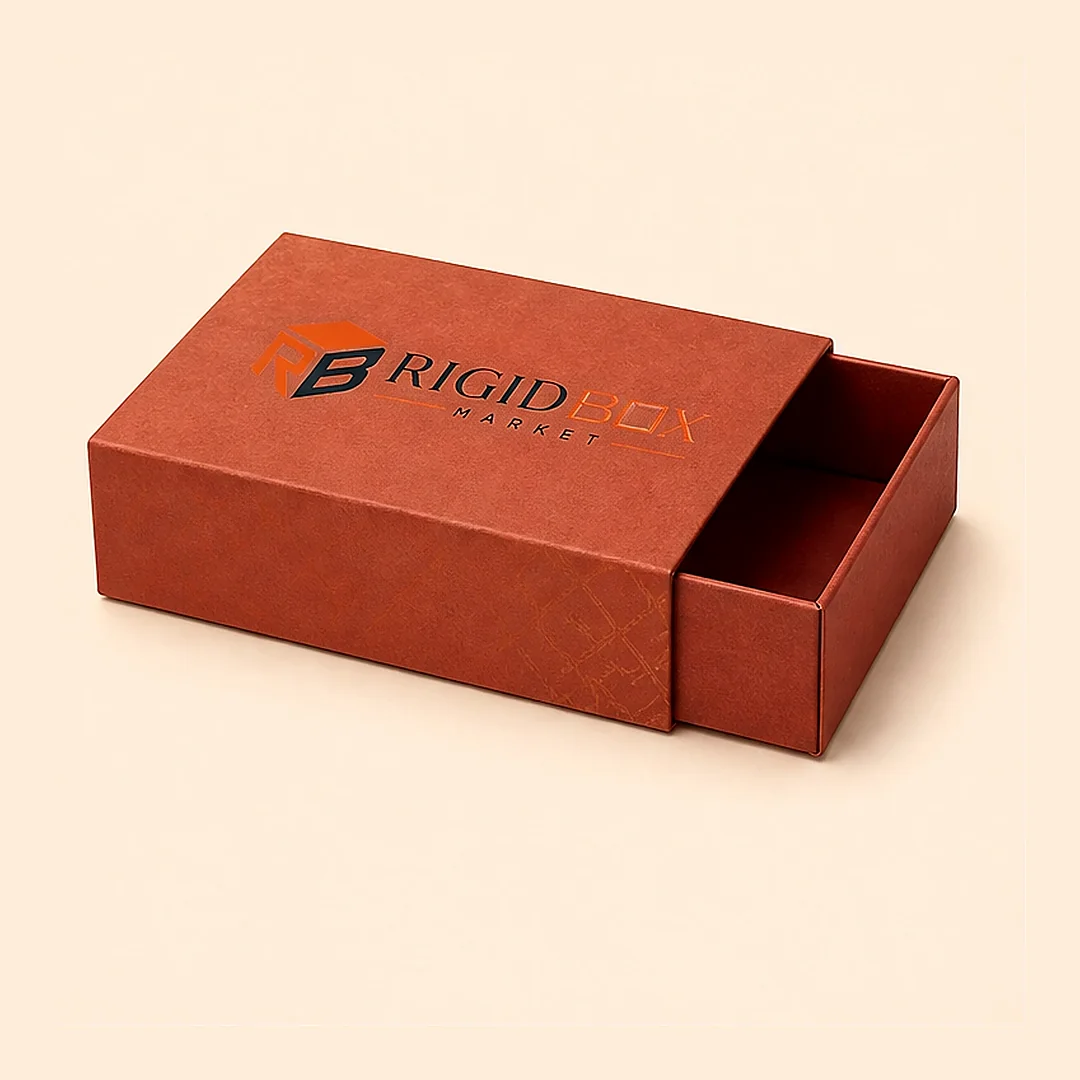
A book slipcase is open on one end and closed on the other three sides, built to slide over a book, a boxed set, or a bundle of grouped items rather than open on a hinge or lid. It’s less a container in the traditional sense and more a protective sleeve — the product goes in one end and stays visible from the outside spine, which makes it a natural fit for anything meant to sit on a shelf as much as travel through the mail. Because it has no lid to open, it also tends to be the fastest rigid format to pack at volume, which matters for anyone shipping recurring boxed-set orders.
Rigid Construction, Real Durability
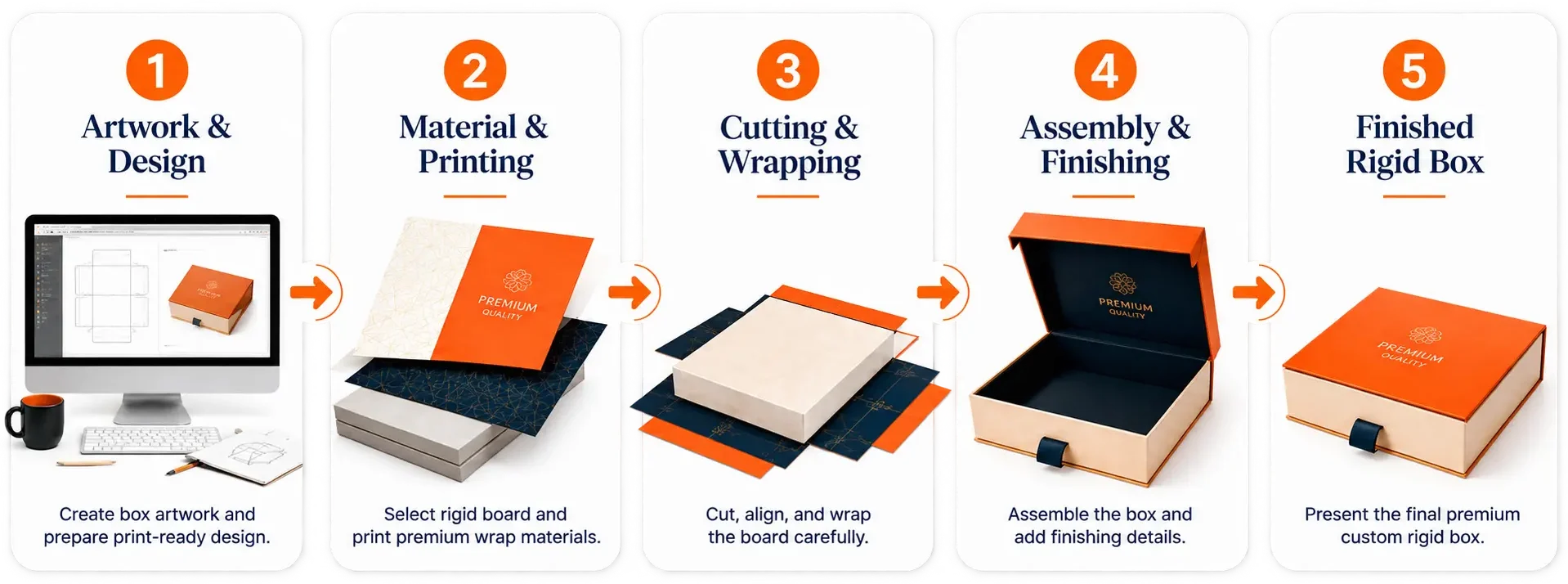
The slipcase is built from rigid chipboard formed into a five-sided sleeve, with wall thickness sized to resist crushing under the weight of whatever it’s protecting — a heavier boxed set needs a thicker wall than a single paperback. Because the open end is the point of structural weakness in this format, that edge is typically reinforced with a wrapped or turned-in fold rather than a raw cut, which keeps the slipcase from fraying or losing shape after repeated use. Unlike a lidded box, a slipcase doesn’t rely on any closure mechanism at all — its fit around the contents is what keeps everything in place, so getting that internal tolerance right during production matters more here than in most other rigid formats. Too loose and the contents slide out on their own; too tight and the case is awkward to remove, so the fit is usually dialed in against a physical sample before a full run is approved.
Tailored to Your Brand
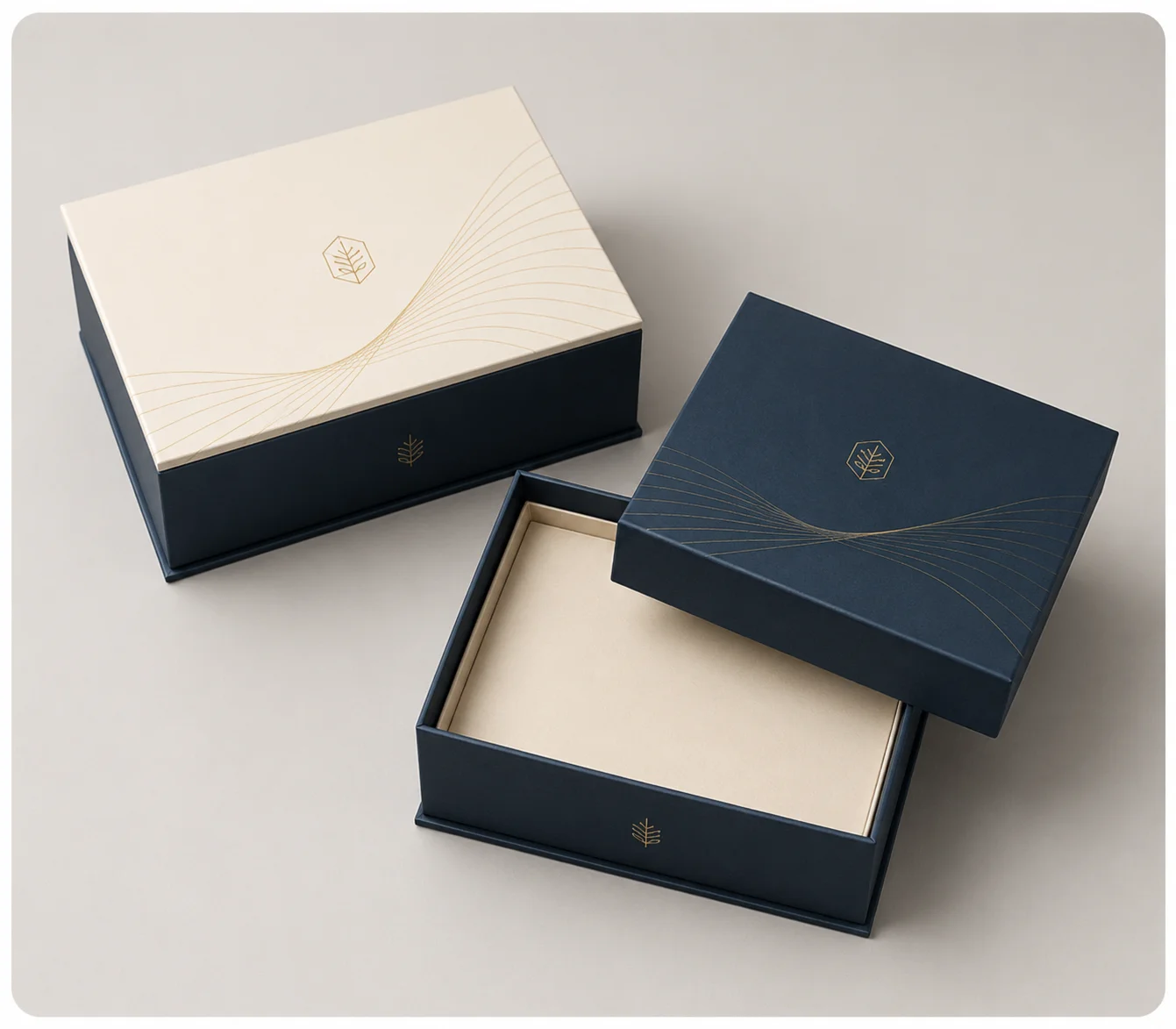
The exposed spine and open-end edge are the two surfaces that get the most visual attention on a slipcase, and both can be finished independently from the rest of the sleeve — foil stamping or embossing along the spine is a common way to carry a logo or title without needing to open the case at all. Standard customization includes full custom sizing to the exact dimensions of the contents, foil stamping, embossing, debossing, spot UV, and matte, gloss, or soft touch lamination across the exterior. Interior lining, if the contents need extra protection, can be added as a printed or plain paperboard wrap inside the sleeve, and a felt or foam strip along the interior edges is sometimes used for boxed sets that include anything breakable, such as a set that pairs a book with a small keepsake object.
- Custom sizing built to the exact dimensions of the contents
- Reinforced open-end edge to prevent fraying over repeated use
- Foil stamping, embossing, and debossing along the visible spine
- Matte, gloss, or soft touch lamination across the exterior
- Optional interior paperboard lining for extra protection
Where This Box Fits Best
Publishers use this format for exactly what its name suggests, but it extends well beyond books — subscription brands use it to bundle several smaller items into one cohesive package, and gift companies use it for boxed sets where a lidded box would add unnecessary bulk. Museum and gallery shops also favor the format for boxed print sets and catalog bundles, where the open spine lets the title stay visible on a retail shelf. It’s also a practical choice for anything sold as a themed bundle, since the exposed spine gives retail buyers a way to identify the product without pulling it off the shelf.
Scaling Your Packaging With Us
Rigid Box Market produces slipcases with the internal tolerance this format depends on held consistent across a full production run, so a case that fits snugly on the approved sample fits the same way on unit one thousand. For publishers and subscription brands running recurring print cycles, that kind of dimensional consistency is what keeps a slipcase from becoming a fulfillment headache down the line.
Share the dimensions of what you’re packaging and your order volume, and we’ll send back a free quote.