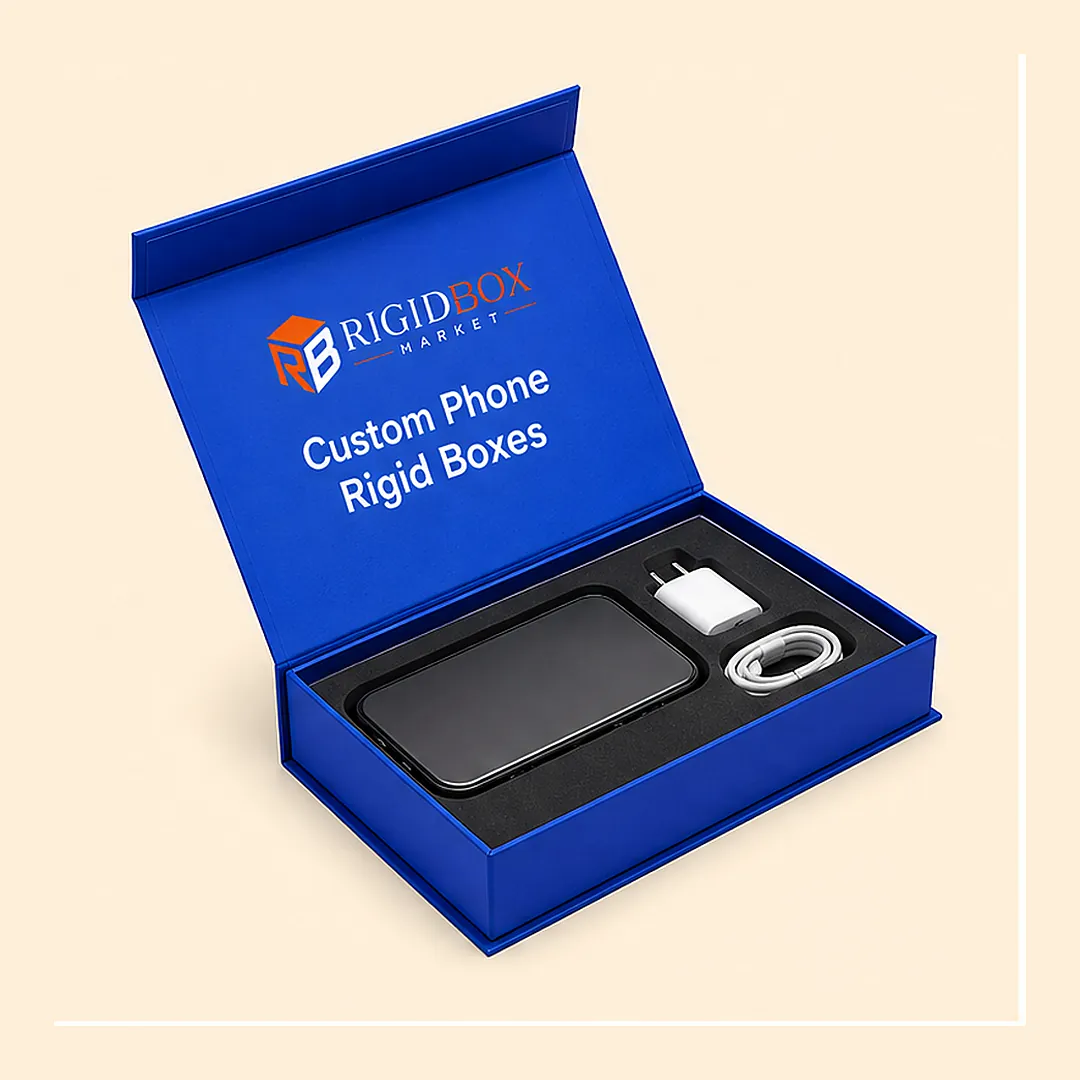
First Look
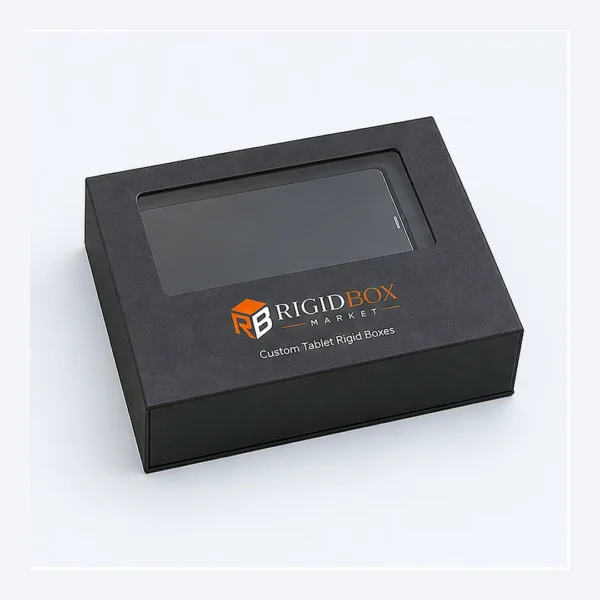
Tablet rigid boxes work at a larger scale than phone packaging but follow many of the same underlying protective principles, holding a flat, screen-forward device securely while also accommodating the accessories, such as a stylus, keyboard case, or charging cable, that tablets are frequently sold or bundled with more often than phones typically are. That larger footprint also means the box itself carries more structural responsibility, since a tablet’s wider, thinner profile is more prone to flexing under uneven pressure than a phone’s smaller, more compact shape.
Room for the Device and Its Accessories
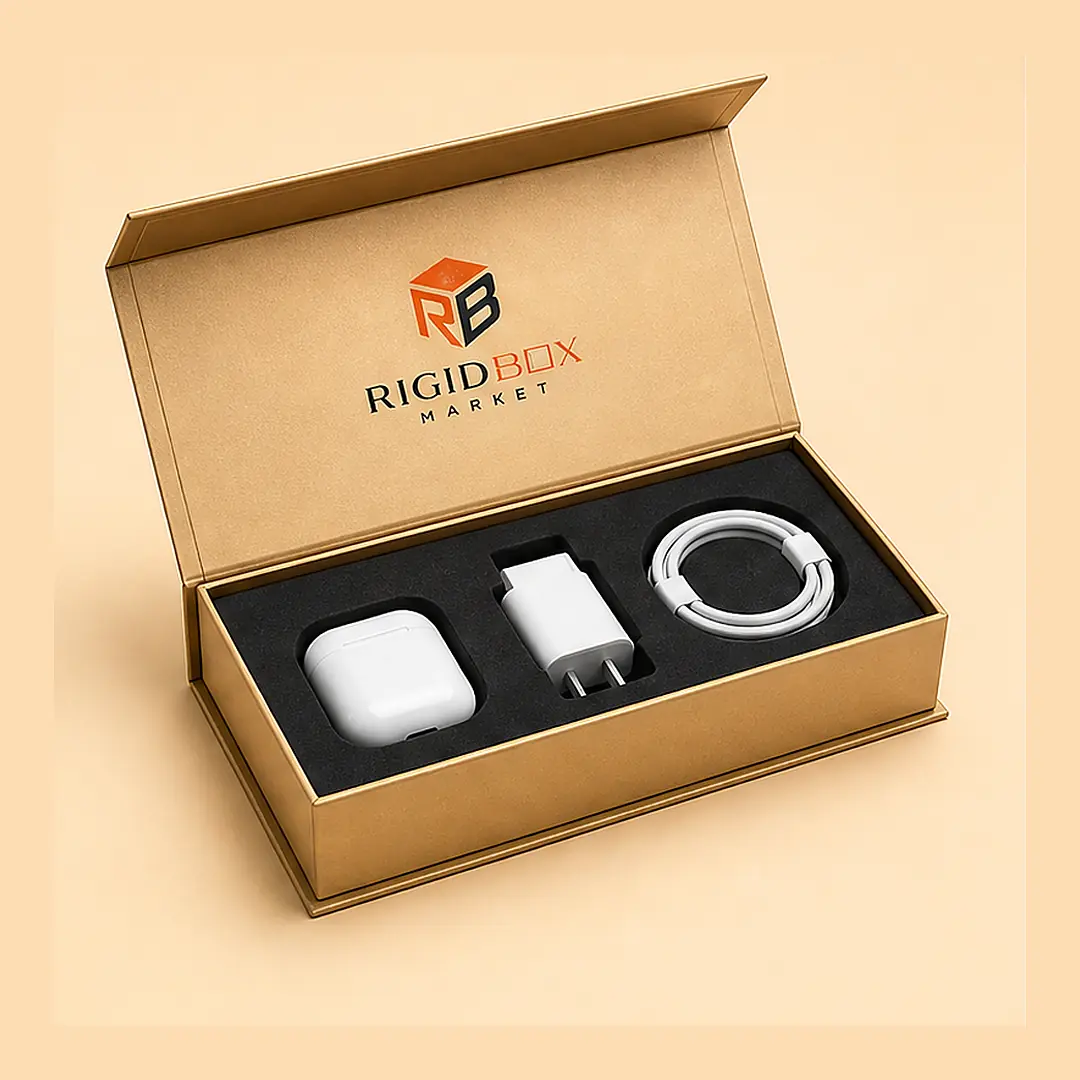
The shell is built from rigid chipboard sized to the tablet’s larger footprint, and the interior insert, typically a foam or molded paperboard tray, holds the device flat with cutouts for included accessories positioned around or beneath the main device cavity. Corner reinforcement on the shell itself also deserves attention here, since a tablet box’s larger footprint means the corners see proportionally more stress during handling than a smaller phone box would. Because tablets are thinner and more prone to bending stress than a phone’s more compact form factor, the tray needs to support the device across its full surface area rather than at a few contact points, distributing pressure evenly to avoid flex-related screen damage during shipping. Larger tablets, increasingly common as screen sizes across the category have grown, amplify this concern further, since a longer unsupported span flexes more readily than a shorter one under the same applied pressure. Stylus and keyboard accessories, when included, generally get their own dedicated cavity rather than sharing space with the tablet itself, since loose accessories rattling against a screen during transit is one of the more common causes of scratched displays in this category. A stylus tip in particular, often a harder material than the accessory’s body, poses a disproportionate scratch risk relative to its small size if it isn’t properly secured.
Customization Options
Cavity shape, depth, and accessory compartment layout can all be built to a specific tablet model and its typical accessory bundle. Standard exterior finishing includes foil stamping, embossing, debossing, spot UV, and matte, gloss, or soft touch lamination, and tablet accessory and case brands frequently favor a matte or soft touch exterior paired with a glossy accent, matching the visual language common across premium consumer electronics packaging. Closures typically use a two piece or hinged lid, sized generously enough for easy device removal without flexing the tablet against the cavity edges.
- Full-surface support tray to prevent flex-related screen damage
- Dedicated accessory compartments for stylus and keyboard cases
- Cavity dimensions built to specific tablet models
- Foil stamping, embossing, debossing, and spot UV finishing
- Matte, gloss, or soft touch lamination
Built for These Brands
Tablet accessory brands, particularly case and keyboard manufacturers, rely on this format to bundle their products with a device for retail or promotional packaging. Refurbished electronics retailers use it for the same reassurance-driven reasons phone resellers do, giving a secondhand tablet a presentation that supports buyer confidence in the device’s condition. That confidence matters more for a higher-priced device like a tablet than it might for smaller electronics, since buyers are often comparing a secondhand purchase directly against the cost of buying new. Corporate and educational technology programs distributing tablets in bulk also use a simplified version of this format, prioritizing protective function and reorder consistency over elaborate finishing, since a school or company managing hundreds of devices values dependable, repeatable packaging more than any single decorative detail.
The Rigid Box Market Advantage
Even support across a tablet’s full surface area is the detail that prevents the kind of flex-related damage that a few isolated contact points in a poorly designed tray can cause. Rigid Box Market builds tray support and accessory compartments around the specific tablet model and bundle being packaged and holds that fit consistent across full production runs.
A note on which accessories ship alongside the tablet helps us plan compartment layout before tooling begins. Share your tablet model, accessory bundle, and order volume, and we’ll follow up with a free quote.