Introduction
Speaker rigid boxes have to accommodate a wider range of shapes than most other electronics categories, since portable speakers alone span cylindrical, rectangular, and more sculptural designs, and that variety means this format leans more heavily on custom-shaped cavities than a category with a more standardized device profile, like a phone, would require. Even within one brand’s own lineup, a compact travel speaker and a larger home unit often share almost nothing in terms of packaging geometry despite being closely related products.
Shaped Around the Device
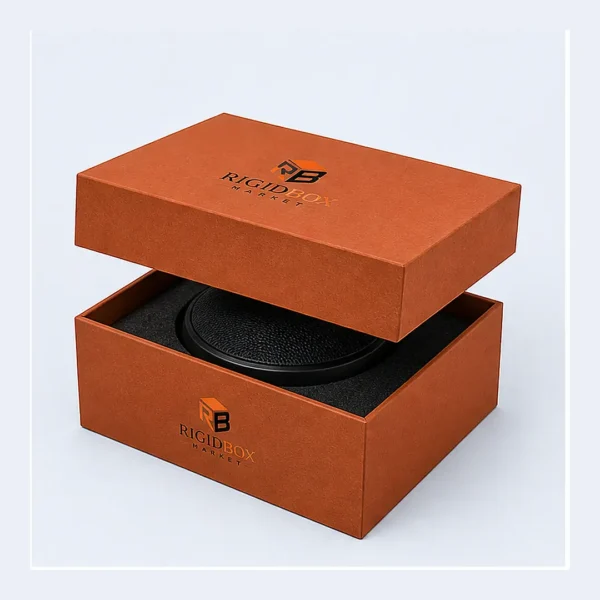
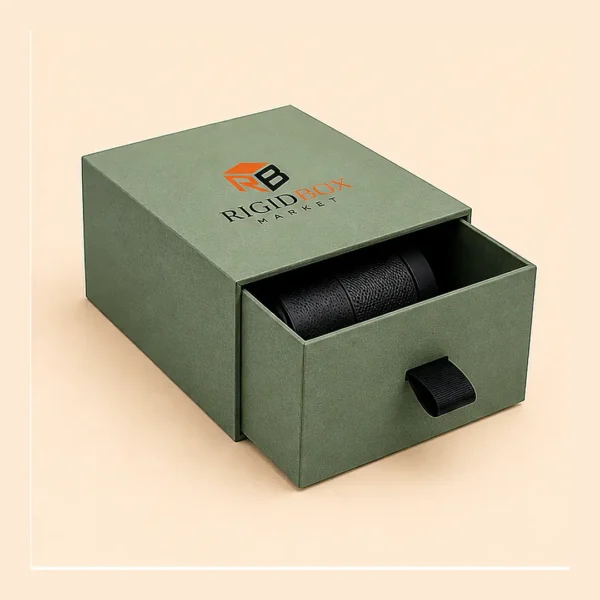
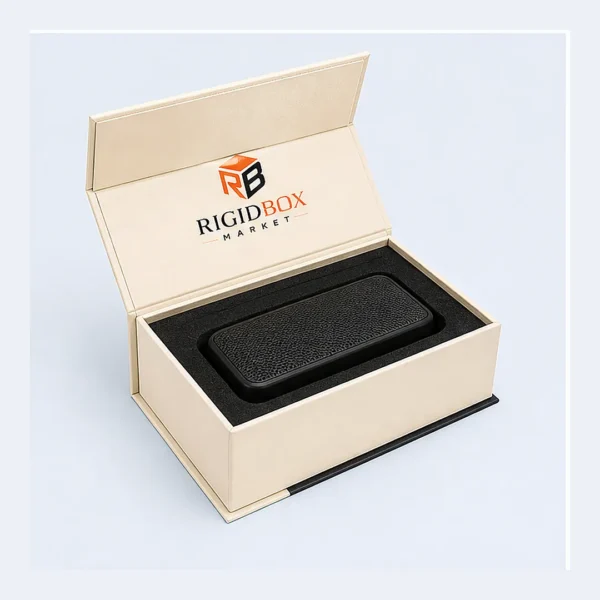
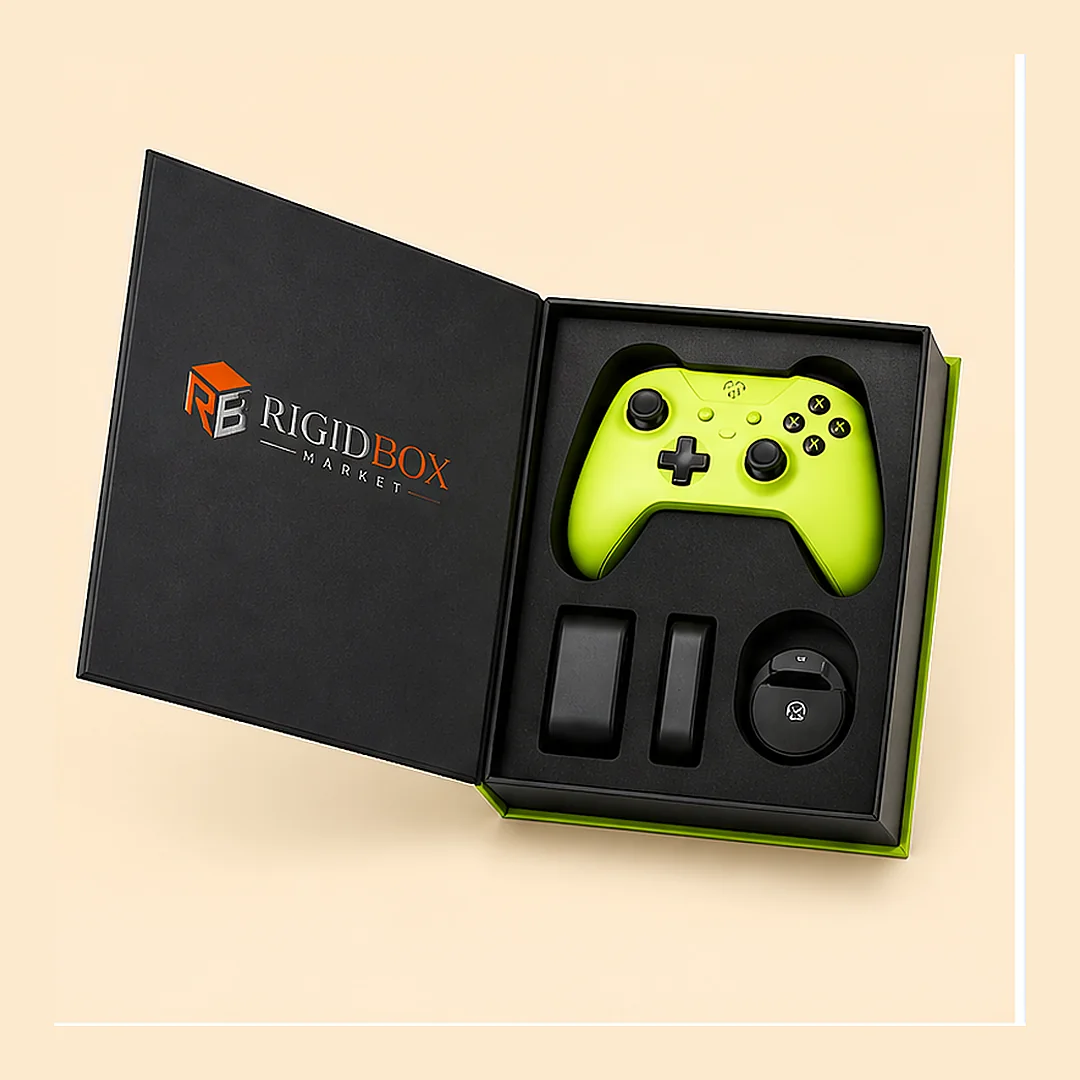
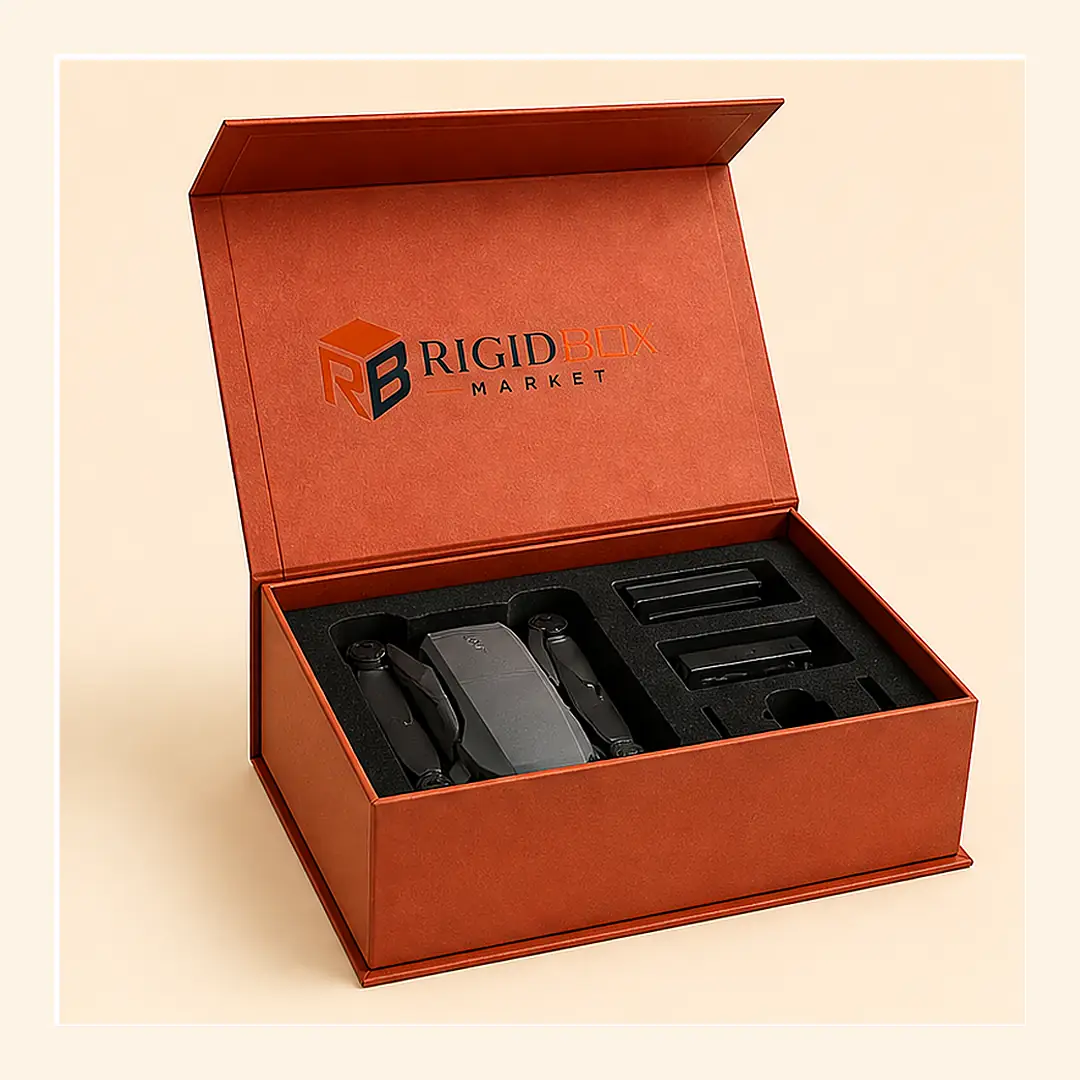
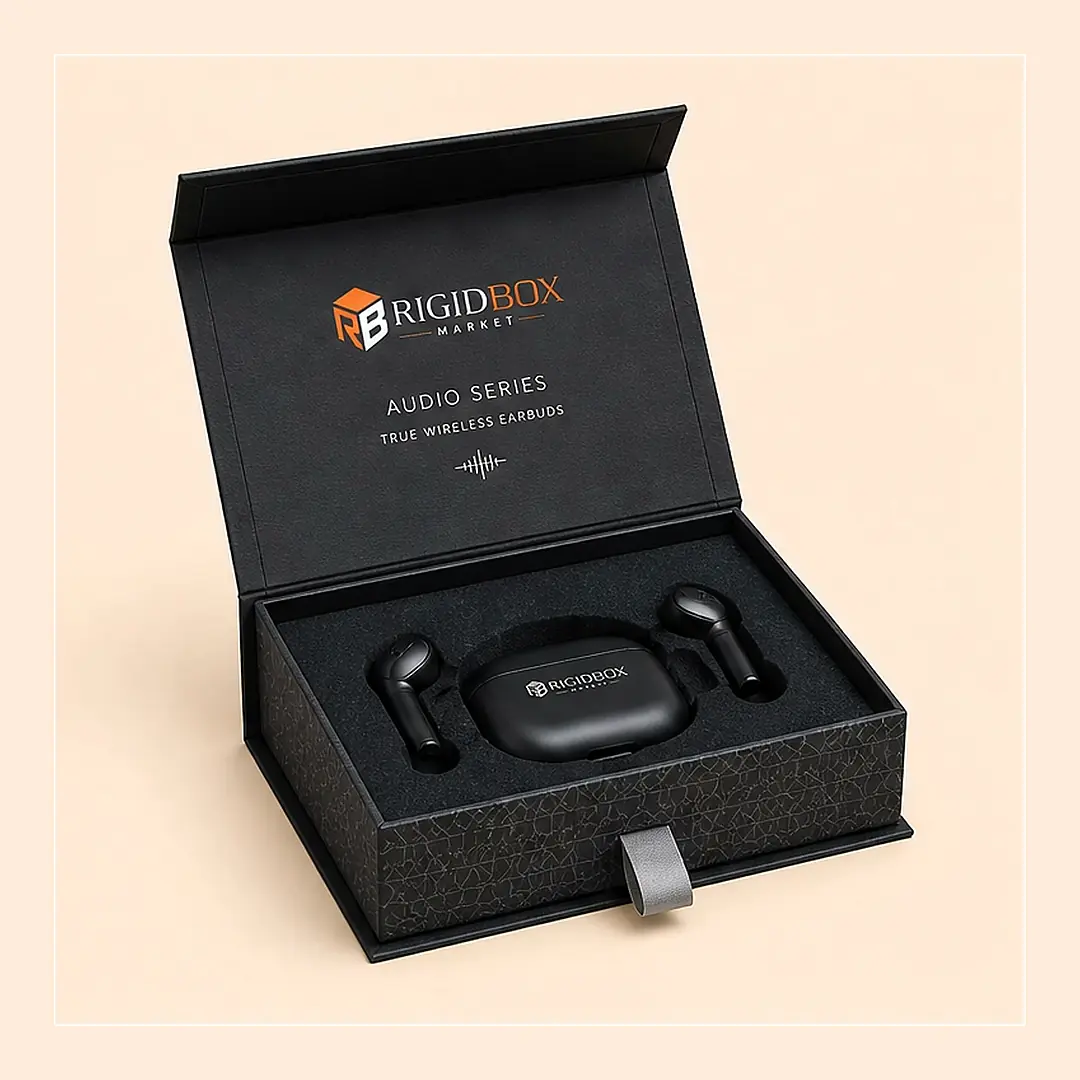
The shell is built from rigid chipboard with wall thickness scaled to the speaker’s weight, which can vary considerably from a small, lightweight portable unit to a substantial home speaker with internal components adding real heft. A brand’s entry-level and flagship speaker models can differ enough in weight that a single wall thickness specification rarely serves both well. The interior insert, typically foam, is cut to cradle the speaker’s specific shape, and cylindrical designs in particular need a cavity that supports the curved body evenly along its length rather than at a few contact points, which helps prevent the speaker from rolling or shifting during transit. Grille fabric and exposed driver surfaces, common on many speaker designs, benefit from a cavity surface that avoids direct contact with those more delicate exterior materials, since a textured or abrasive insert surface can visibly mark fabric grille covers over time. A fabric-wrapped or smooth-finish foam cavity is generally the safer choice for these surfaces compared to a raw foam texture, which can leave faint impressions on delicate grille material after extended contact.
Customization Options
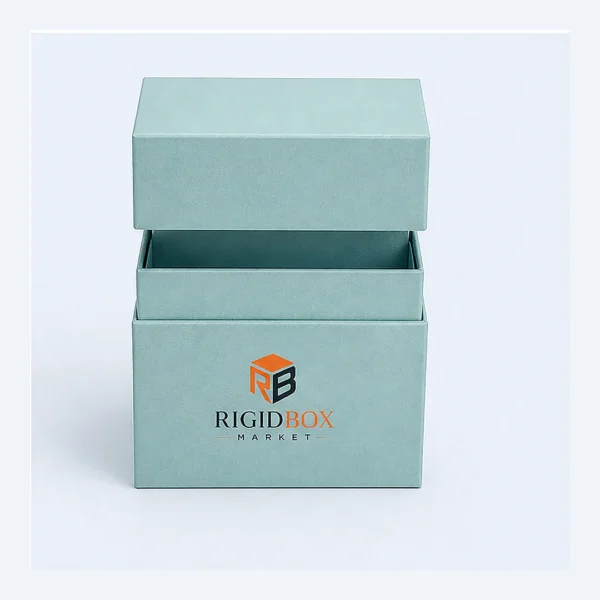
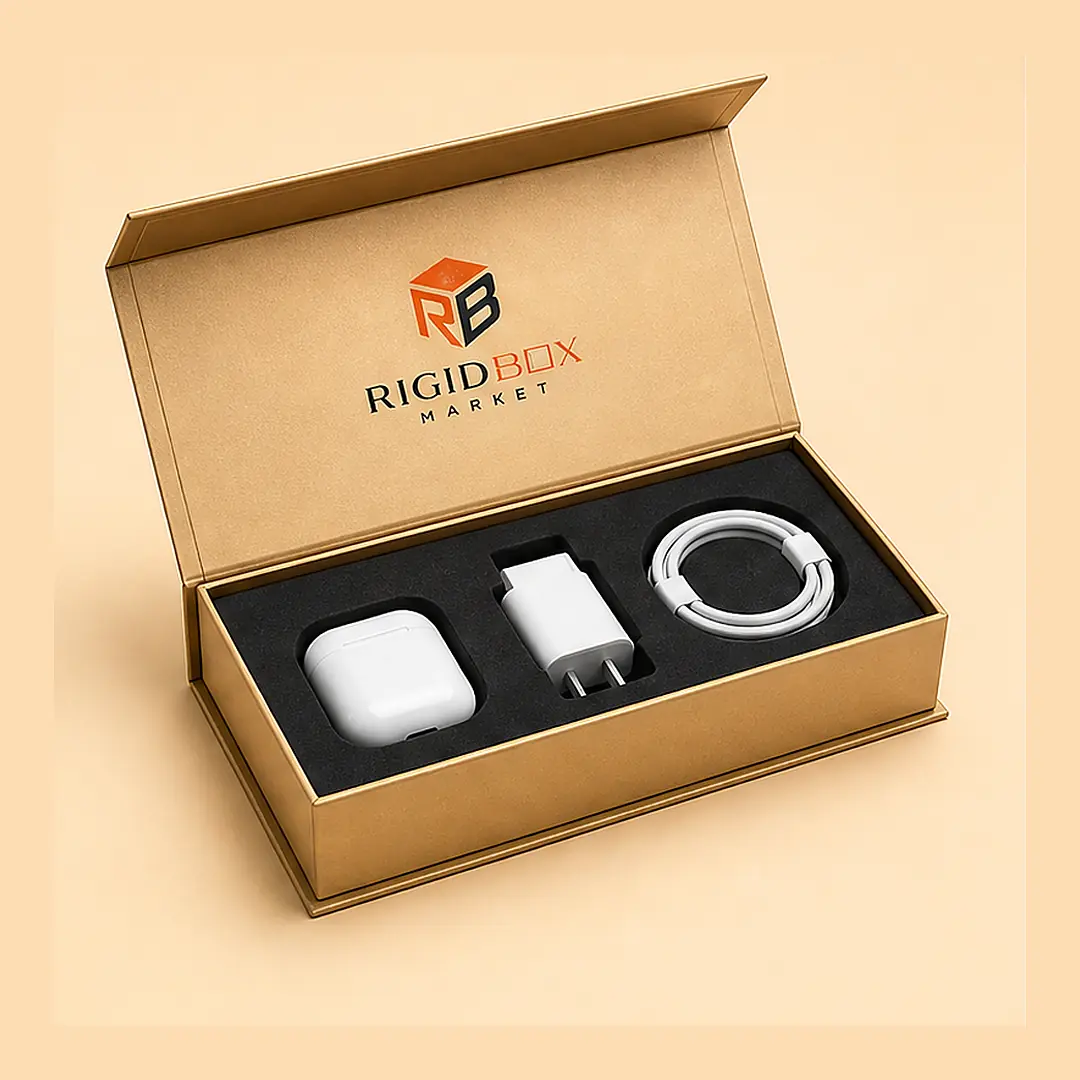
Cavity shape and depth can be built to a specific speaker model, whether cylindrical, rectangular, or an irregular sculptural design, and compartment space for a charging cable or power adapter is available as a standard addition. Waterproof and outdoor-oriented speakers sometimes include additional accessories like a carabiner clip or protective sleeve, which benefit from their own small dedicated compartment separate from the main speaker cavity. Standard exterior finishing includes foil stamping, embossing, debossing, spot UV, and matte, gloss, or soft touch lamination, and audio brands frequently favor a matte or soft touch exterior that echoes the tactile, premium feel many portable speaker products are designed around. Rubberized or textured exterior coatings, mimicking the grip texture found on many speaker bodies themselves, are an increasingly popular finishing choice that extends the product’s own tactile language onto its packaging. Closures typically use a two piece or hinged lid sized to the speaker’s overall footprint.
- Cavity shape built to specific speaker silhouettes, including cylindrical designs
- Cavity surfaces that avoid contact with fabric grilles or exposed drivers
- Compartment space for cables and power adapters
- Foil stamping, embossing, debossing, and spot UV finishing
- Matte, gloss, or soft touch lamination
Where This Box Fits
Audio brands rely on this format across their portable and home speaker lines, generally building cavity tooling specific to each model given how much speaker shapes vary even within one brand’s catalog. Refurbished electronics retailers use it for the same reassurance-driven reasons common across resold tech, giving a secondhand speaker a presentation that supports buyer confidence, and corporate gifting programs use speaker boxes for branded tech gifts, since portable speakers have become a popular mid-to-higher-tier client or employee gift option, offering a practical, broadly appealing gift that doesn’t require knowing a recipient’s specific device ecosystem the way some other tech gifts do.
The Rigid Box Market Advantage
Because speaker shapes vary so widely across the category, cavity tooling genuinely has to be built around each specific device rather than adapted from a generic electronics template that assumes a rectangular footprint. Rigid Box Market builds cavity dimensions to each speaker’s exact profile and holds that fit consistent across full production runs.
Let us know whether the speaker is cylindrical, rectangular, or a more sculptural shape, since that determines the cavity approach from the start. Share your speaker model dimensions and order volume, and we’ll follow up with a free quote.