Overview
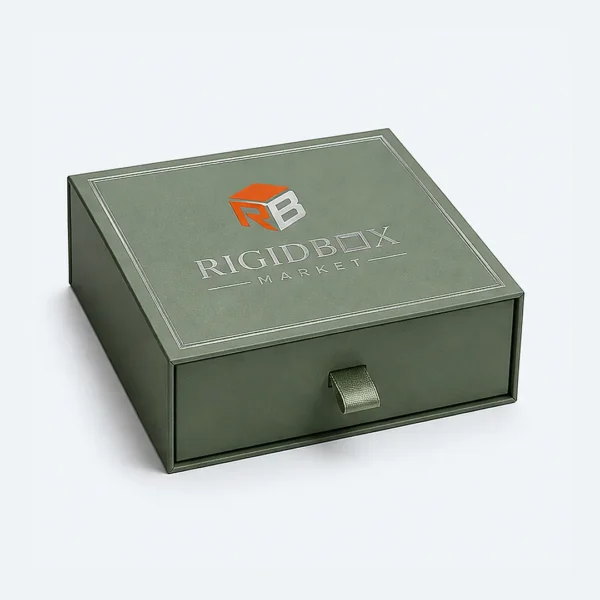
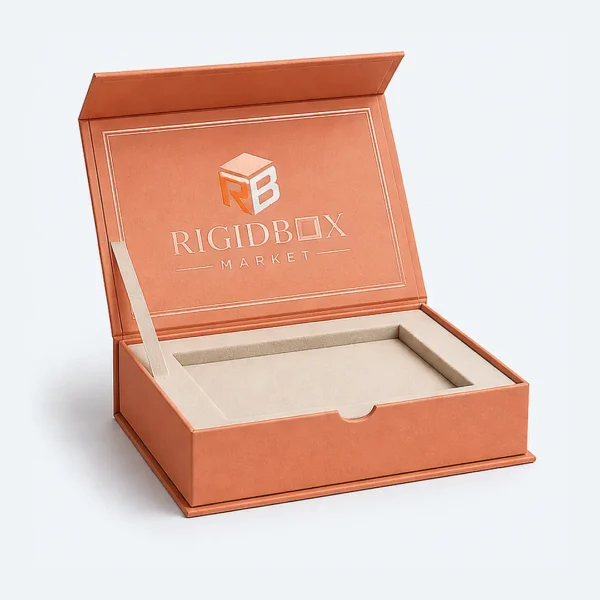
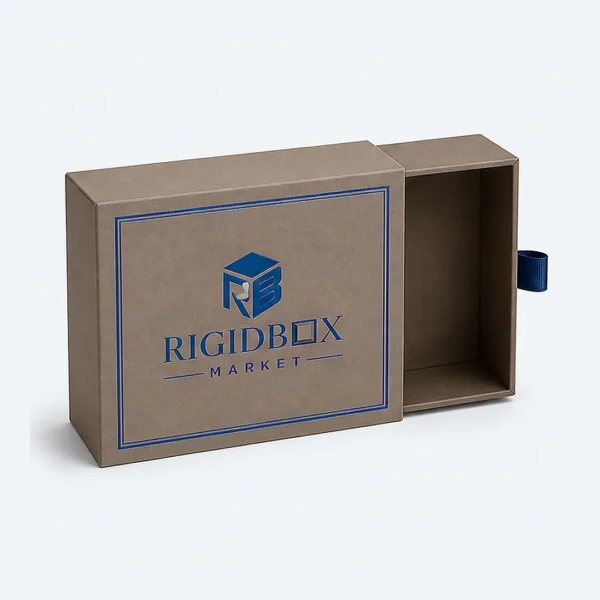
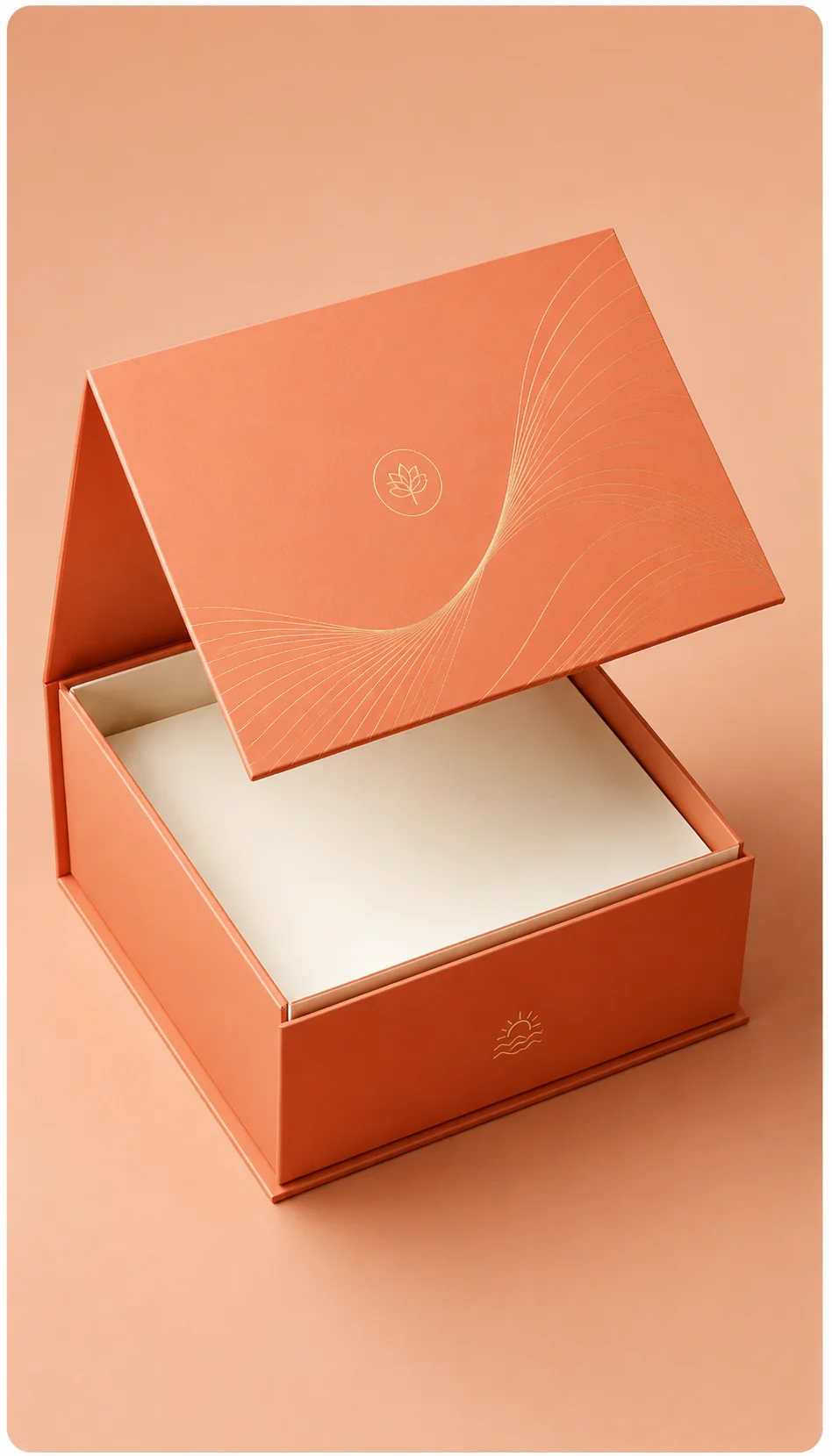
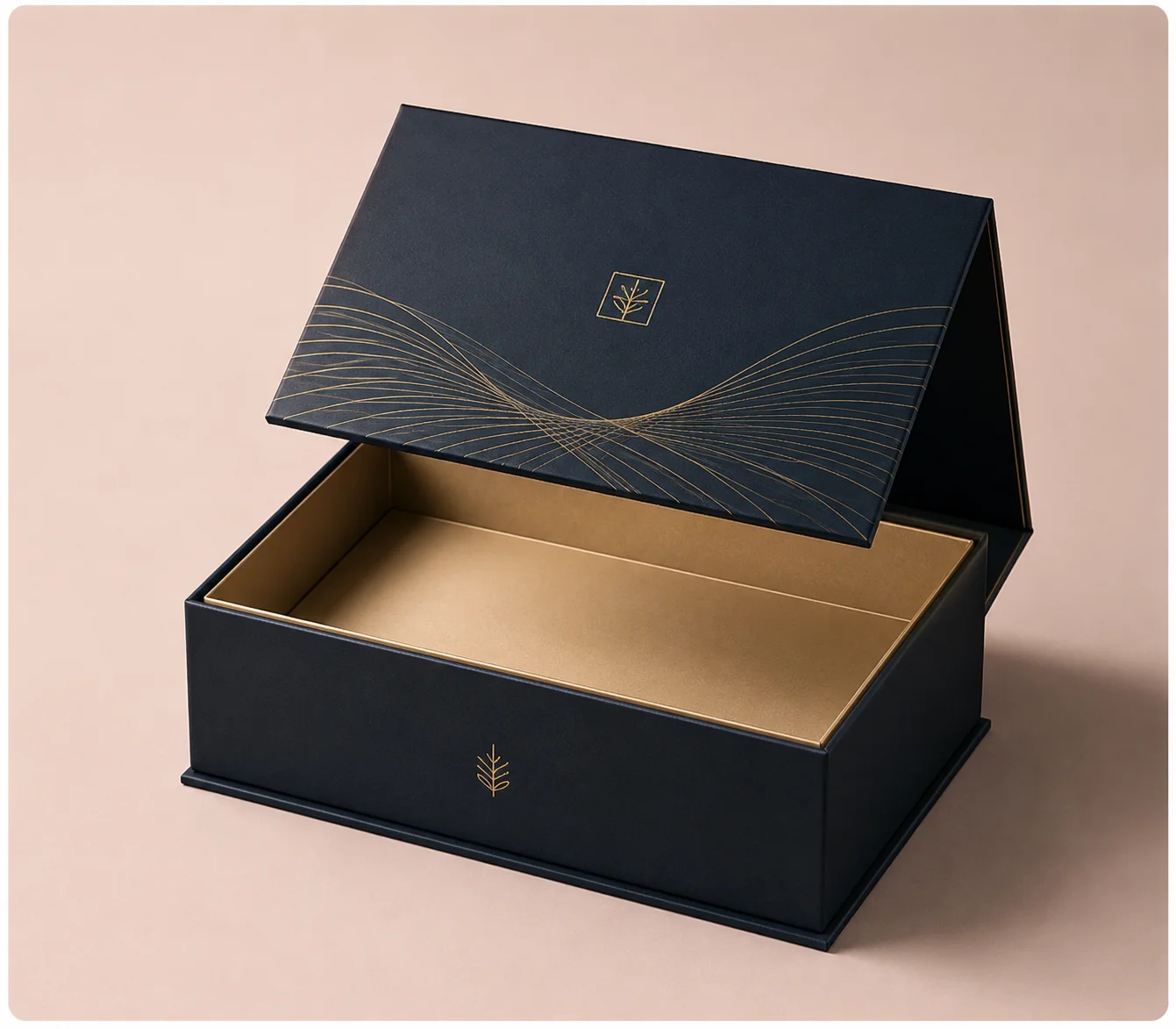
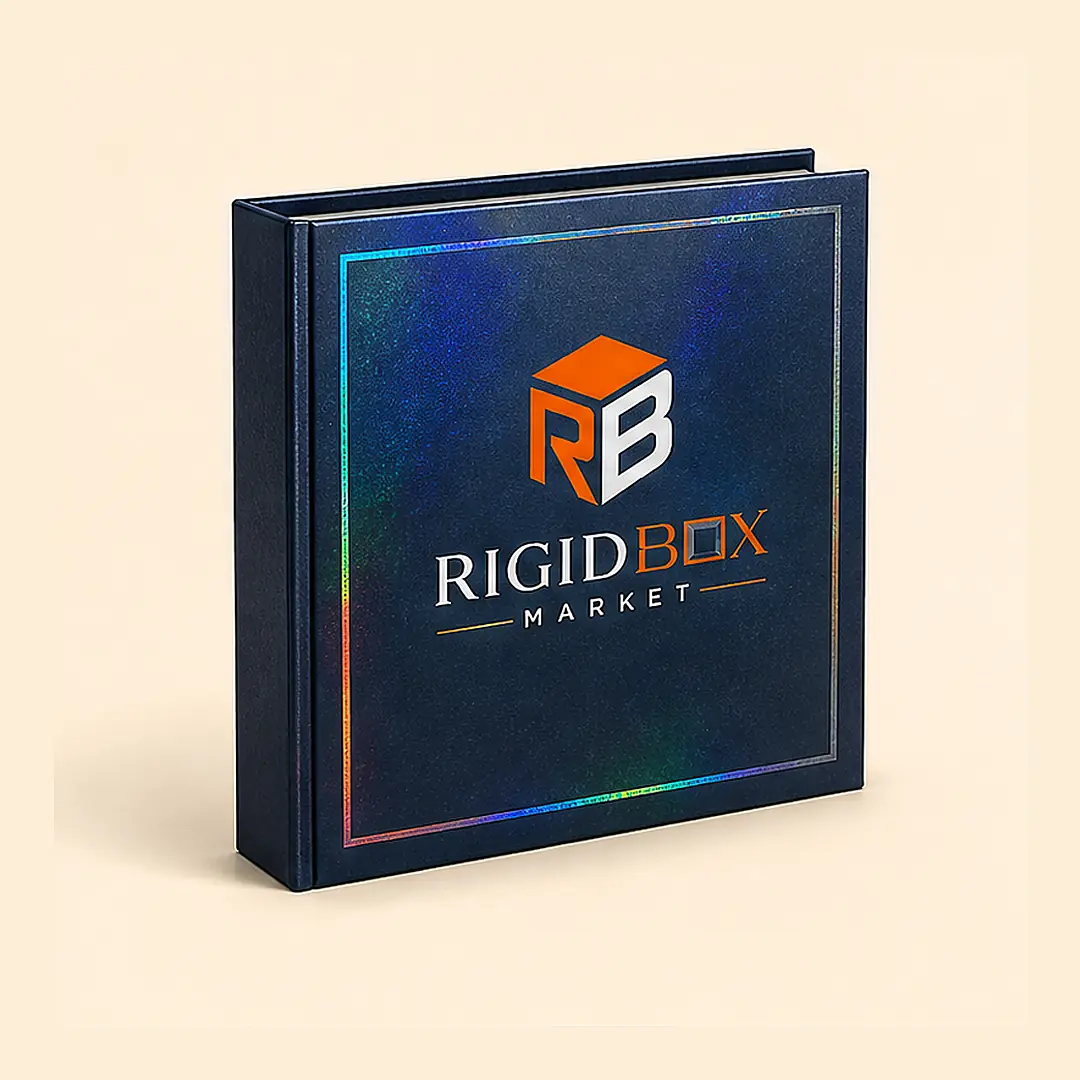
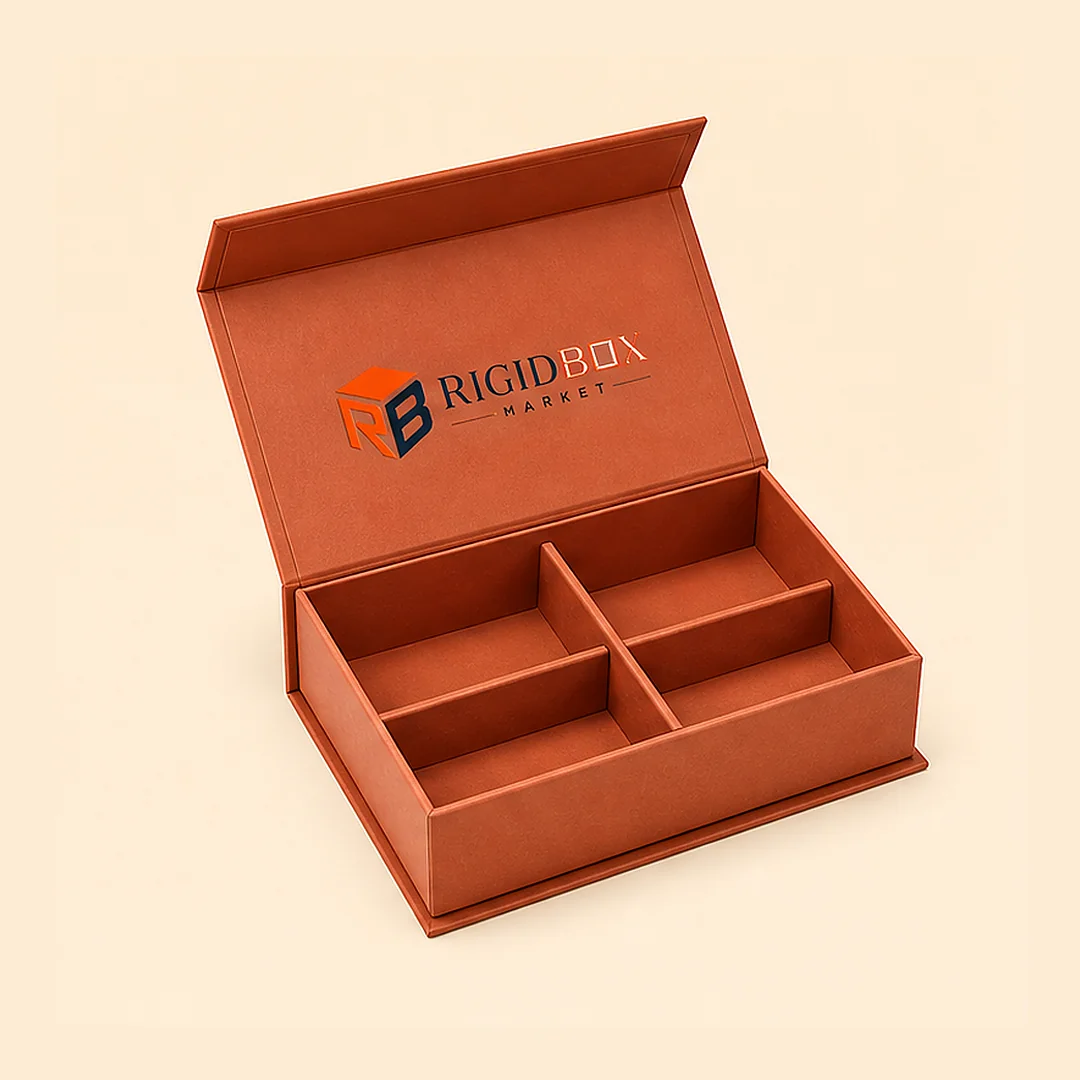
Foil stamping is one of the more reliably premium-reading finishes available on rigid packaging, using heat and pressure to transfer a thin layer of metallic or pigmented film onto the box surface in the shape of a logo, pattern, or text, producing a reflective, tactile result that flat printing alone can’t achieve regardless of ink quality. It’s also one of the oldest finishing techniques still in wide commercial use, largely because nothing since has matched its combination of reliability, visual impact, and relative cost efficiency.
How Foil Stamping Works
A metal die is cut to the exact shape of the design being foiled, then heated and pressed against the foil film and box surface simultaneously, which transfers the foil layer only where the die makes contact while leaving the surrounding surface untouched. That precision is what gives foil stamping its clean edges and consistent coverage, assuming the die is cut accurately and the heat and pressure are calibrated correctly for the specific foil and substrate being used, since too little pressure leaves patchy, incomplete coverage and too much can distort fine detail in the design. Substrate texture matters too, since a heavily textured or uncoated stock can hold foil less evenly than a smooth, coated surface, which sometimes calls for adjusting either the substrate choice or the design itself. Foil color options extend well beyond the classic gold and silver into custom pigmented foils, and the technique can be applied to flat surfaces, embossed surfaces for a combined dimensional-and-reflective effect, or small compact areas like a logo mark on an otherwise plain lid.
Customization Options
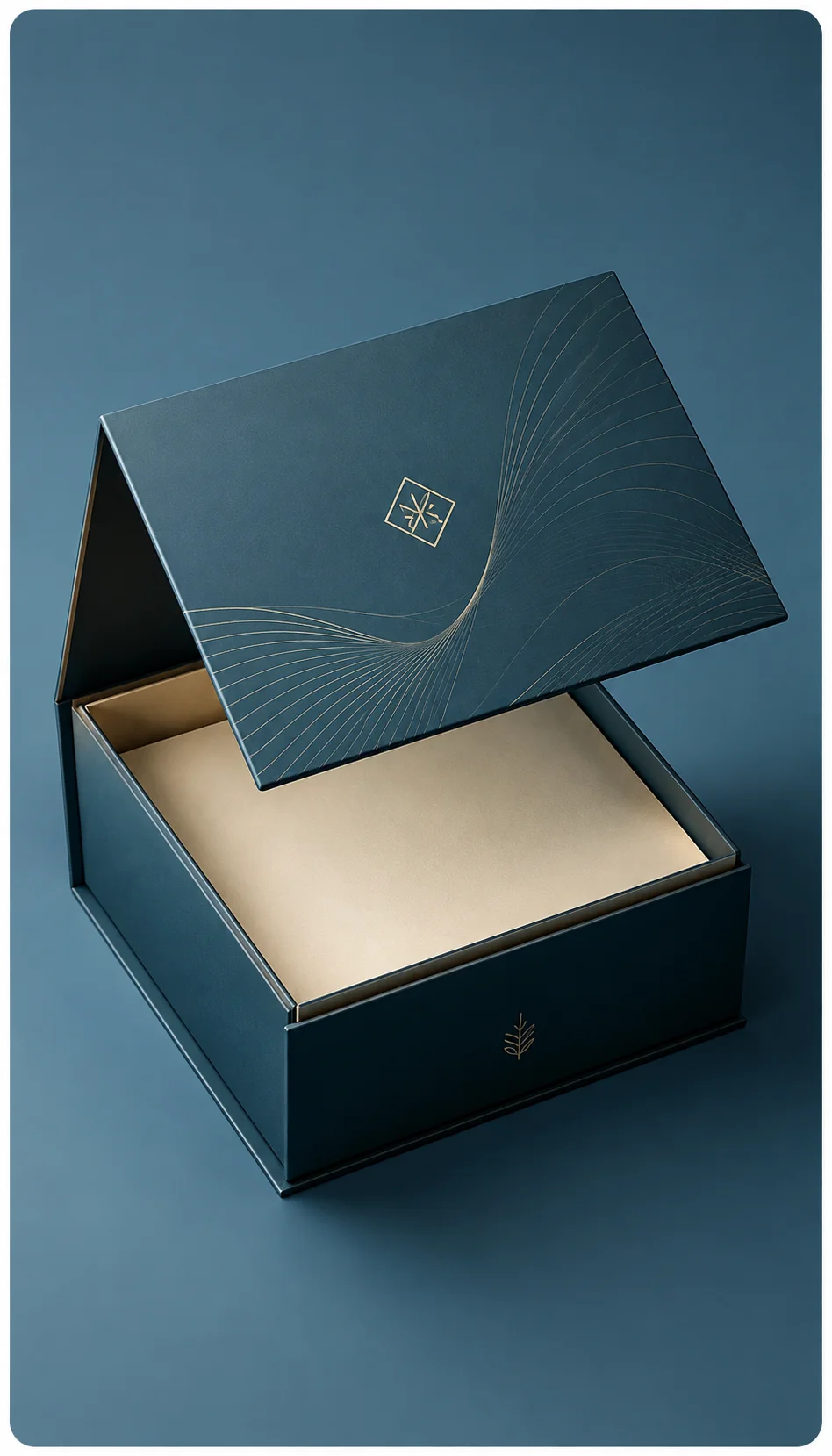
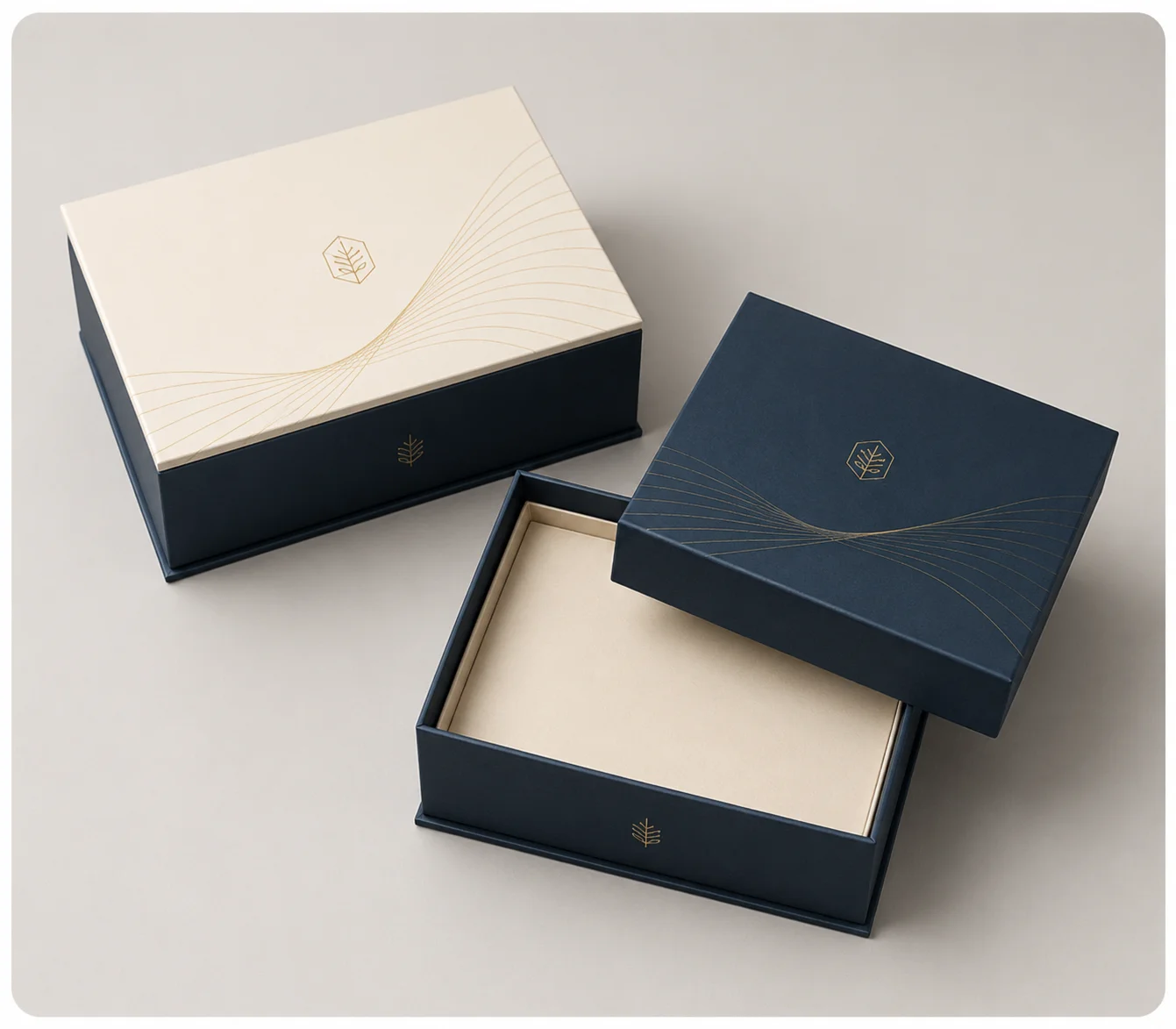
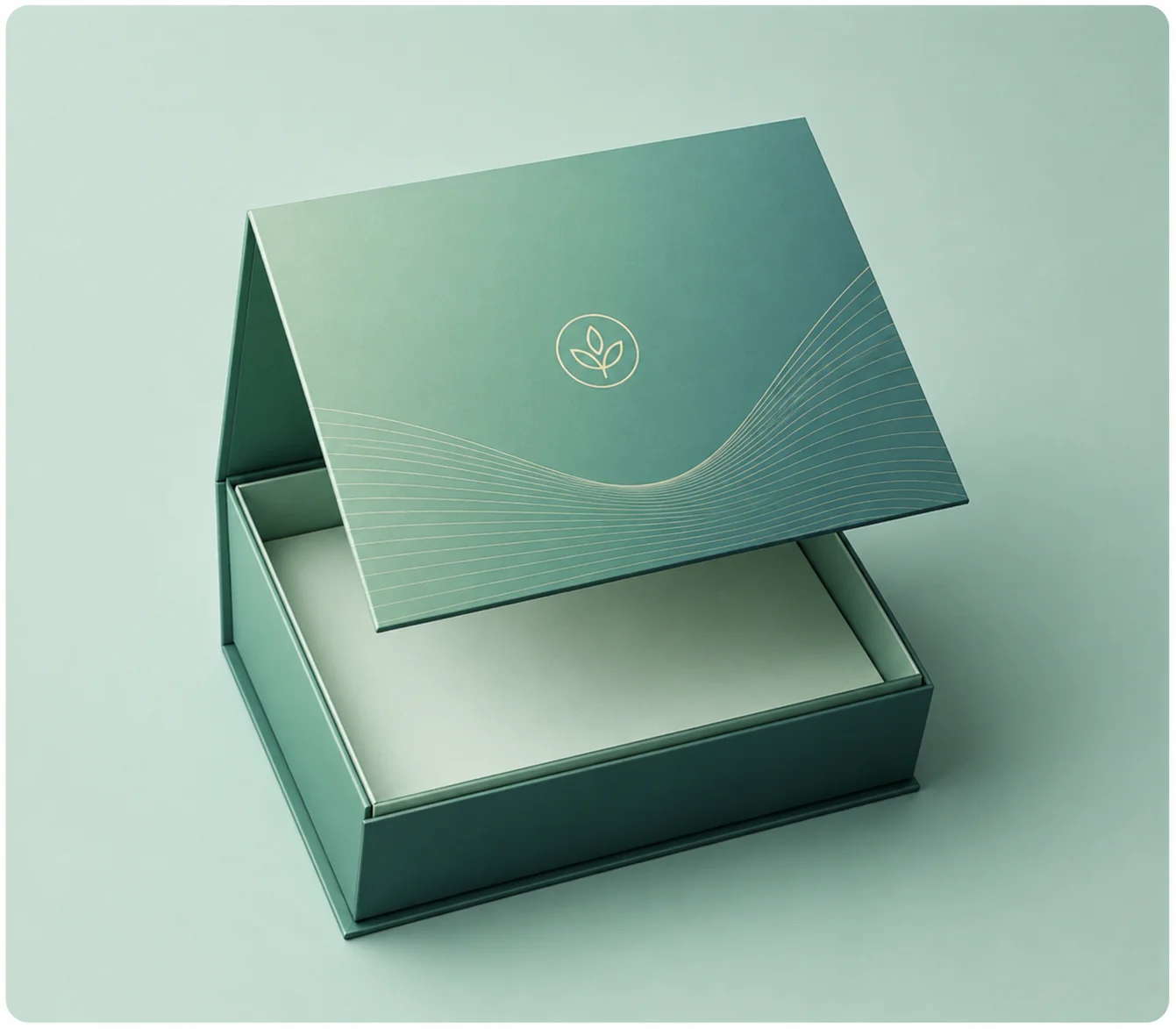
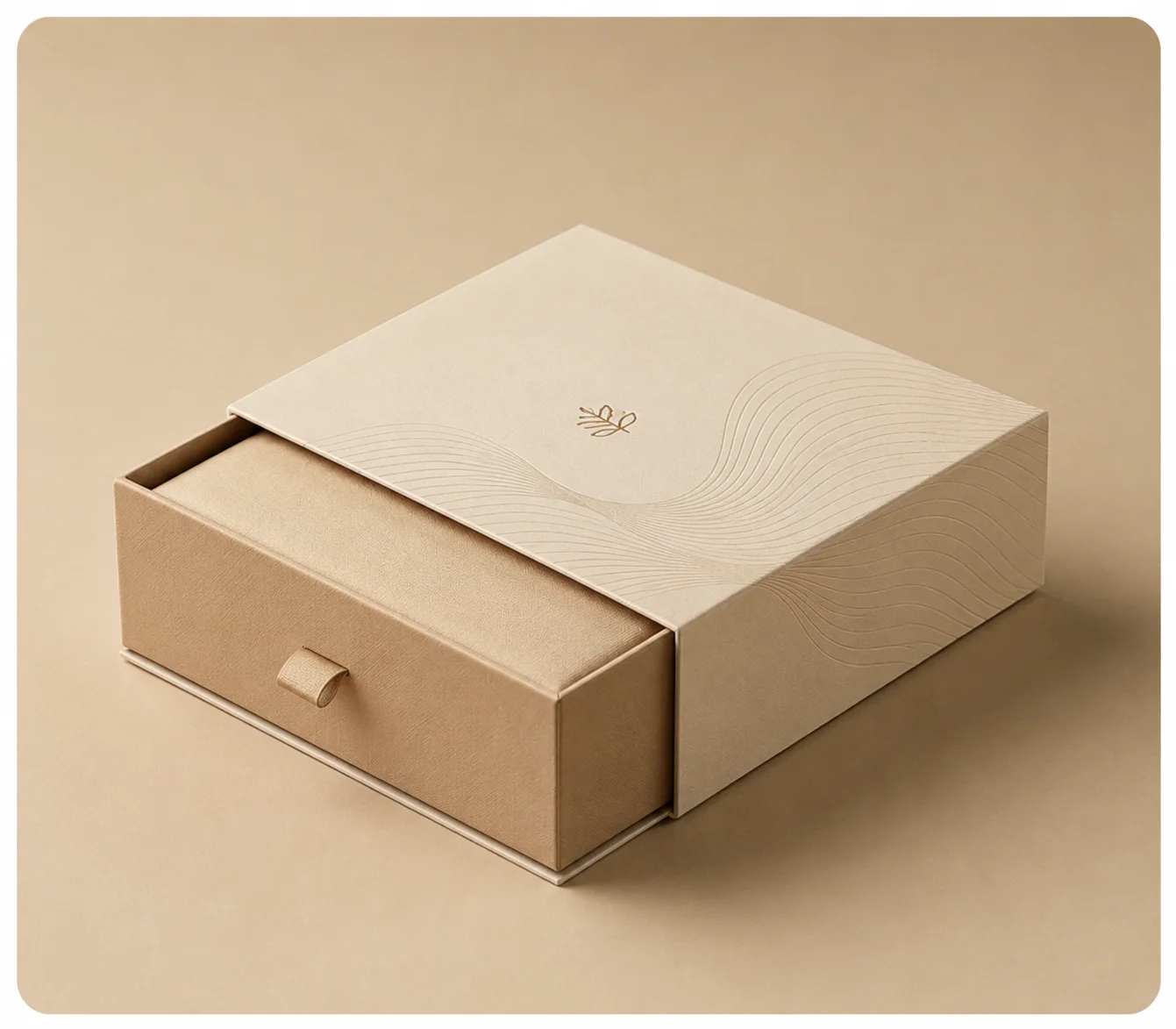
Foil color, placement, and coverage area can all be specified to a brand’s exact design files, and foiling pairs naturally with other finishing techniques — combined with embossing for a raised, reflective detail, or set against a matte or soft touch base for maximum visual contrast between the foiled element and the surrounding surface. Coverage can range from a small logo mark to a full panel of foiled pattern work, though larger coverage areas generally require more precise die-cutting and tighter production tolerances to avoid visible seams or registration issues. Registration, the alignment between the foil die and the printed artwork beneath it, becomes especially critical when foiling is combined with existing print work rather than applied to a blank surface.
- Custom foil color, including metallics and pigmented options
- Precision die-cut foiling for clean edges and consistent coverage
- Pairing with embossing for a raised, reflective combined effect
- Contrast against matte or soft touch base finishes
- Coverage ranging from small logo marks to full panel designs
Where Foiling Shows Up
Beauty, jewelry, and gift brands use foiling more than almost any other category, since these products are frequently purchased at least partly on the strength of how premium the overall presentation feels, and foil stamping is one of the most cost-effective ways to signal that quality without a full custom mold or elaborate mechanical feature. Fragrance and spirits brands rely on foiling heavily as well, often using gold or silver detailing specifically to echo the celebratory or luxury positioning those categories tend to lean into. Corporate gifting programs also request foiling frequently, since a foiled logo on an otherwise simple box gives a professional, considered look without requiring an elaborate box structure underneath it, making it one of the most efficient ways to elevate a straightforward two piece or hinged box without commissioning a more complex format.
Why Rigid Box Market
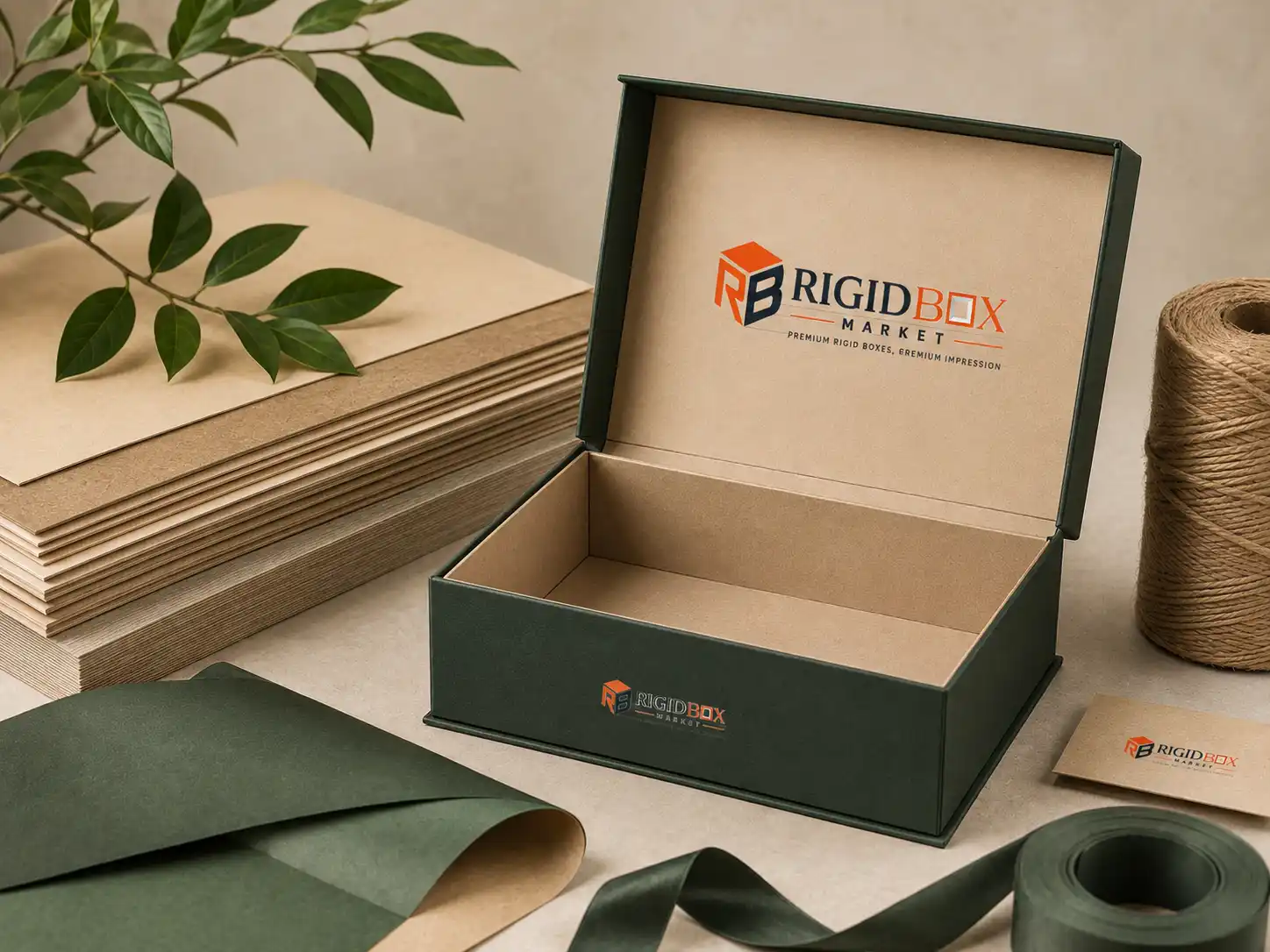
Die accuracy and heat calibration are what separate a crisp, evenly coated foil stamp from one with patchy coverage or blurred edges, and that quality is much harder to hold consistent across a large production run than it is on a single approved sample. Rigid Box Market calibrates foiling equipment to each specific job and holds that consistency across full production runs, so the crisp foil detail approved on a sample is what actually ships on every unit.
Share your design files, foil color preference, and order volume, and we’ll follow up with a free quote.