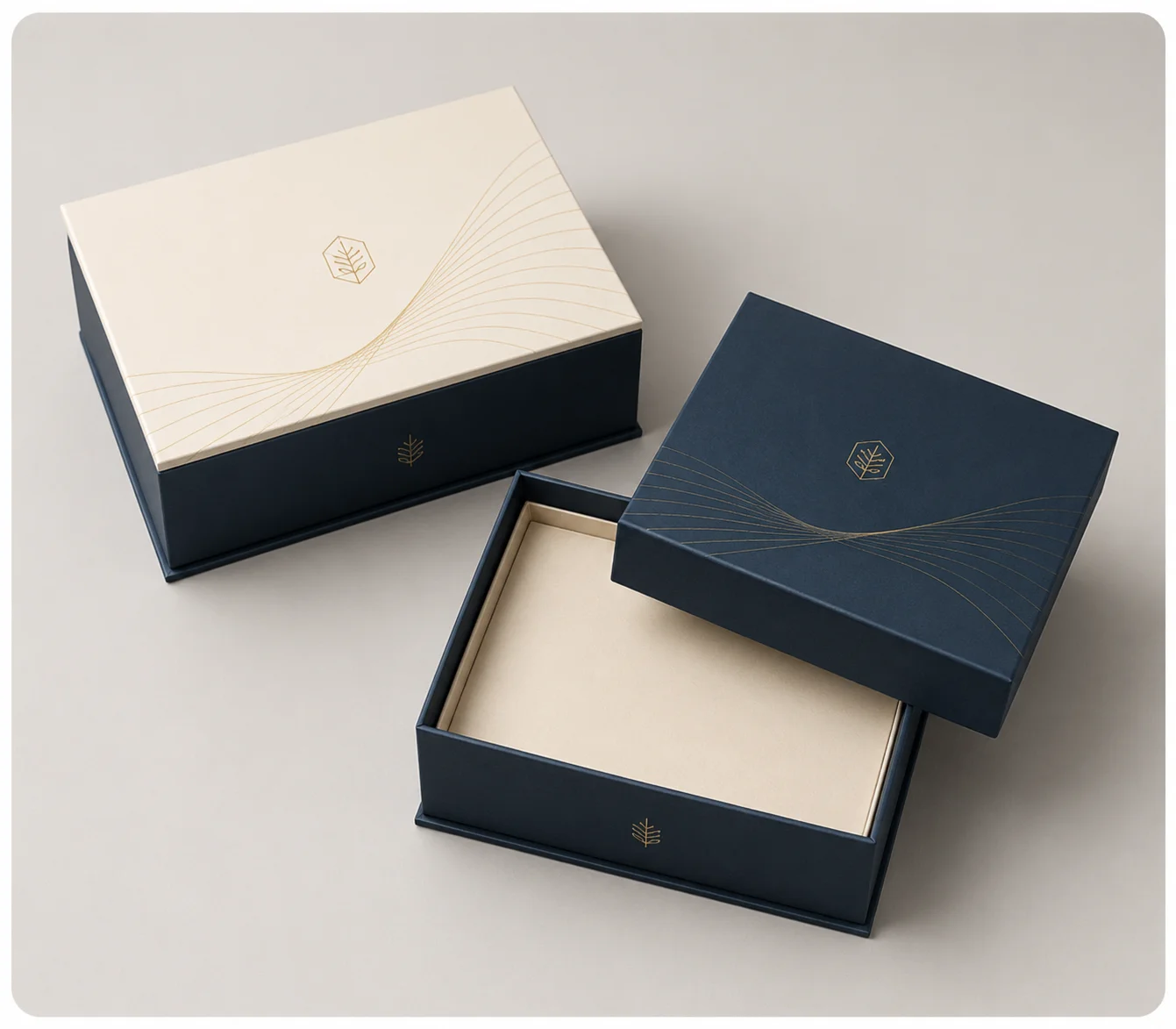
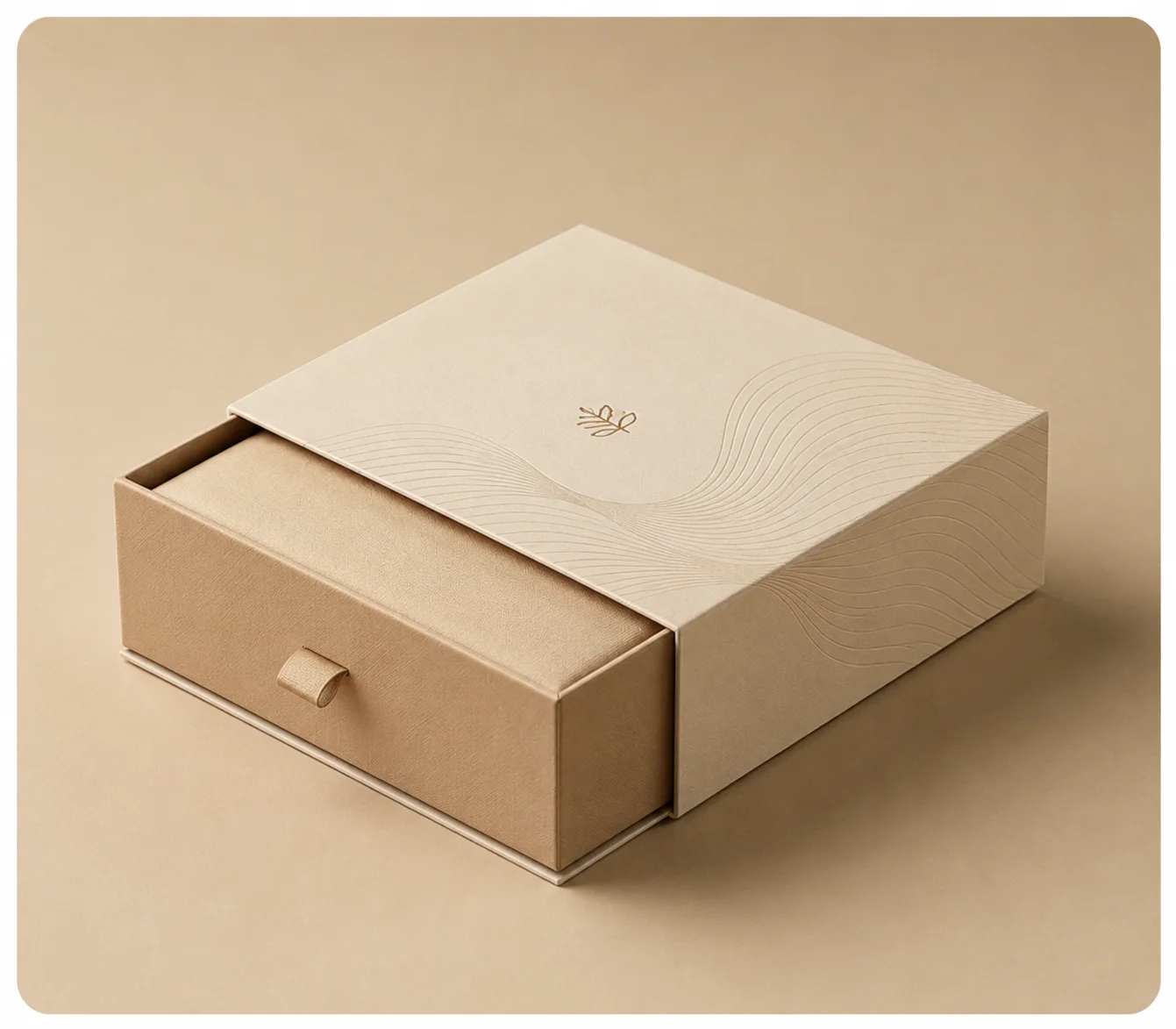
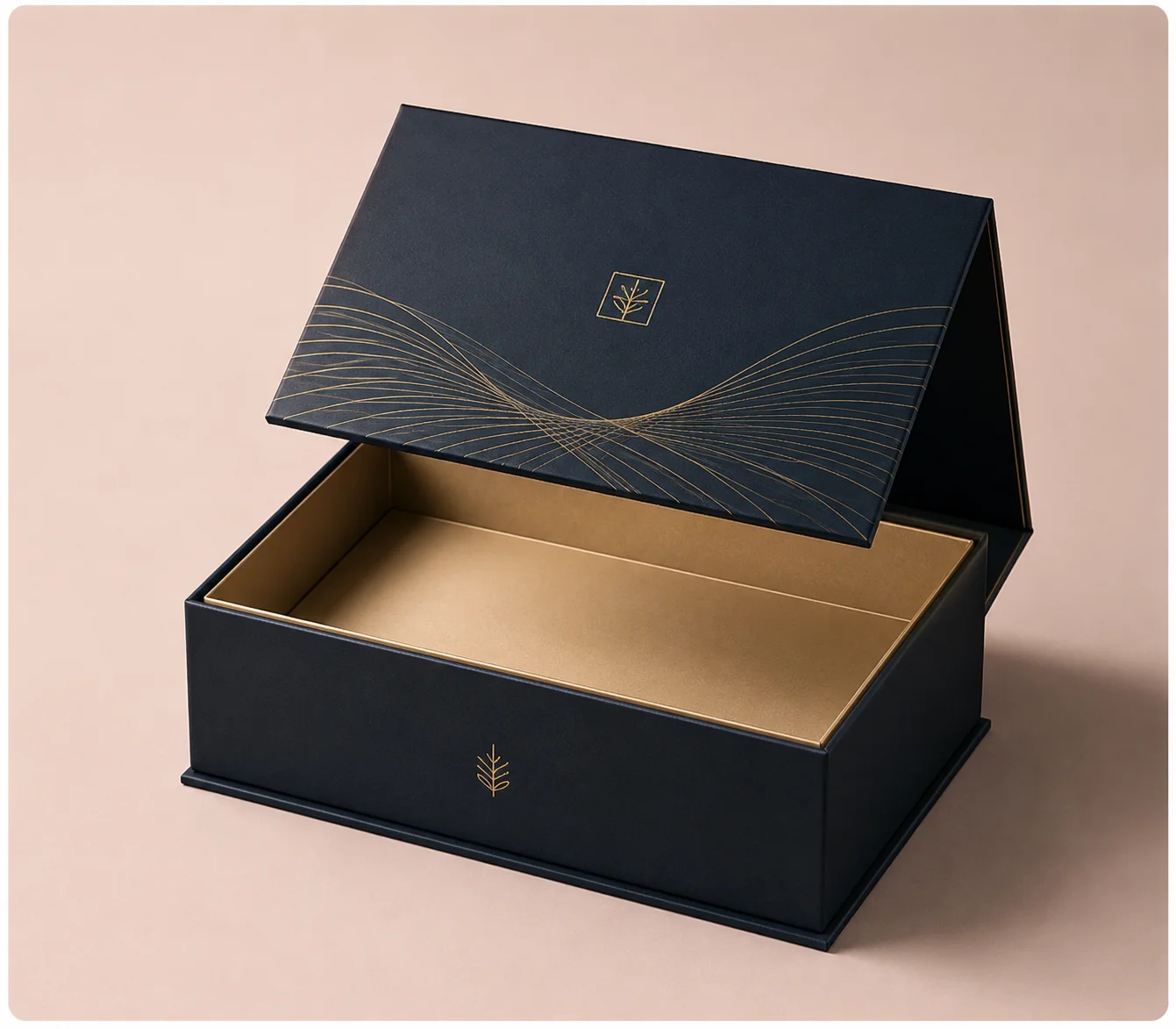
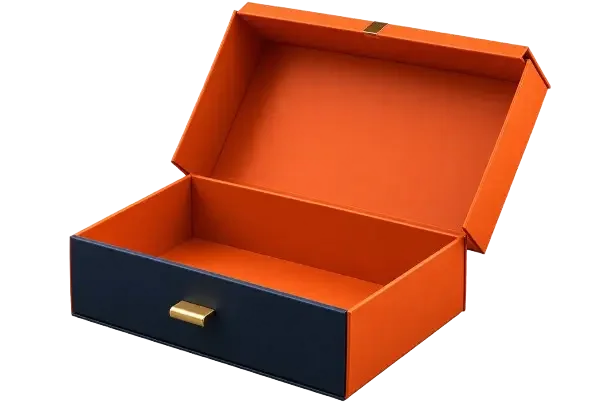
First Look
Camera rigid boxes protect equipment that combines real weight with genuinely precise optical components, which means this format has to balance two demands that don’t always pull in the same direction — enough structural strength to support a heavier body and lens combination, and enough cavity precision to avoid any pressure on delicate glass elements or electronic components. Professional photography equipment in particular represents a significant investment for most buyers, which raises the stakes on packaging quality well beyond what a typical consumer electronics category would require.
Protecting Precision Equipment
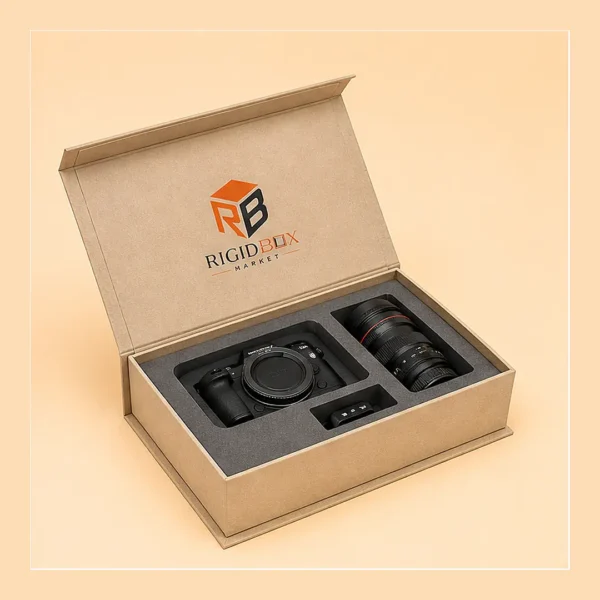
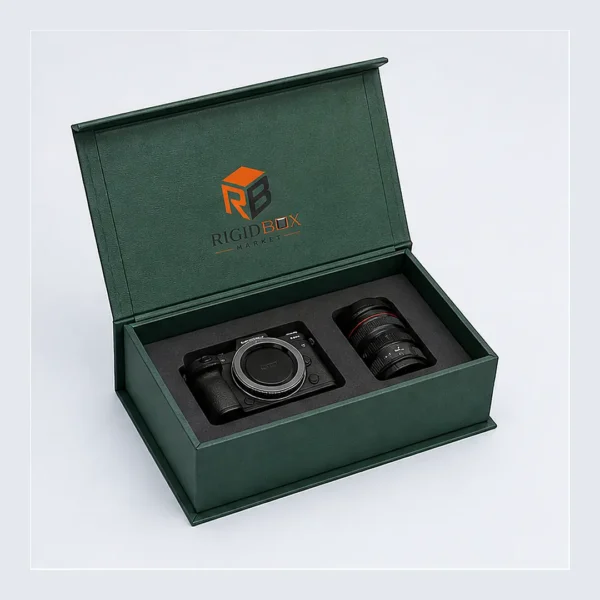
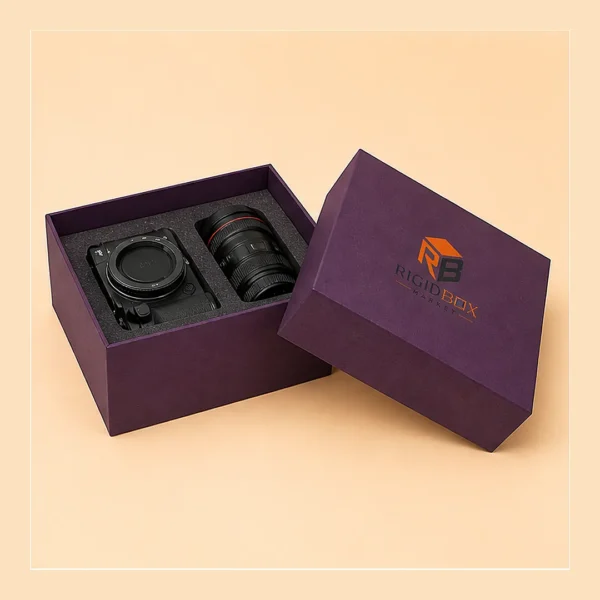
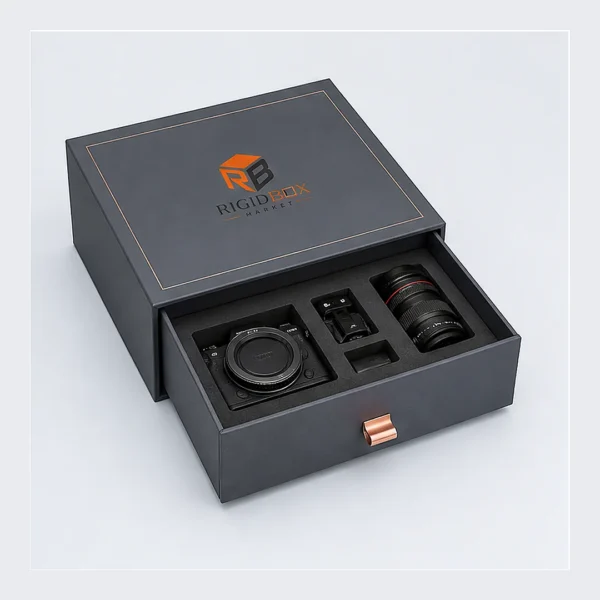
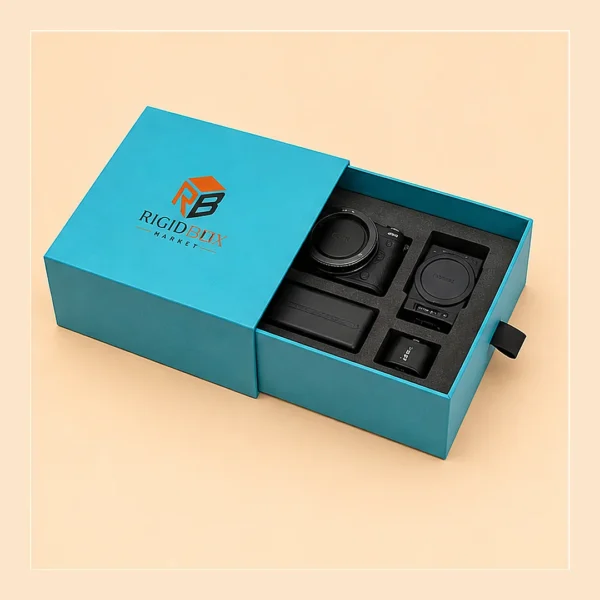
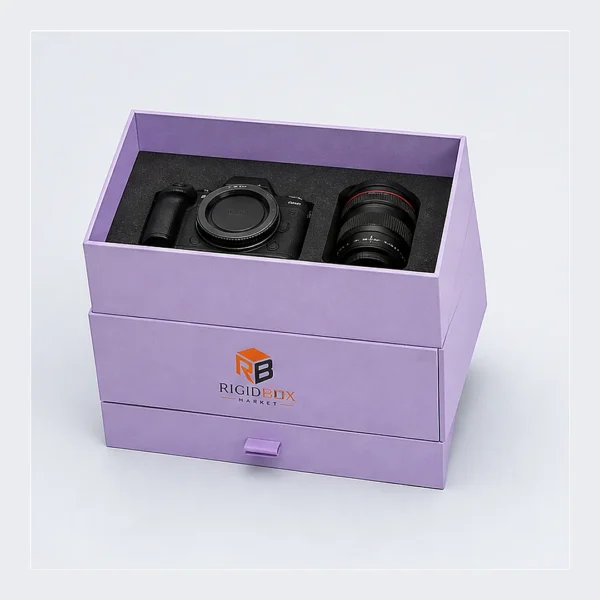
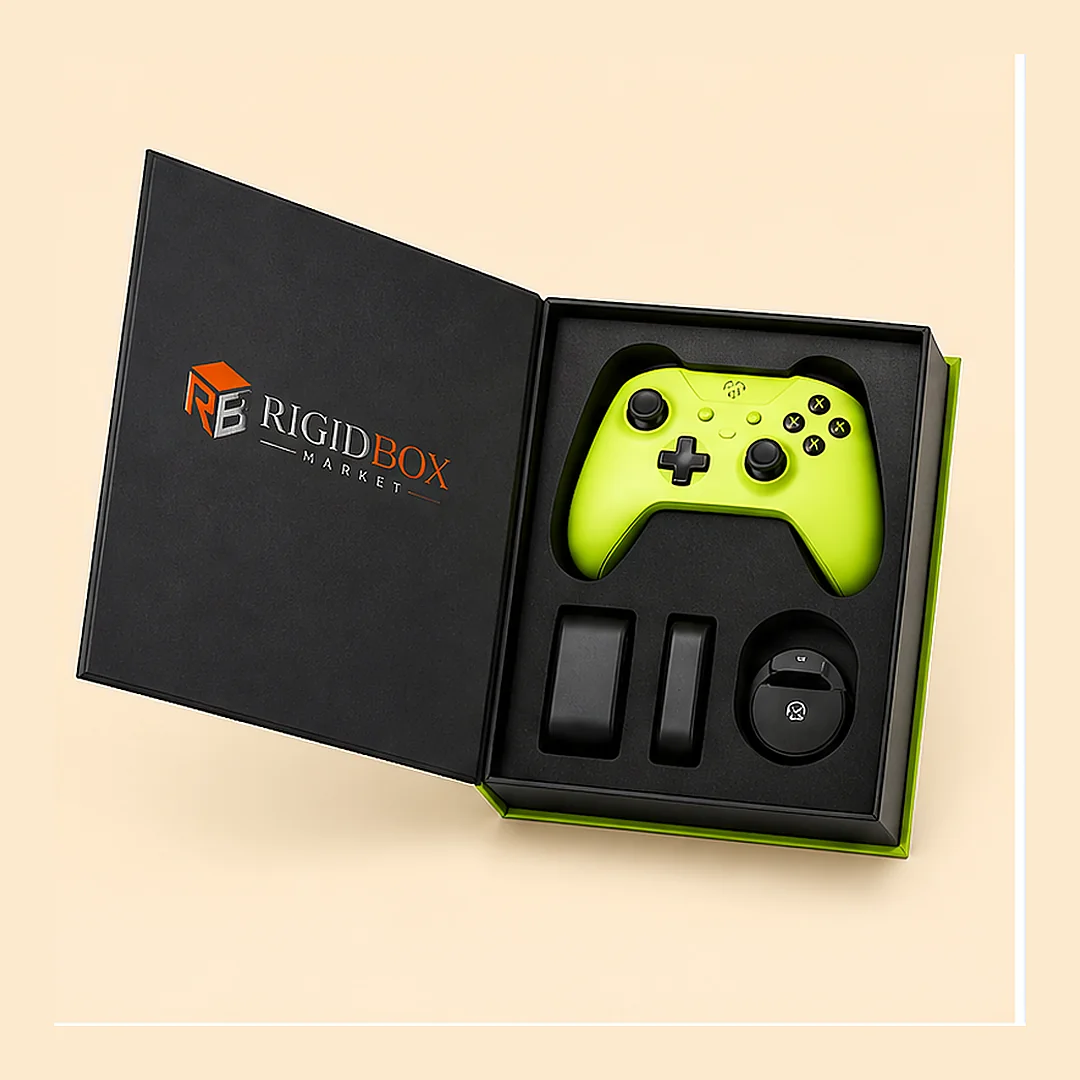
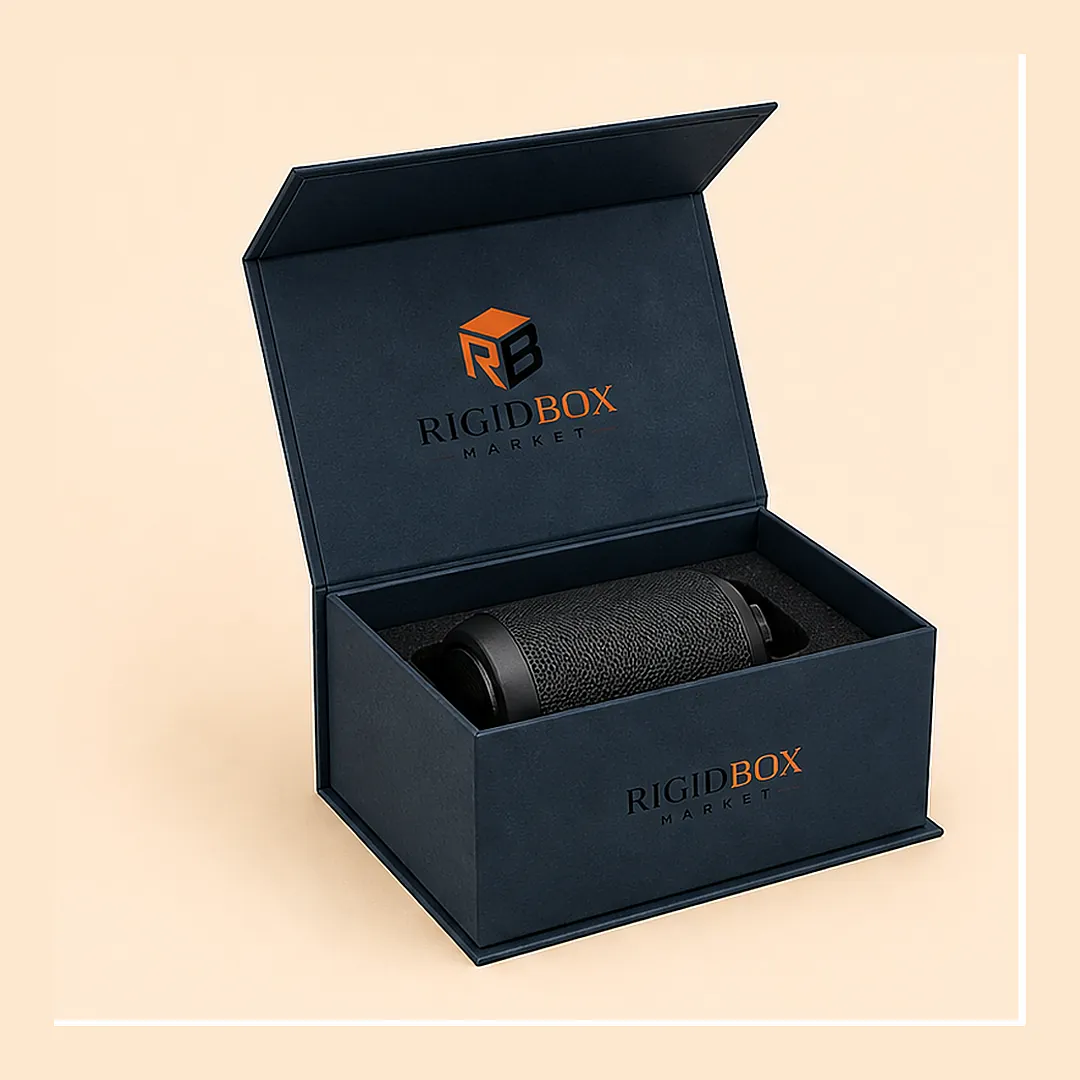
The shell uses reinforced rigid chipboard with wall thickness chosen against the combined weight of the camera body and any included lens, since camera equipment tends to be heavier than most other consumer electronics packaged in a comparable footprint. The interior insert, almost always a die-cut EVA foam cavity given the precision required, holds the body and lens in separate, fixed positions, with lens cavities in particular needing careful depth calibration so the lid doesn’t press against the front glass element or any protruding focus ring. Zoom lenses that extend during use present an added complication, since cavity depth needs to accommodate the lens in its fully retracted shipping position rather than its extended operating length. For camera kits shipping with multiple lenses, batteries, or accessories, multi-tier foam inserts are common, stacking components at different depths within the same box rather than spreading everything across one flat layer. Memory cards and small accessories, easy to overlook in a larger kit, benefit from their own small dedicated slot rather than being left loose within a larger compartment where they could shift or go missing.
Customization Options
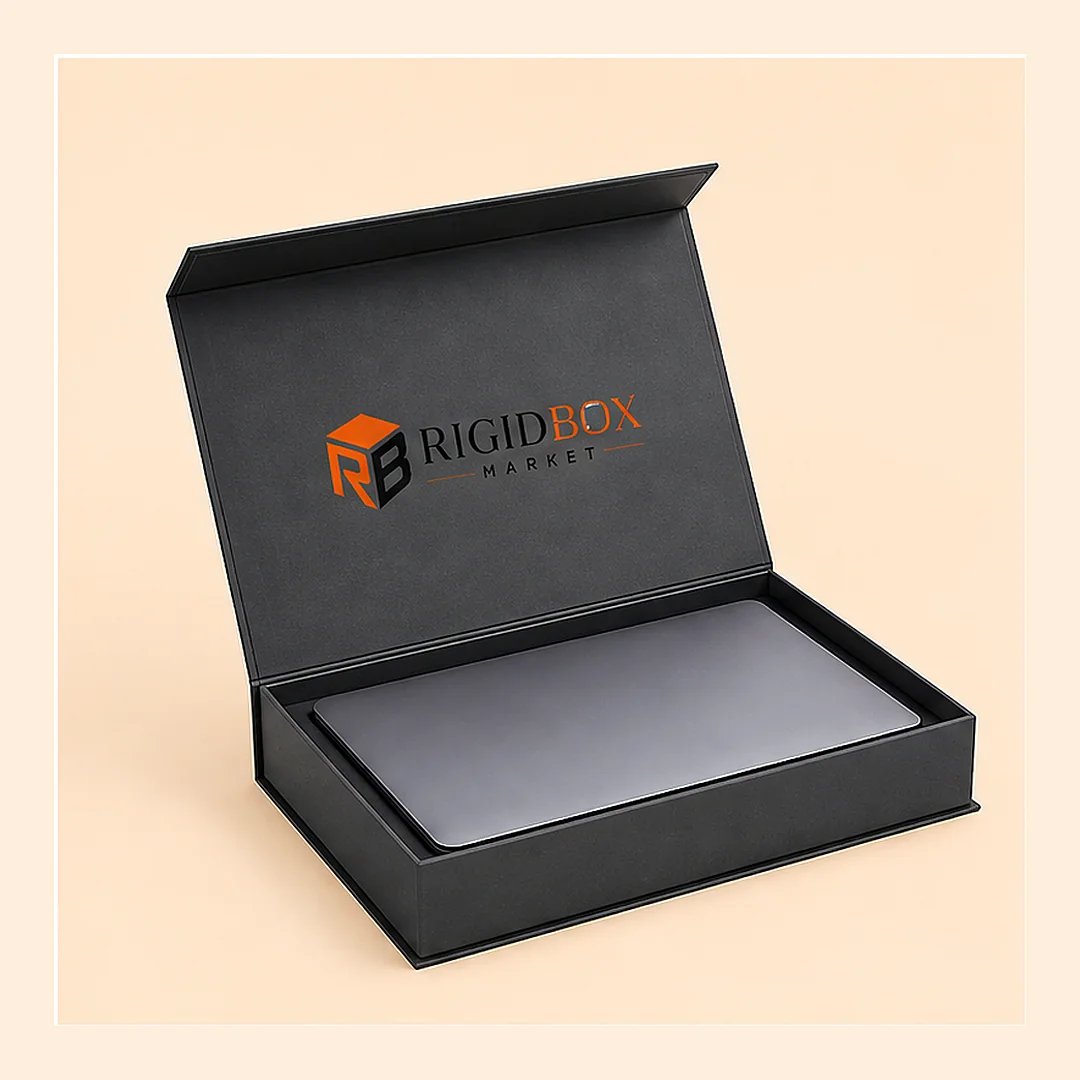
Cavity shape, depth, and compartment count can all be built to a specific camera body and lens combination, and multi-tier inserts are available for kits shipping multiple lenses or accessories. Body-only and body-plus-lens kits typically need separate cavity tooling entirely, since the two configurations differ enough in overall footprint that one design rarely serves both well. Standard exterior finishing includes foil stamping, embossing, debossing, spot UV, and matte, gloss, or soft touch lamination, and camera brands and retailers frequently favor a matte or soft touch exterior consistent with the understated, professional visual language common across photography equipment. Closures typically use a two piece or hinged lid, built sturdy enough to support the weight of a fully loaded camera kit.
- Precision EVA foam cavities for body, lens, and accessories
- Multi-tier inserts for kits with multiple lenses or components
- Depth calibration to protect front glass elements and focus rings
- Foil stamping, embossing, debossing, and spot UV finishing
- Matte, gloss, or soft touch lamination
Who It’s For
Camera brands and photography retailers rely on this format for both new and refurbished equipment, where cavity precision directly affects how confident a buyer feels about a piece of equipment representing a significant purchase. Rental and equipment leasing companies use a more durable, reusable version of this format, since their boxes need to withstand repeated shipping cycles rather than a single one-way delivery. Photography accessory brands, including lens and filter manufacturers, also depend on this format for products meant to complement a customer’s existing camera system, where packaging quality reassures a buyer investing in equipment meant to pair with gear they may have spent considerably more on already.
Sourcing at Scale With Rigid Box Market
Foam cavity precision is the detail that separates camera packaging that genuinely protects expensive equipment from packaging that merely looks protective, and getting lens clearance wrong risks direct contact with the most fragile, most expensive component in the entire kit. Rigid Box Market builds cavity tooling to each specific body and lens combination and holds that precision consistent across full production runs.
A note on whether your kit ships body-only or with a lens attached helps us plan cavity tooling correctly from the start. Share your camera and lens dimensions, kit composition, and order volume, and we’ll follow up with a free quote.