Overview
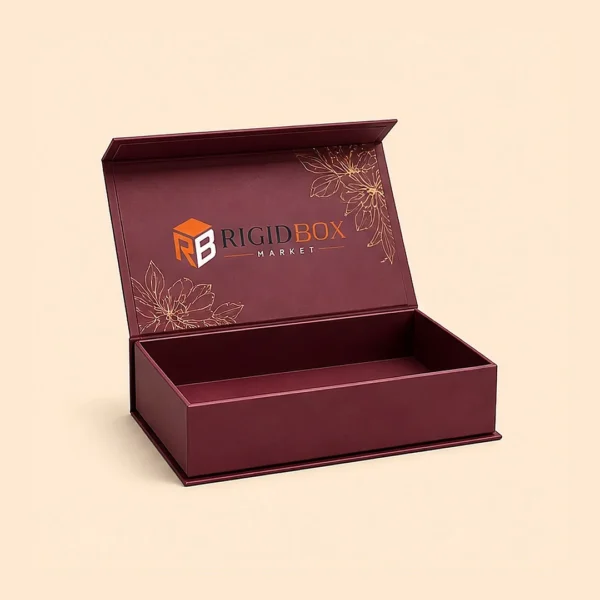
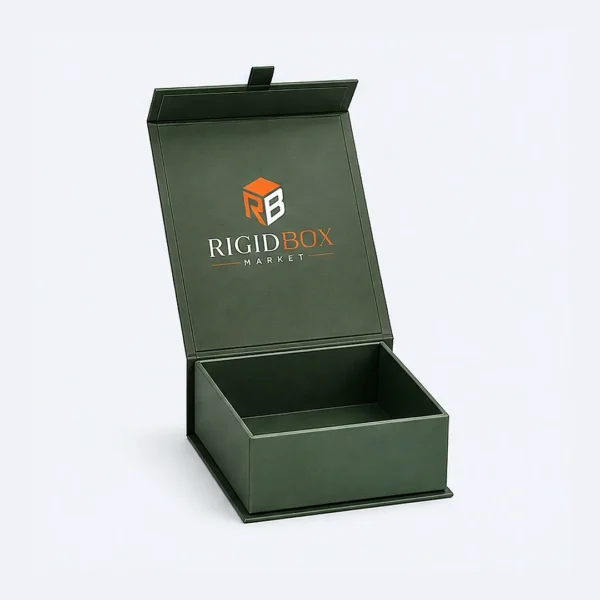
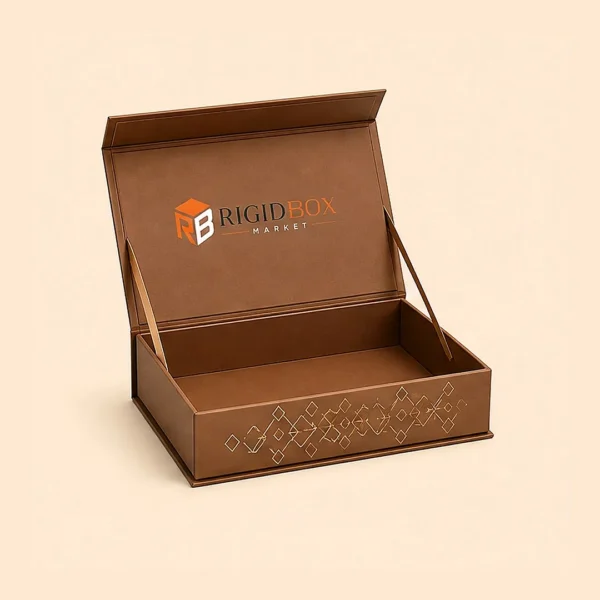
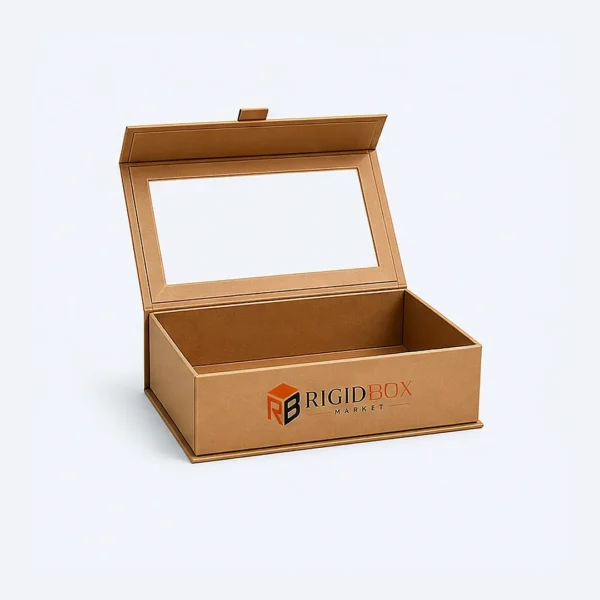
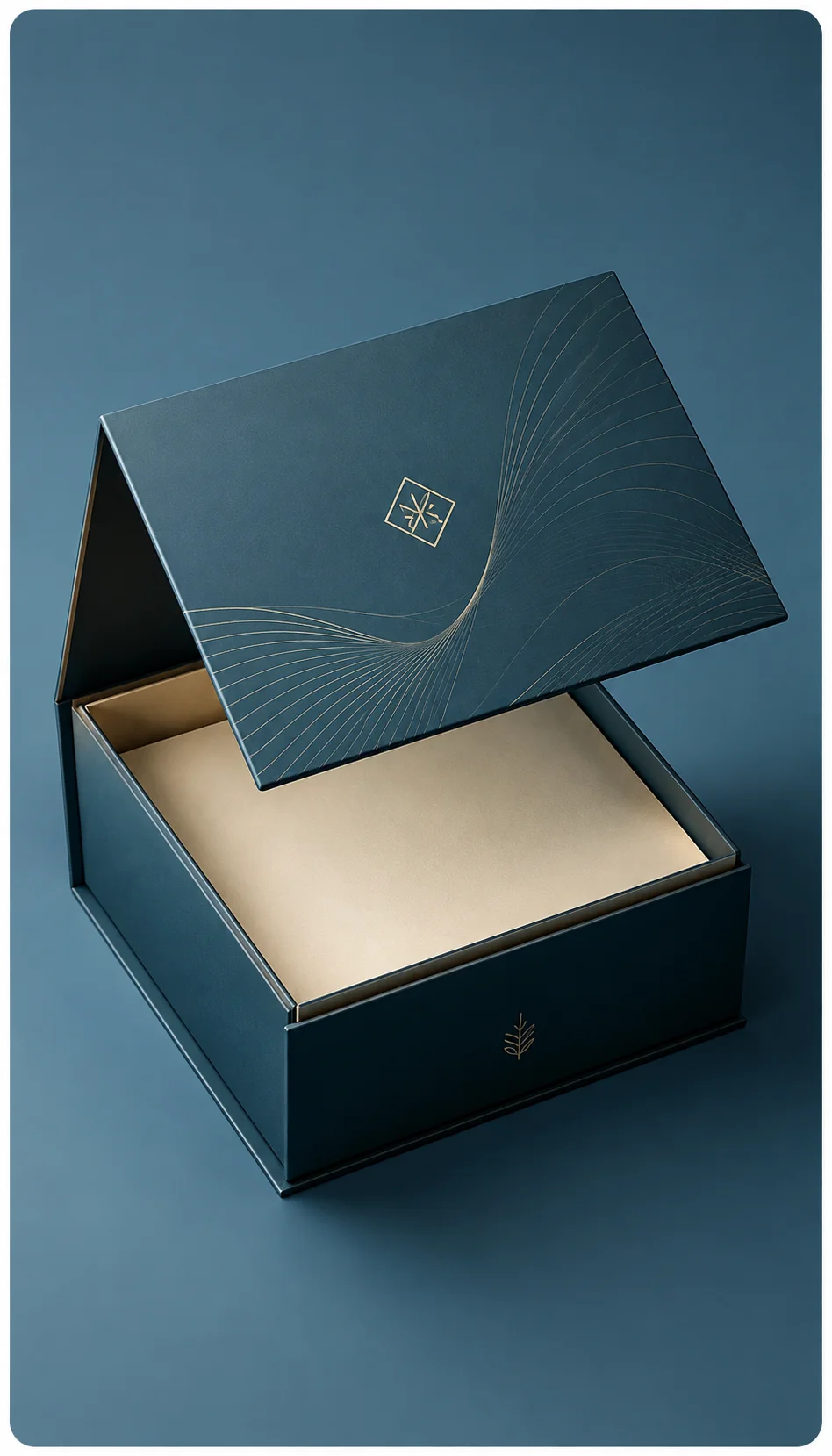
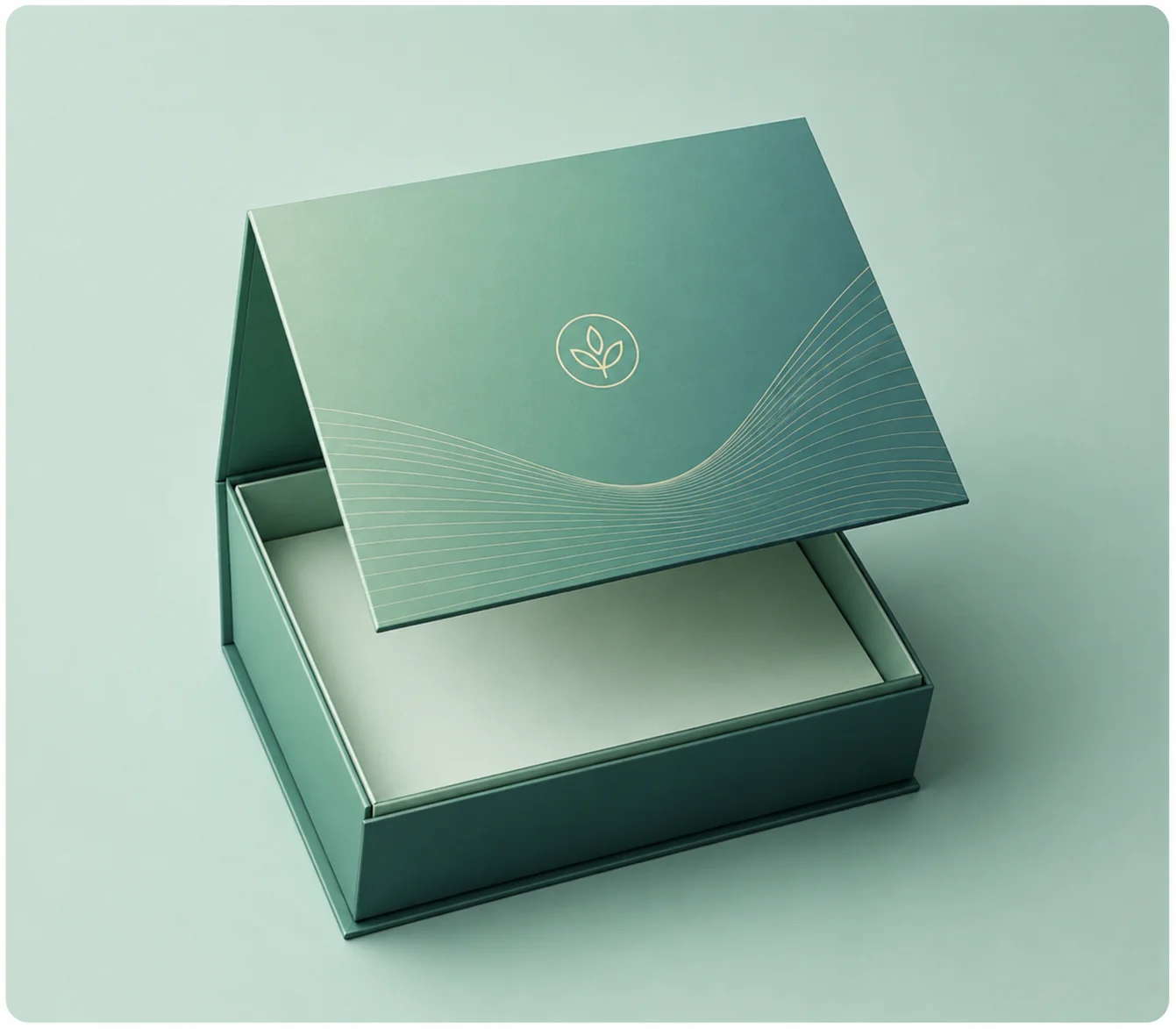
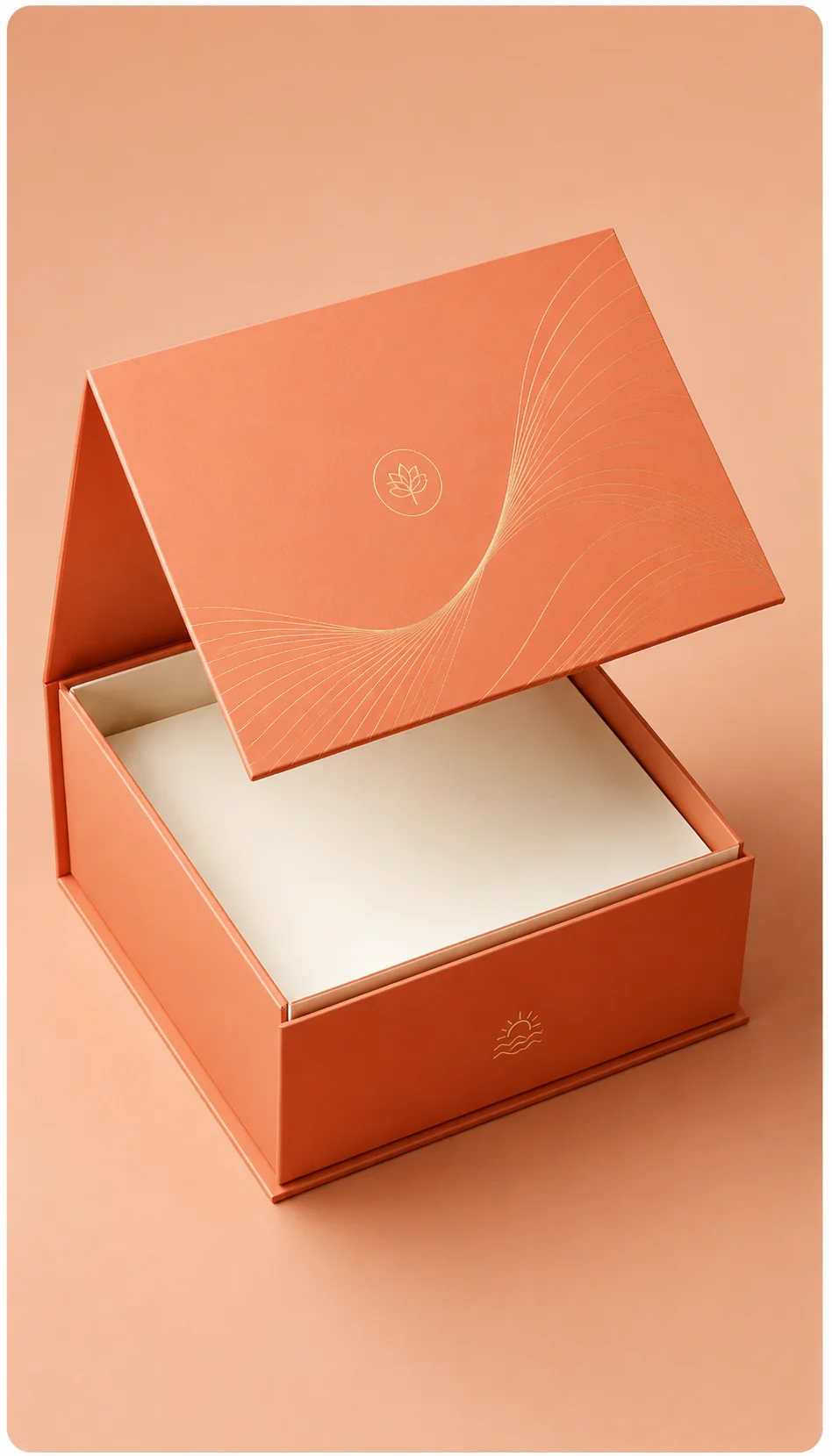
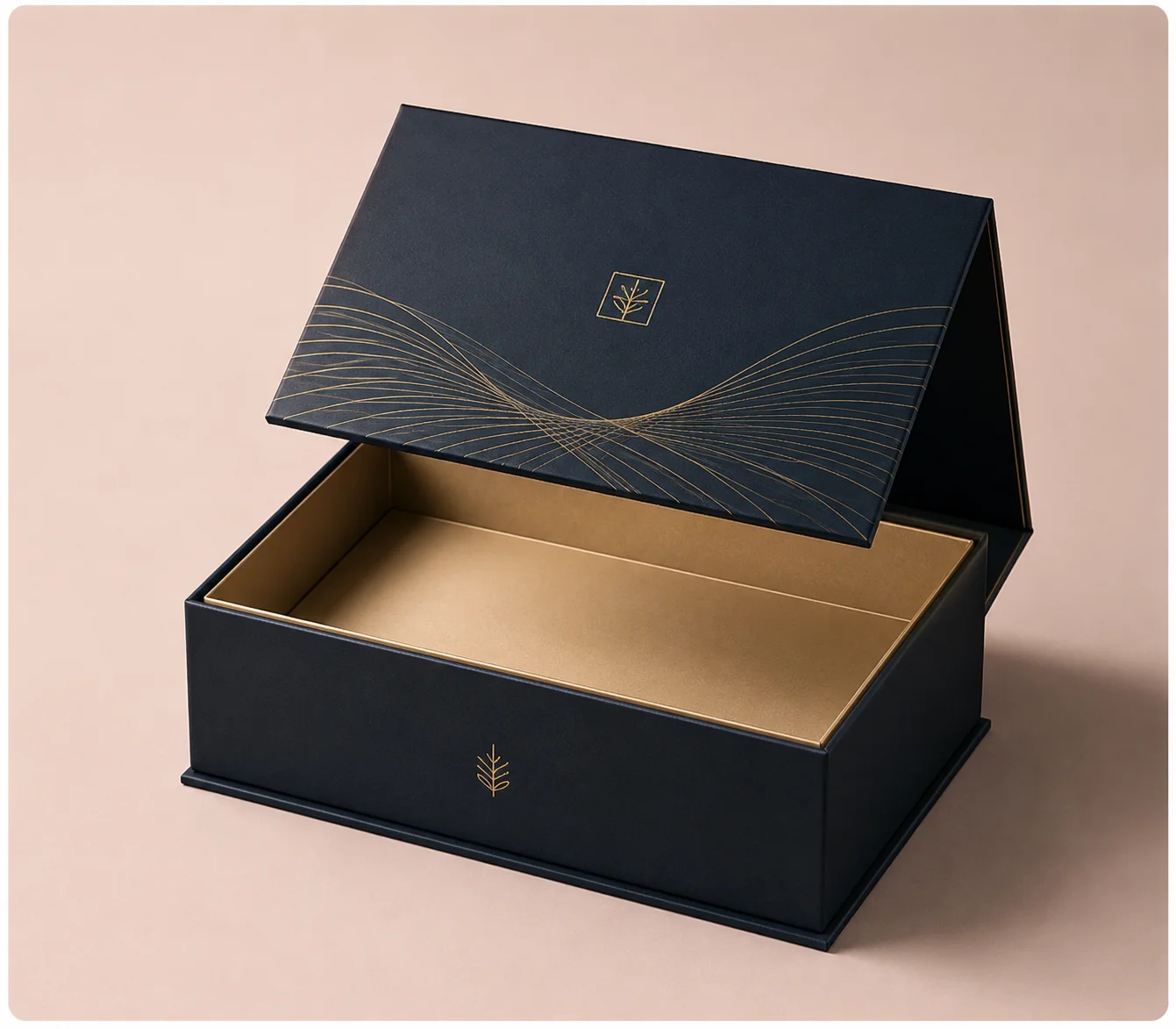
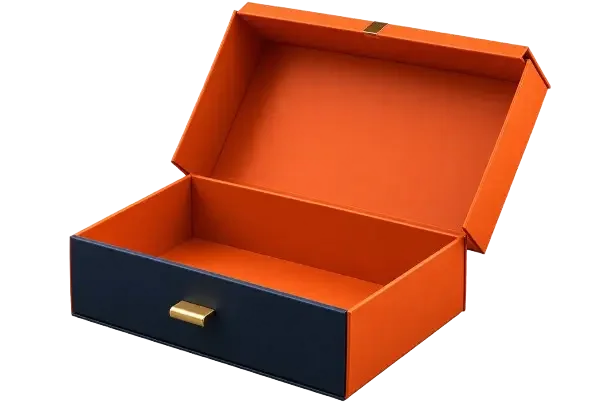
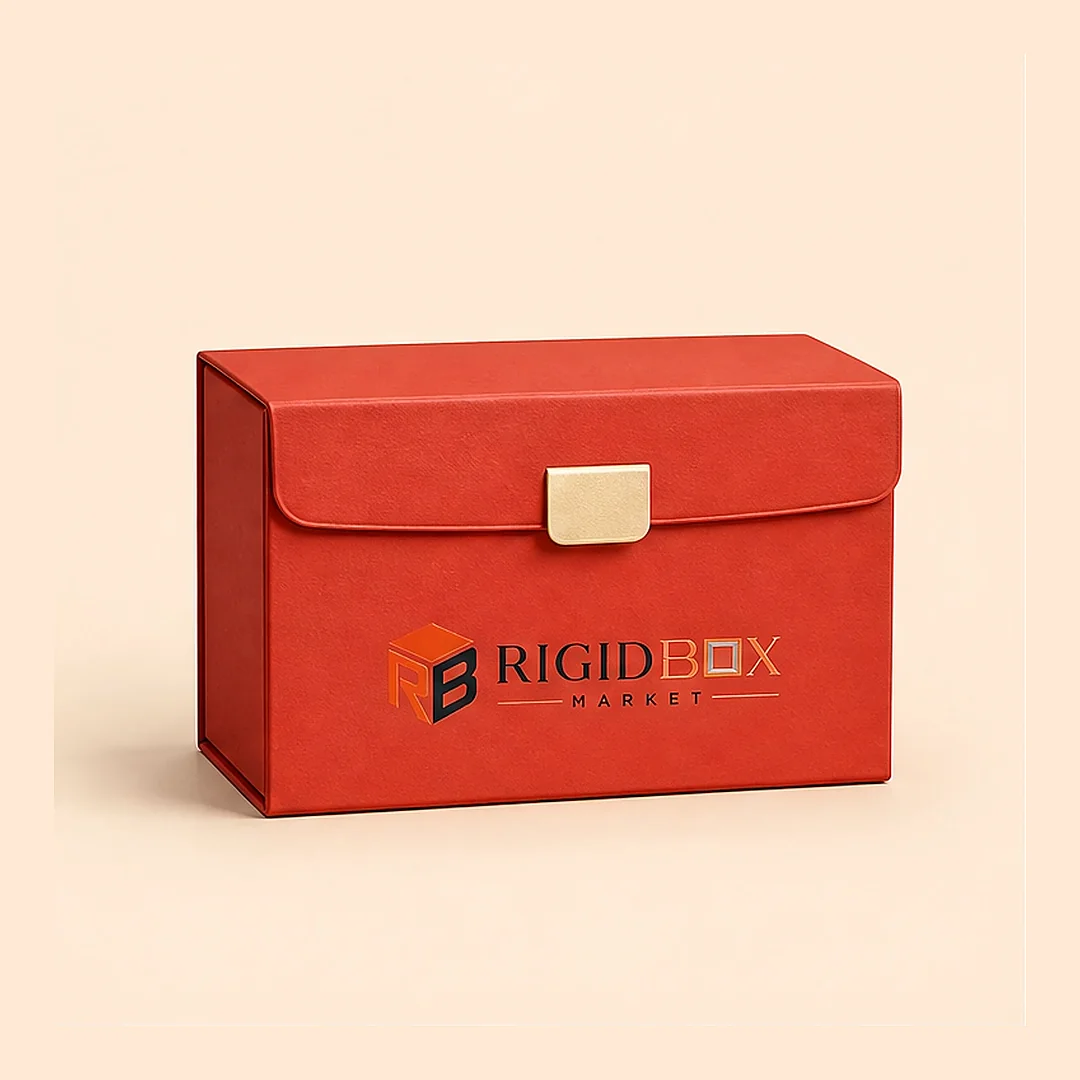
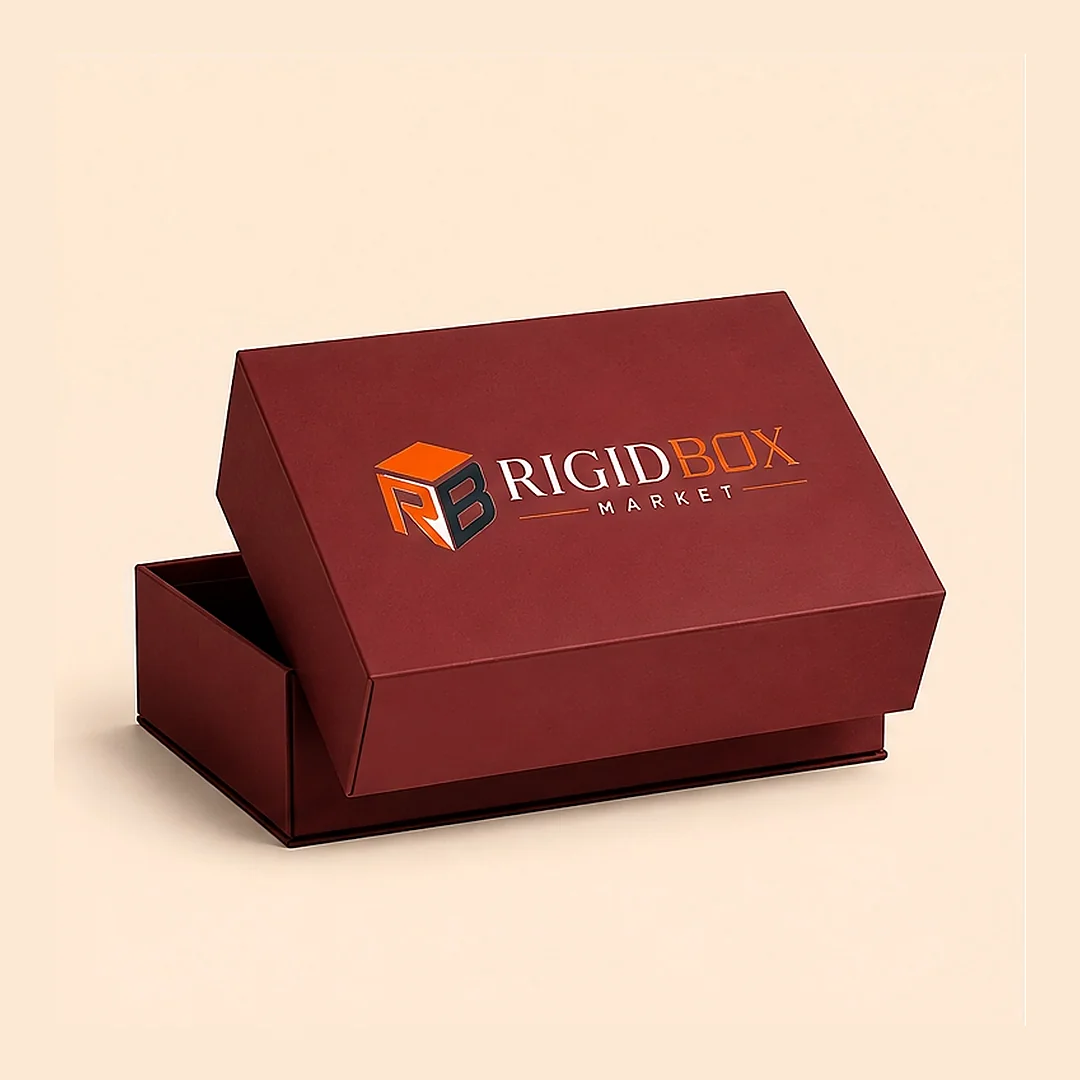
A hinged lid rigid box keeps its lid permanently attached to the base along one edge, rather than separating into two independent pieces the way a standard two piece box does. The lid lifts open and stays connected, which means there’s no loose lid to misplace and no risk of mismatching a lid to the wrong base during packing or reuse — a small practical advantage that matters more than it sounds like it should once a box is out of the factory and in a customer’s hands. It also simplifies packing lines, since staff aren’t matching separate lids and bases from different bins during assembly.
Engineered for Durability
The hinge itself is the structural detail that defines this format, and it’s typically built with a cloth tape or reinforced paper strip running the width of the box, glued across the inside seam between lid and base. That reinforcement is what allows the box to open and close repeatedly without the hinge point cracking or separating — a plain paper fold alone won’t hold up to more than a handful of openings. The reinforcement strip is applied before the final wrap is glued down, so it’s fully hidden in the finished box rather than showing as a visible seam. The chipboard core follows the same general wall-thickness principles as other rigid formats, sized to the product’s weight, and because the lid stays attached, the overall structure tends to feel more solid in hand than a two piece box of comparable size. That solidity is partly perception and partly physics — a connected structure simply flexes less than two pieces resting against each other.
Tailored to Your Brand
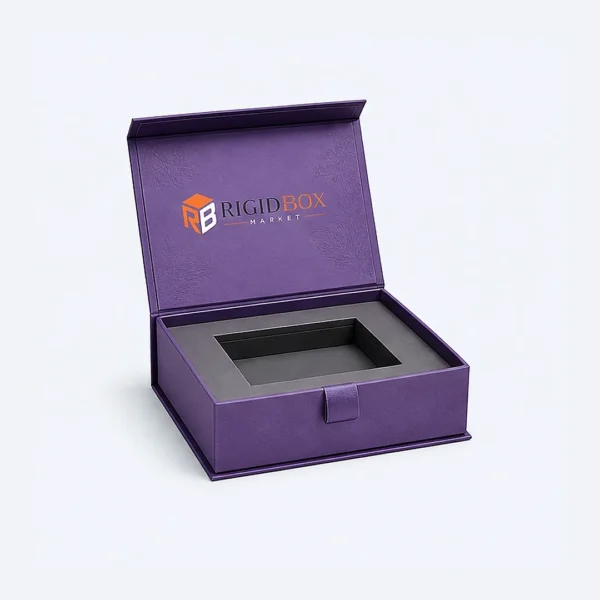
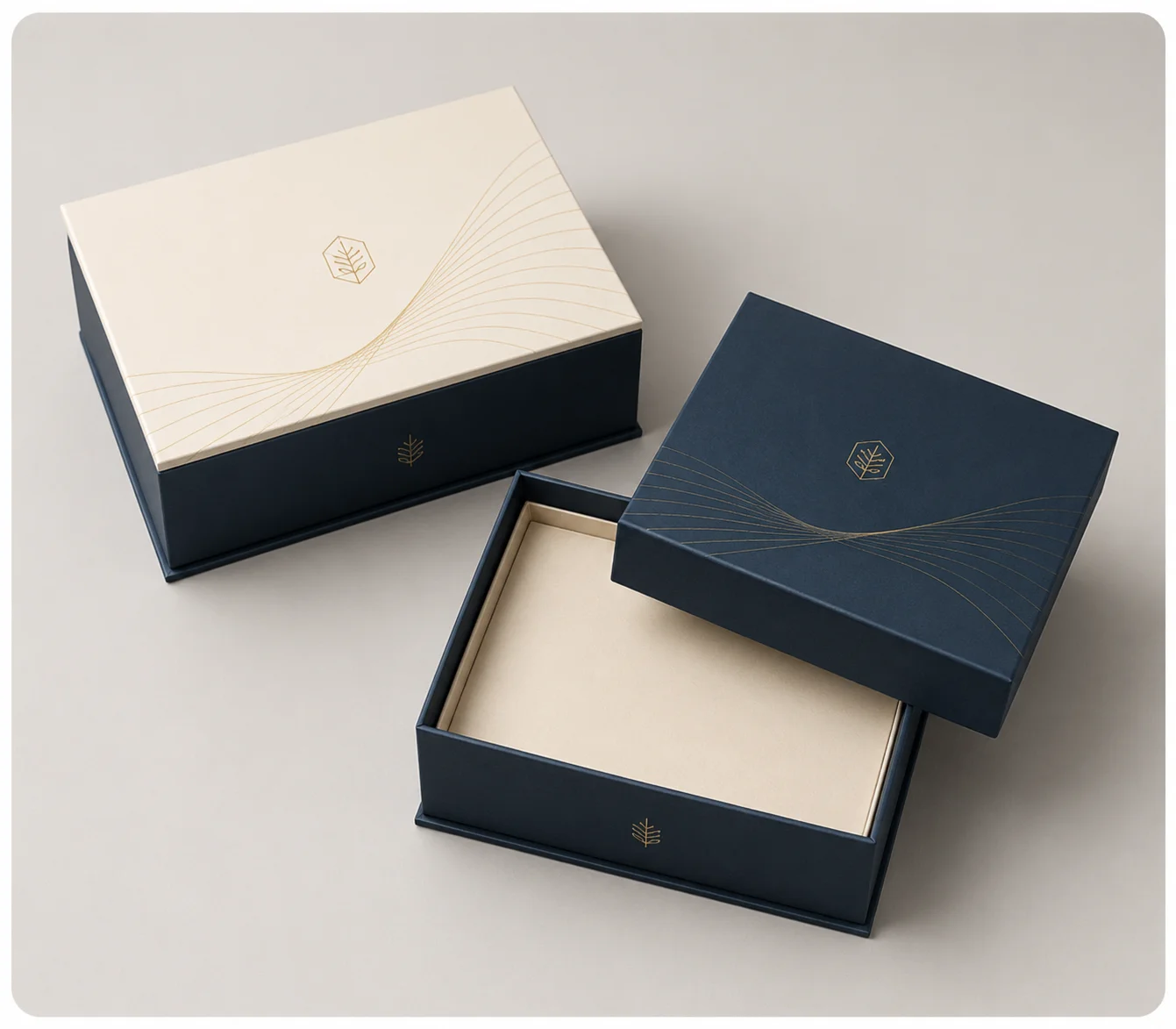
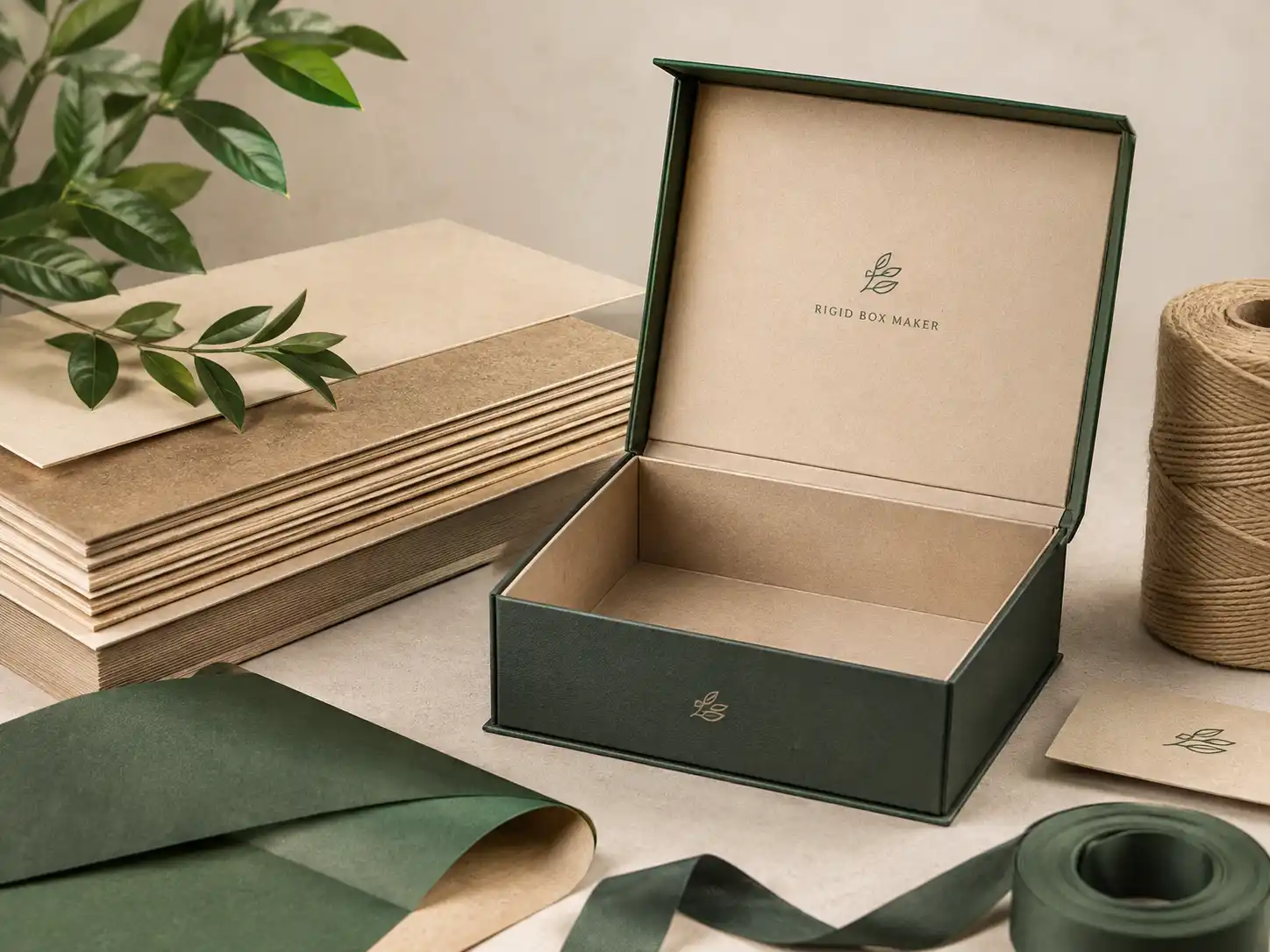
Because the hinge runs along one specific edge, brands have a choice about where that edge sits relative to the product inside — a hinge along the long side opens like a book, while a hinge along the short side opens more like a clamshell, and each reads slightly differently depending on the product. Standard finishing includes foil stamping, embossing, debossing, spot UV, and matte, gloss, or soft touch lamination. Interior fit-outs — foam, paperboard platforms, or fabric-wrapped trays — can be built into the base, and the underside of the lid is often used as an additional printed surface since it’s the first thing a customer sees when the box opens. A short printed message, a care card, or a secondary logo treatment on that inner lid surface is a low-cost way to add a second branding moment without any change to the box’s structure.
- Reinforced hinge built for repeated opening without cracking
- Choice of hinge placement along the long or short edge
- Foil stamping, embossing, debossing, and spot UV finishing
- Printed interior lid surface as an additional branding space
- Foam, paperboard, or fabric-wrapped base inserts
Who Uses This Box
Cosmetics and jewelry brands lean on this format specifically because customers tend to reopen these boxes after the first use — a jewelry box that gets reused for storage or a cosmetics box a customer keeps on a vanity both benefit from a lid that stays attached rather than one that can be lost. That second life as a keepsake object is part of why brands in these categories invest more in the interior finish than they might for a box meant to be opened once and discarded. Retail brands packaging anything meant to be handled multiple times before or after purchase — samples at a counter, product demos — also favor this format for the same practical reason, since a lid that separates from its base is more likely to get lost or swapped between products on a busy counter.
Sourcing at Scale With Rigid Box Market
Hinge durability is the one detail in this format that’s genuinely hard to fake with a shortcut — a weak hinge reinforcement might pass an initial inspection and still fail after real-world handling. Rigid Box Market builds the hinge reinforcement into standard production rather than treating it as an optional upgrade, so durability doesn’t vary between a small test order and a full wholesale run, order after order.
Send us your box dimensions and order quantity and we’ll have a free quote back to you shortly.