Overview
Beer rigid boxes have to accommodate two meaningfully different container types under one general format — bottles and cans behave differently in terms of weight distribution, breakage risk, and cavity shape, and a box built primarily around one doesn’t always translate cleanly to the other without some adjustment. Craft breweries in particular often package the same beer in both formats depending on the release, which means packaging built to handle only one container type limits a brewery’s flexibility later on.
Built for Bottles and Cans Alike
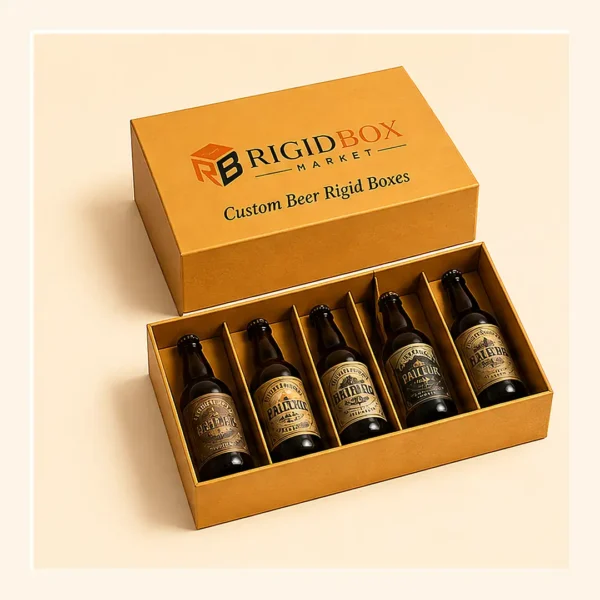
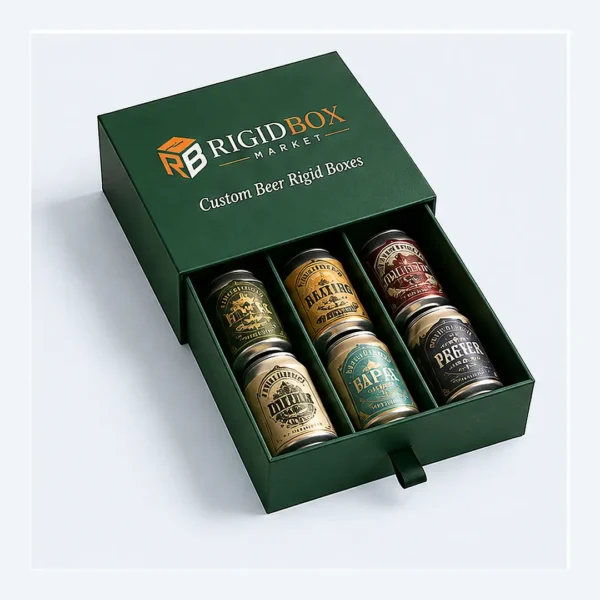
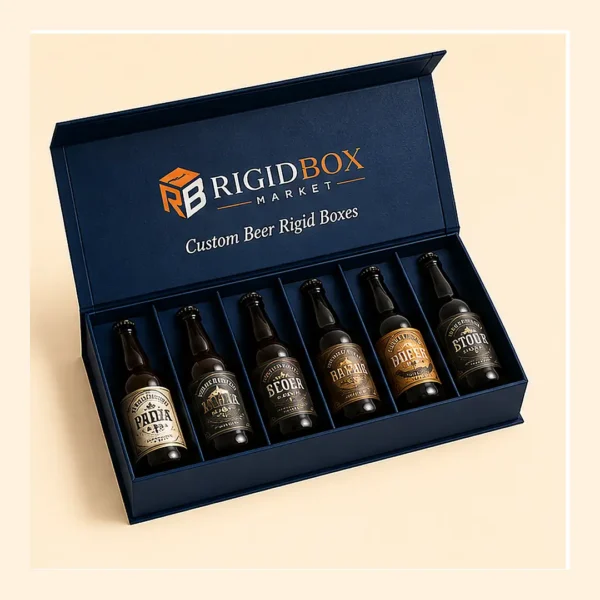
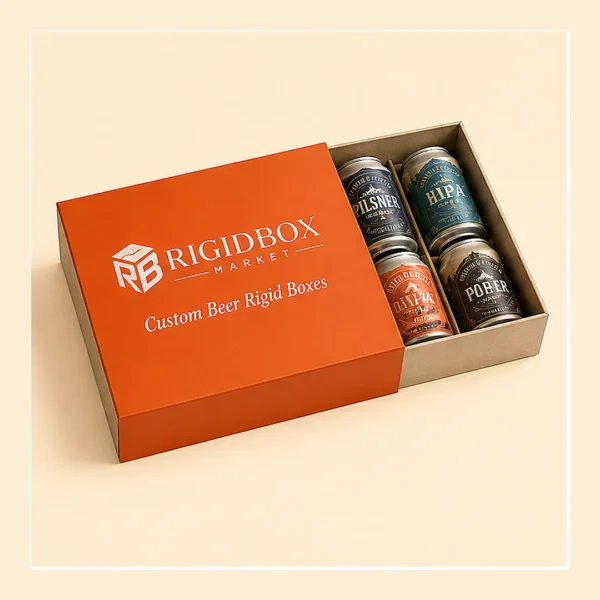
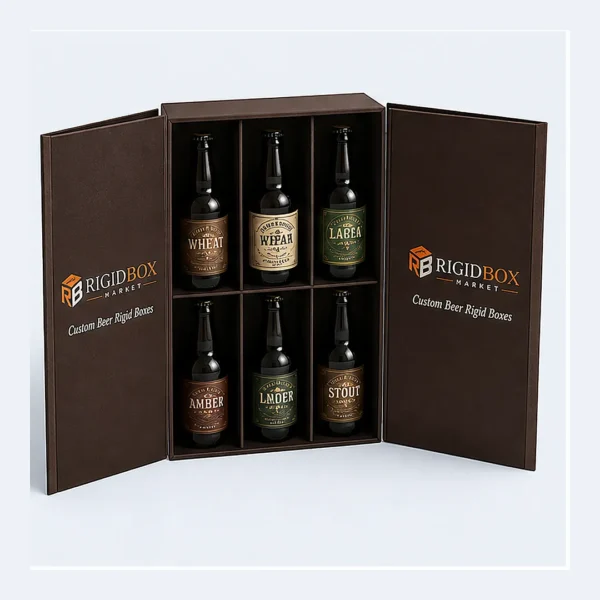
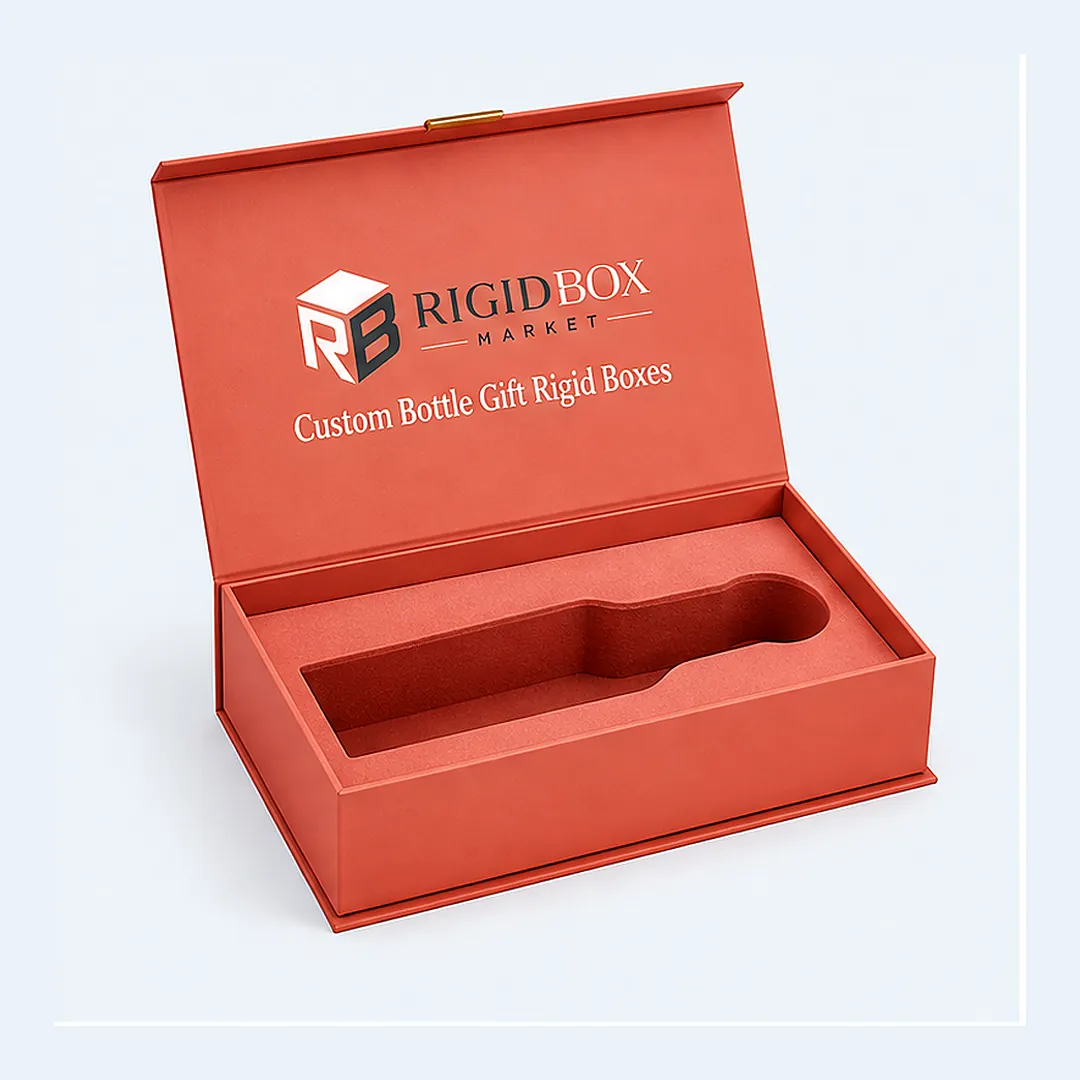
The shell uses rigid chipboard construction, and interior compartments, typically divided paperboard or foam cavities, are shaped differently depending on whether the box is holding bottles or cans — bottles generally need a taller, narrower cavity with some cushioning against glass-to-glass contact, while cans, being more structurally rigid on their own, need less cushioning but benefit from a snug-fitting cavity that prevents them from denting against each other during transit. A dented can, while not a breakage risk the way a cracked bottle is, still reads as damaged goods to most customers, which makes cavity snugness worth taking seriously even for the sturdier container type. Mixed format sets, combining both bottles and cans from the same brewery’s range, need cavities built to each container’s specific dimensions within one shared compartment grid rather than a single uniform cavity size. Can sizes themselves aren’t fully standardized either, with slim and standard can diameters both common across the craft beer market, adding a further variable to compartment planning. Compartment count generally follows the tasting flight or variety pack format common in craft beer retail, from a simple four-pack up to a larger mixed case. Seasonal and limited-release variety packs tend to be the most common use case for this format specifically, since they benefit most from packaging that reads as a curated collection rather than a standard case.
Customization Options
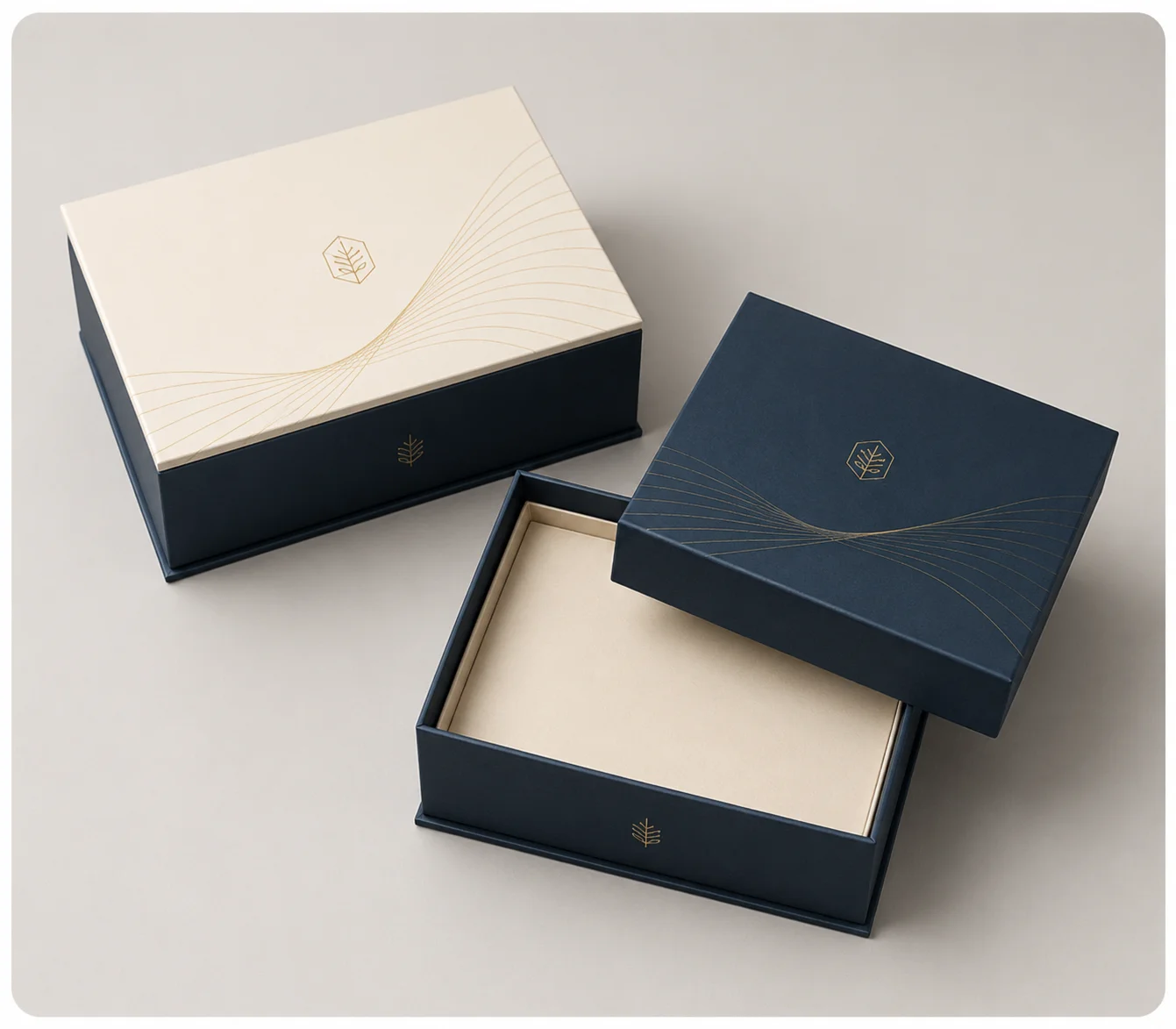
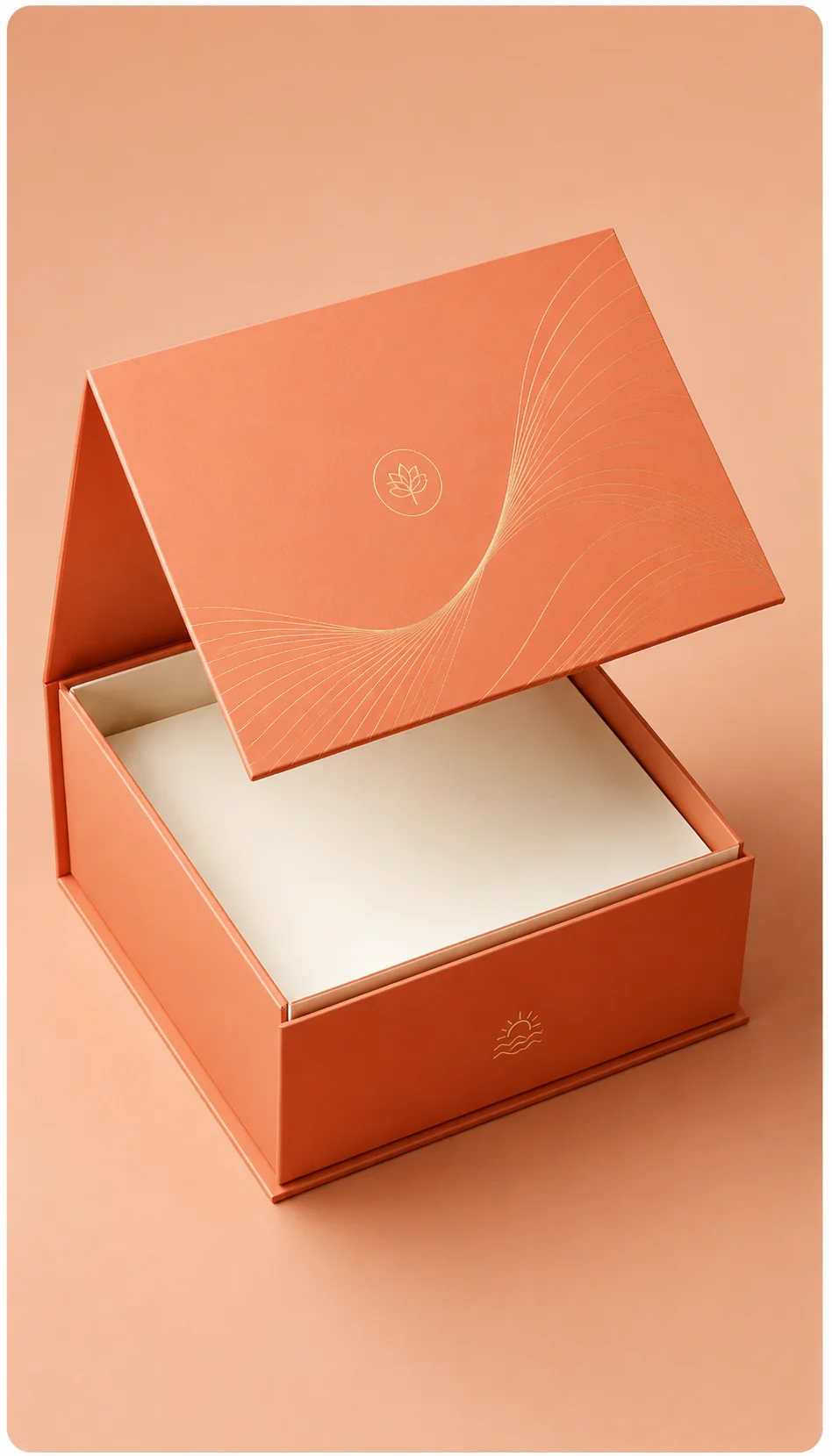
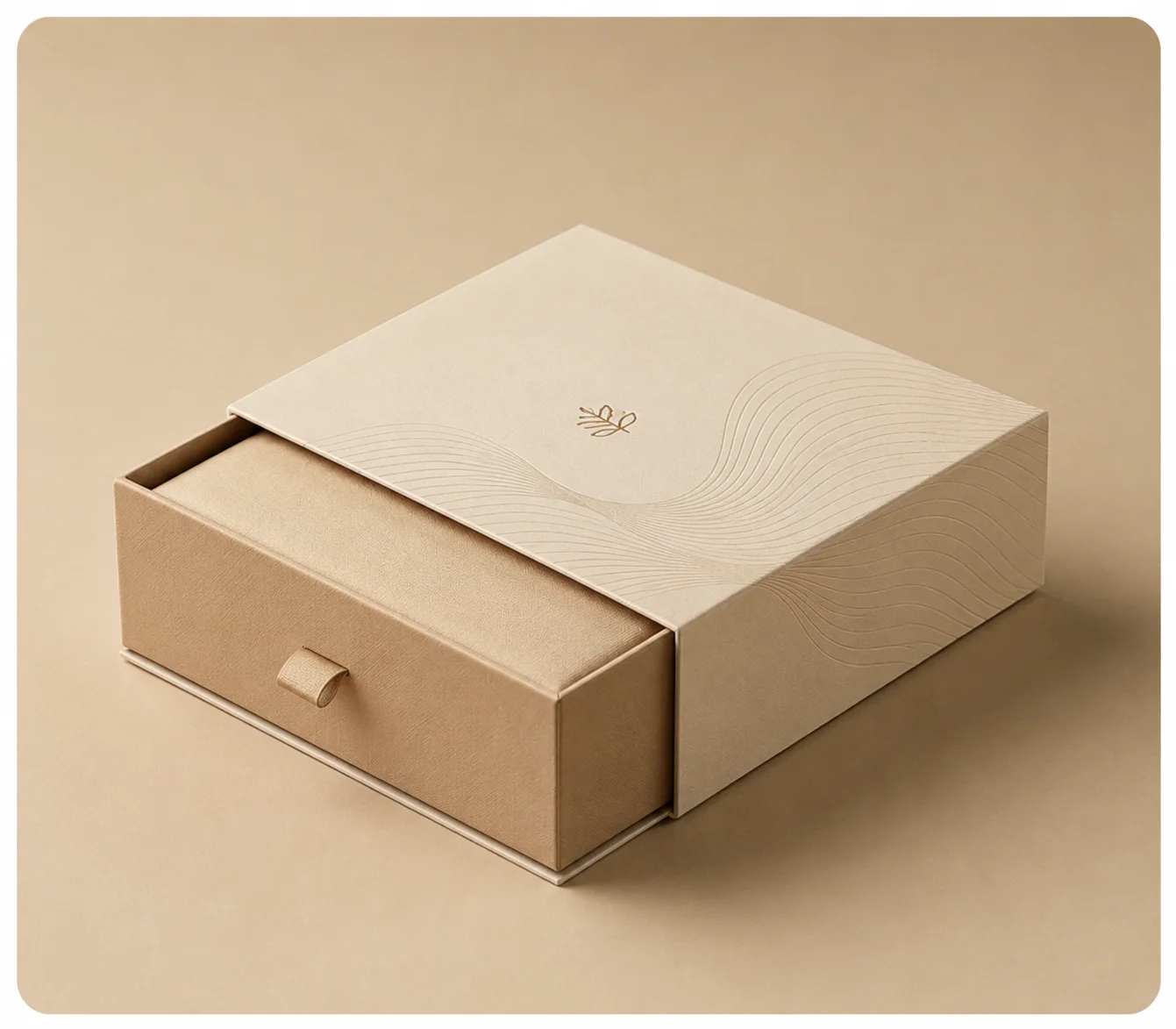
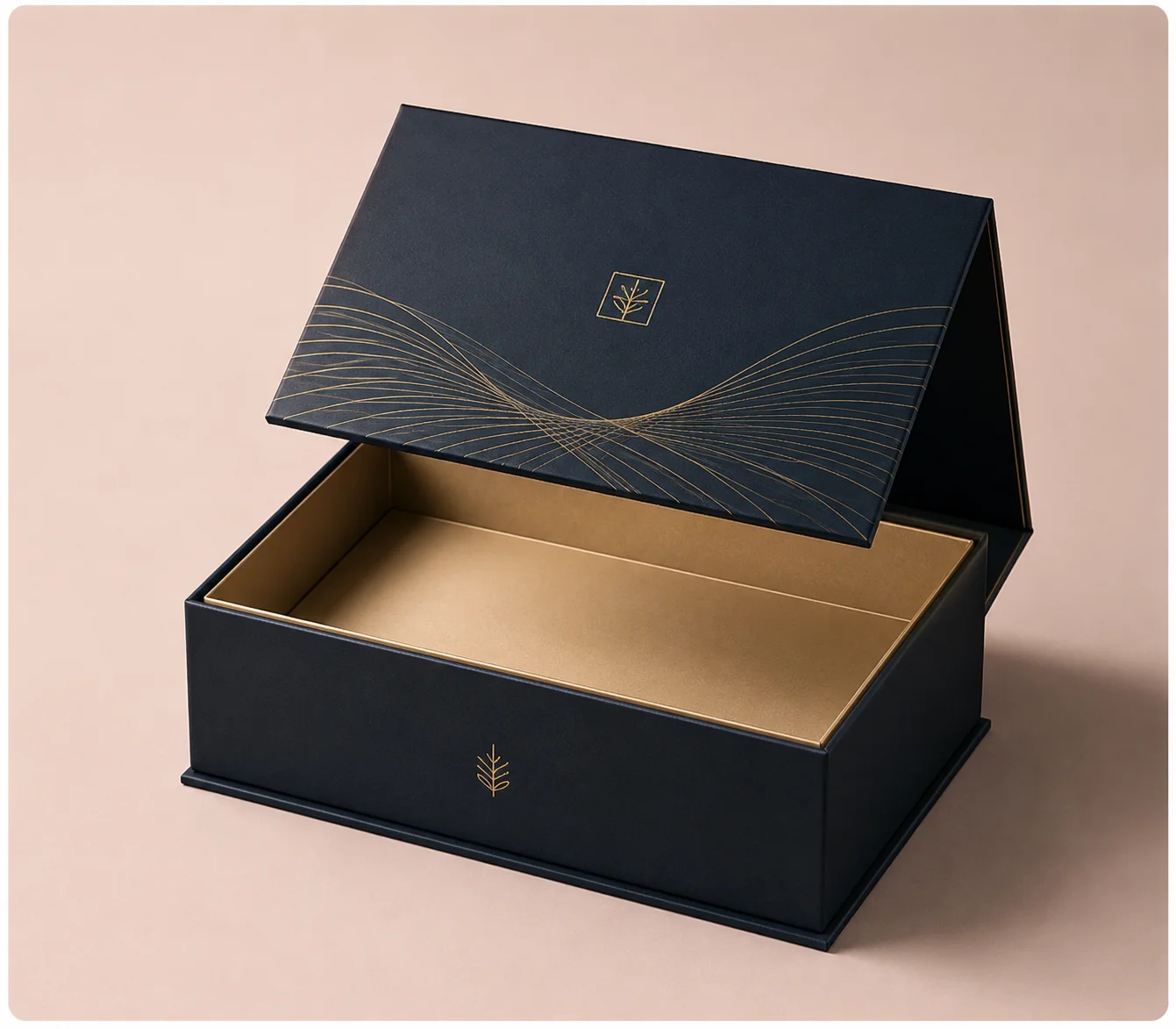
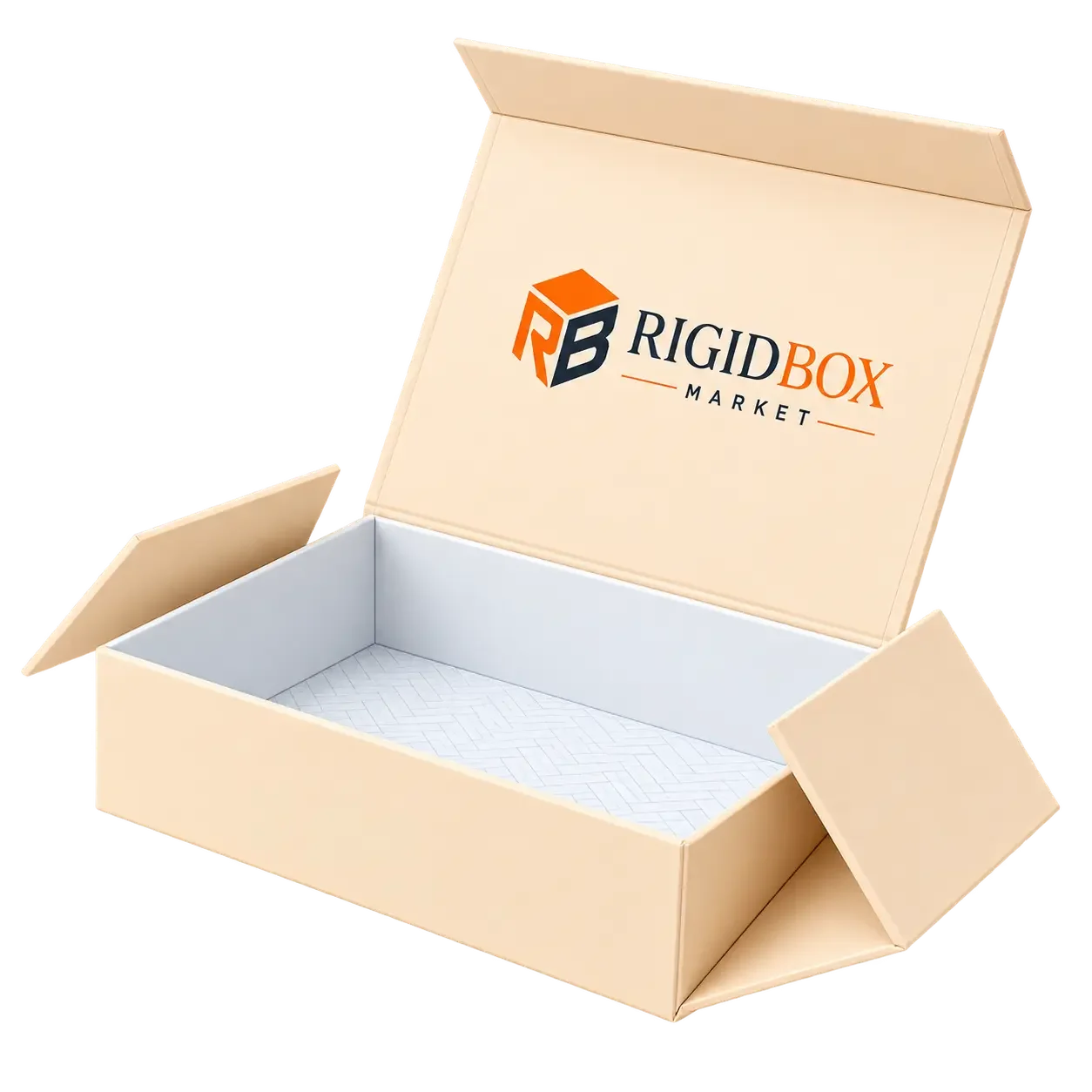
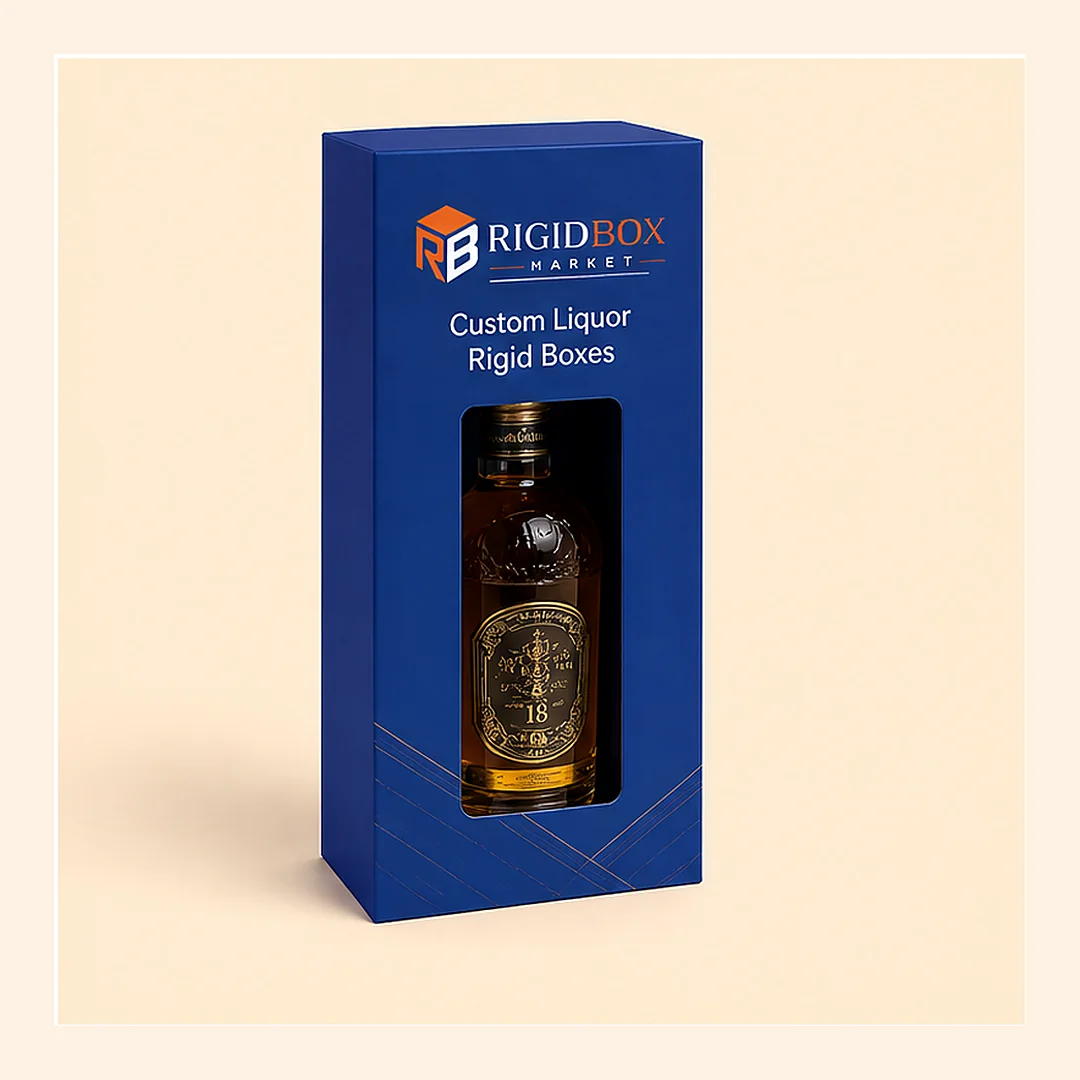
Compartment count, cavity shape, and container mix can all be built around a specific brewery’s product lineup, and multi-format inserts are available for brands selling combined bottle-and-can variety packs. Standard exterior finishing includes foil stamping, embossing, debossing, spot UV, and matte, gloss, or soft touch lamination, and craft breweries frequently favor bold, distinctive exterior design given how competitive shelf presentation has become across the craft beer category specifically. Closures typically use a two piece lid or a hinged construction for gift-focused tasting sets.
- Cavity design adapted for both bottles and cans
- Mixed-format inserts for combined bottle-and-can variety packs
- Compartment count matched to tasting flight or case format
- Foil stamping, embossing, debossing, and spot UV finishing
- Matte, gloss, or soft touch lamination
Best Suited For
Craft breweries rely on this format for tasting sets, seasonal releases, and gift packs, where the box needs to present a variety of styles as one coordinated collection rather than loose bottles or cans. Beverage retailers and specialty shops use it for curated multi-brewery variety packs, where cavity flexibility across different bottle and can dimensions from multiple suppliers matters more than it would for a single brewery’s own products, since a retailer-curated set has far less control over container consistency than a brewery packaging its own beer. Corporate and hospitality gifting programs also use beer gift sets for casual client or event gifting, particularly for craft-focused audiences. A well-chosen variety pack often lands better than a single bottle of wine or spirits for recipients who identify more with craft beer culture specifically.
Why Rigid Box Market
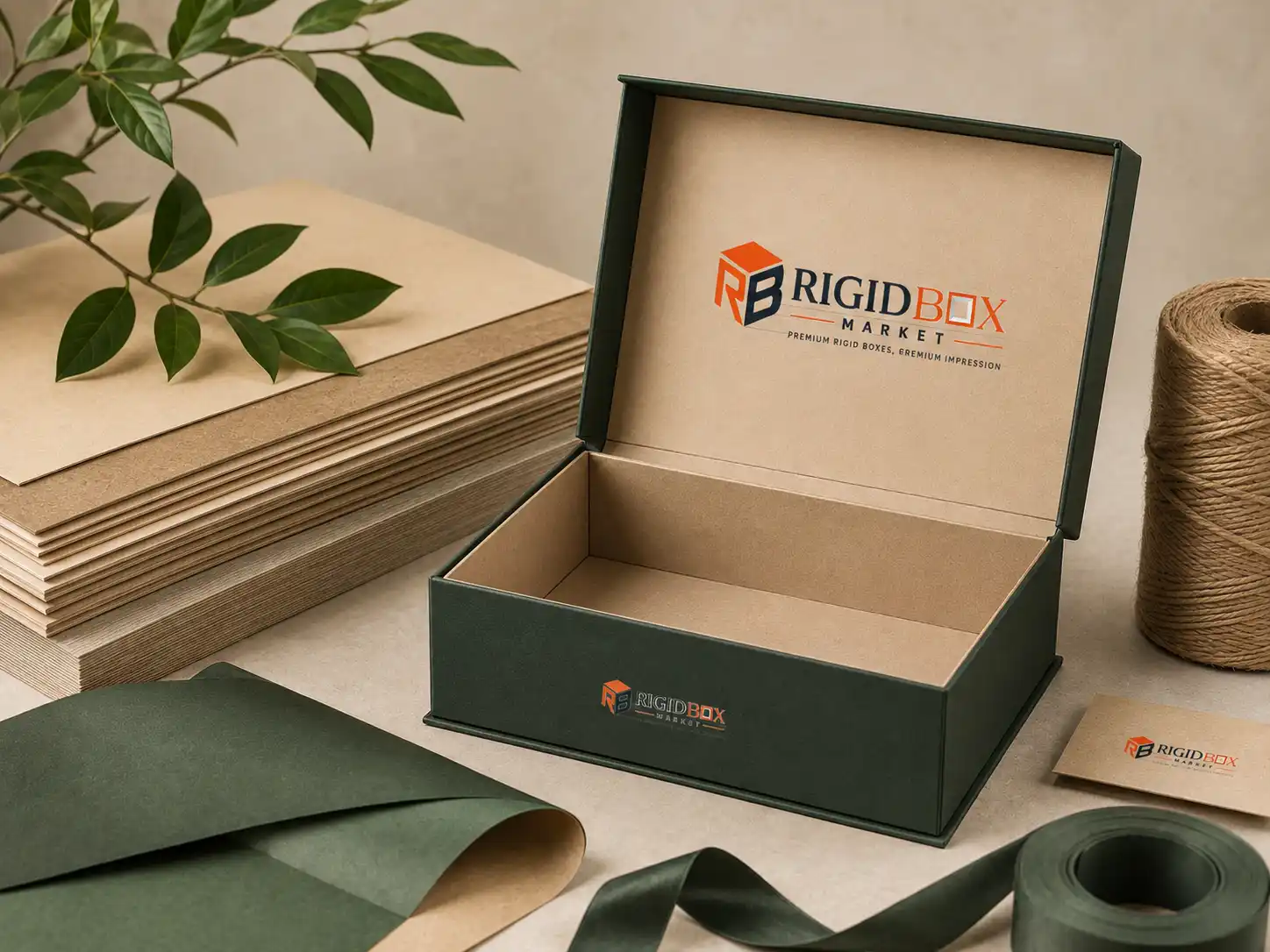
Handling both bottles and cans reliably within one flexible format requires cavity tooling that genuinely accounts for each container type’s different structural behavior rather than treating both as interchangeable. Rigid Box Market builds compartment dimensions around the specific container mix in a given order and holds that fit consistent across full production runs.
A note on whether your lineup is bottles only, cans only, or a mixed format helps us plan compartment tooling correctly from the start. Share your bottle or can count, format, and order volume, and we’ll follow up with a free quote.