Overview
Glass rigid boxes are built for a broader category than bottle-specific formats — vases, decorative glassware, drinkware sets, and other fragile glass items that don’t fit neatly into a bottle-shaped cavity, which means this format leans more heavily on flexible, custom-shaped cushioning than on any single fixed insert design. The category covers everything from thick, sturdy tumblers to thin-walled decorative pieces, and the difference in fragility between those two extremes changes the cushioning approach substantially even though both are technically glass.
Material & Construction
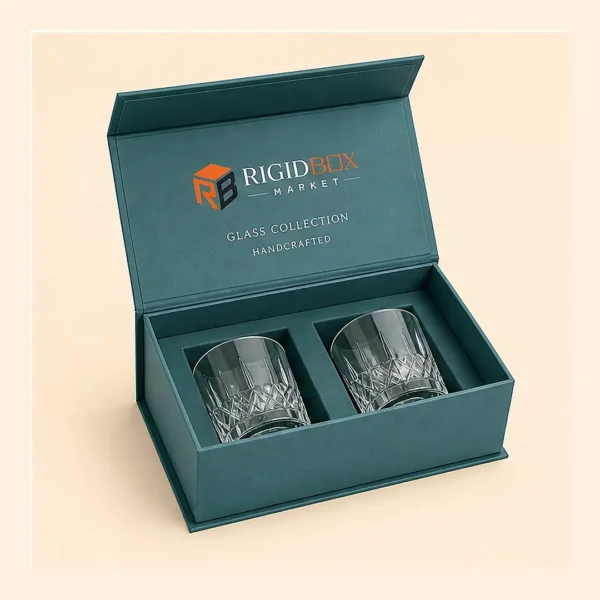
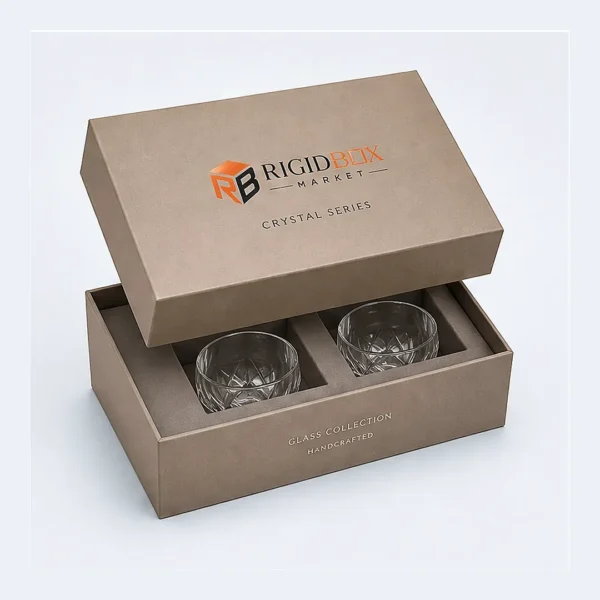
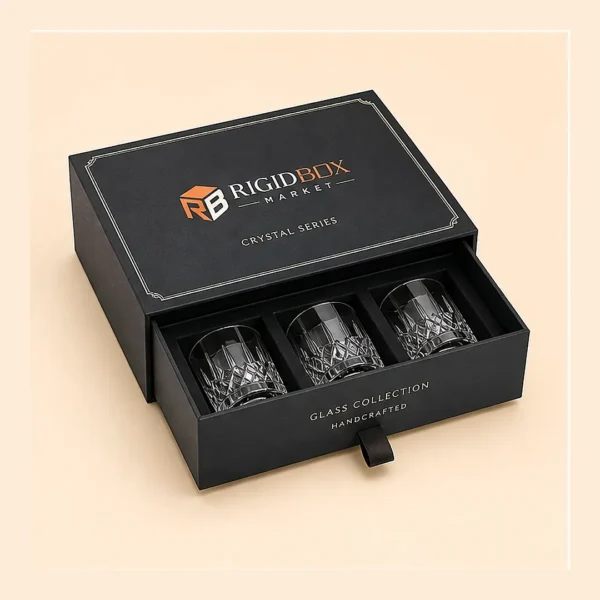
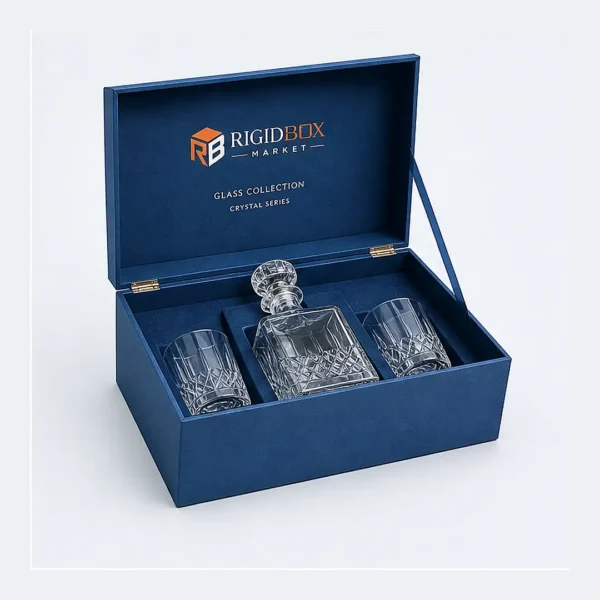
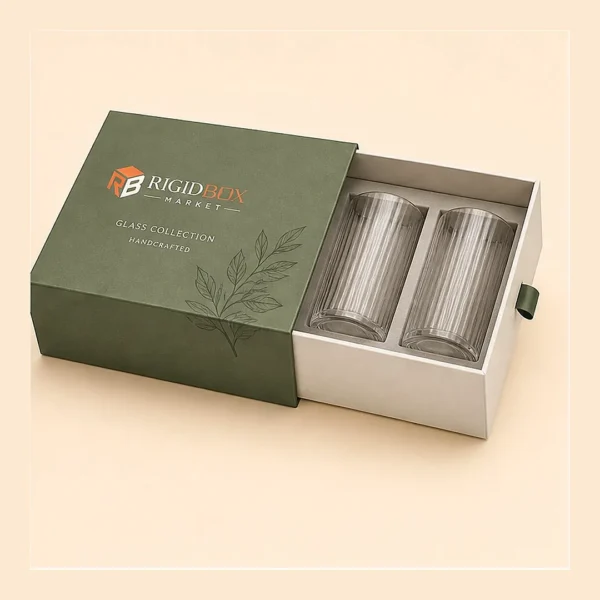
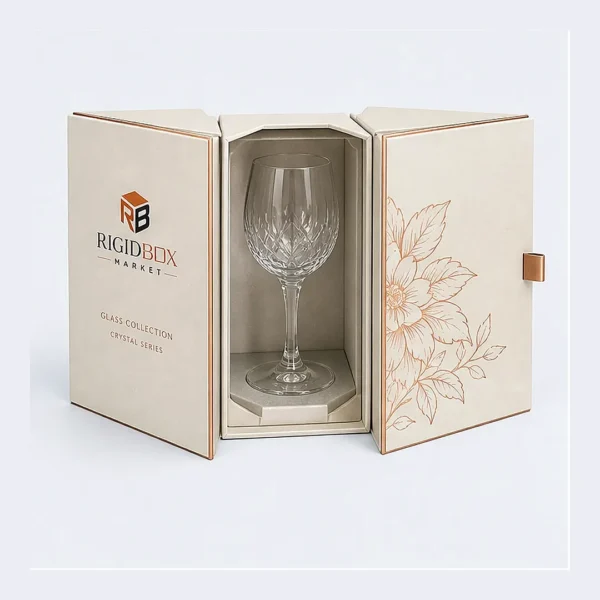
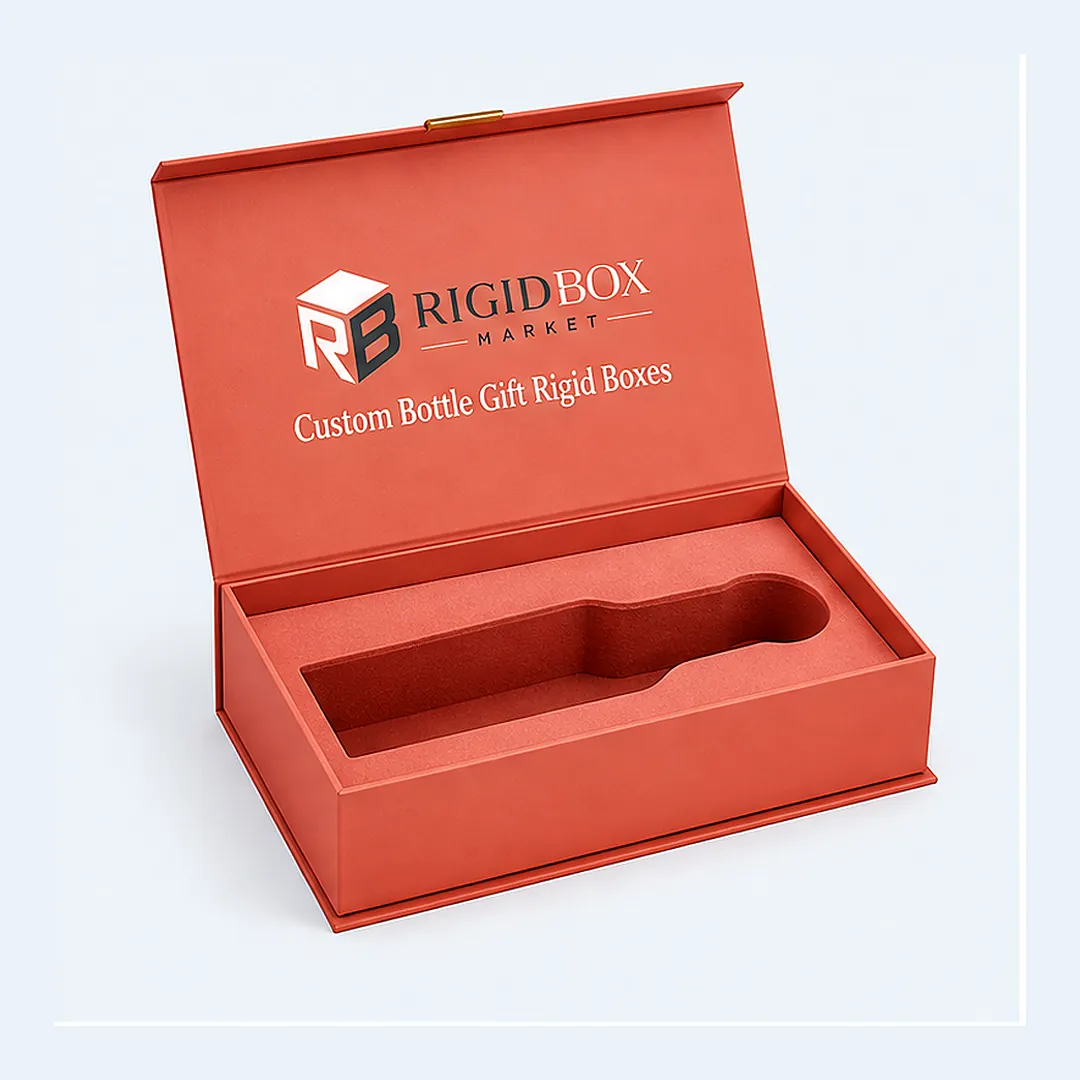
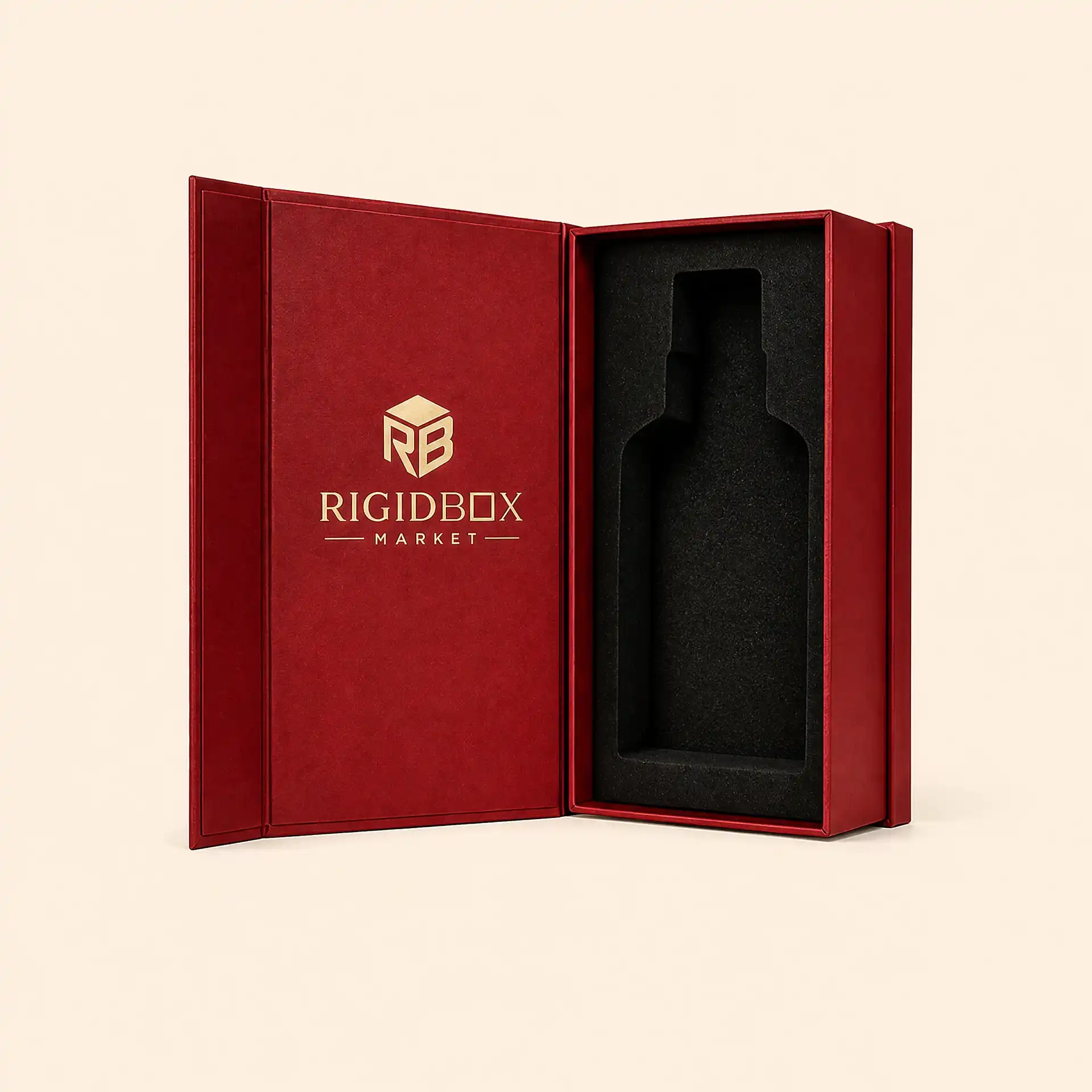
The shell is built from reinforced rigid chipboard, generally with a sturdier wall construction than lighter product categories given both the weight and breakage risk associated with glass items. Wall reinforcement at the corners is sometimes doubled compared to a standard box, since corner impacts are the most common way a box gets dropped or dented during handling, and that’s exactly where a glass item is most likely to shift if the cushioning underperforms. Because glass products vary so widely in shape, from tall and narrow to wide and irregular, interior cushioning is typically built as a custom-cut foam cavity or a molded paperboard cradle designed around the specific item rather than adapted from a generic template. For sets of multiple glass pieces, such as a set of glasses or tumblers, individual cavities with dividers between each piece prevent direct glass-to-glass contact, which is the most common cause of chips and cracks during shipping. Stemware presents its own challenge, since the stem is typically the most fragile point on the entire piece and needs support along its length, not just at the base and rim.
Customization Options
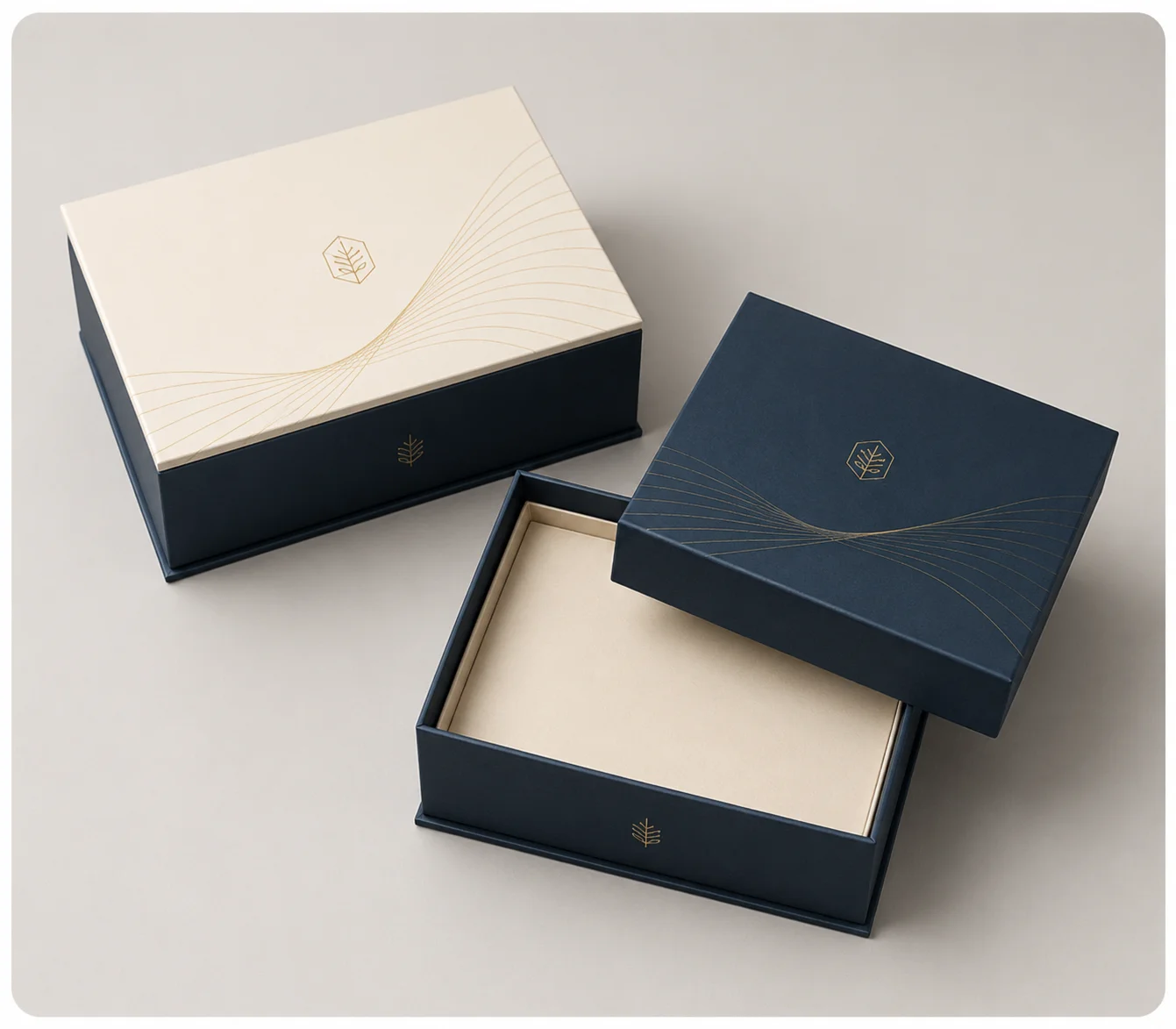
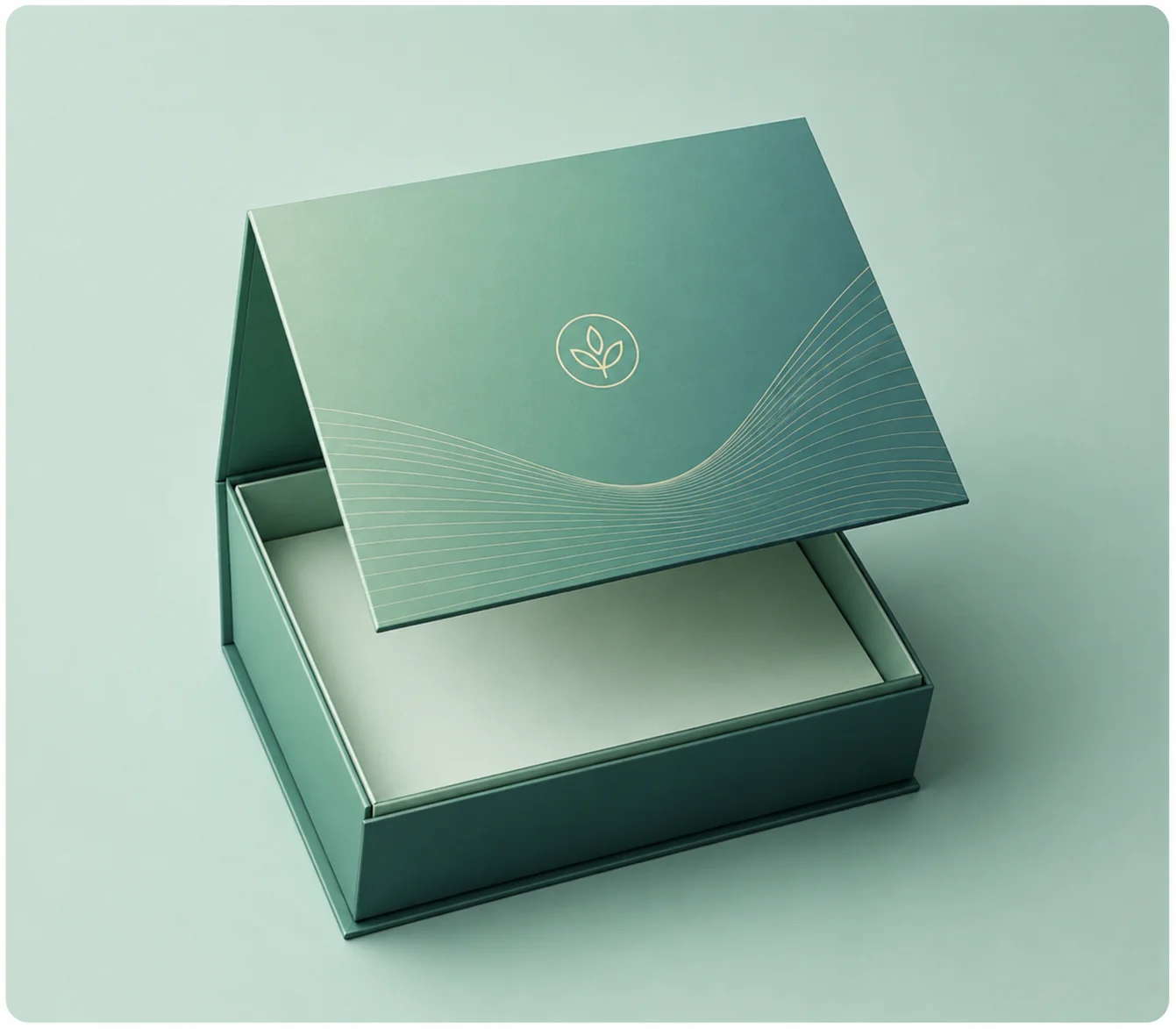
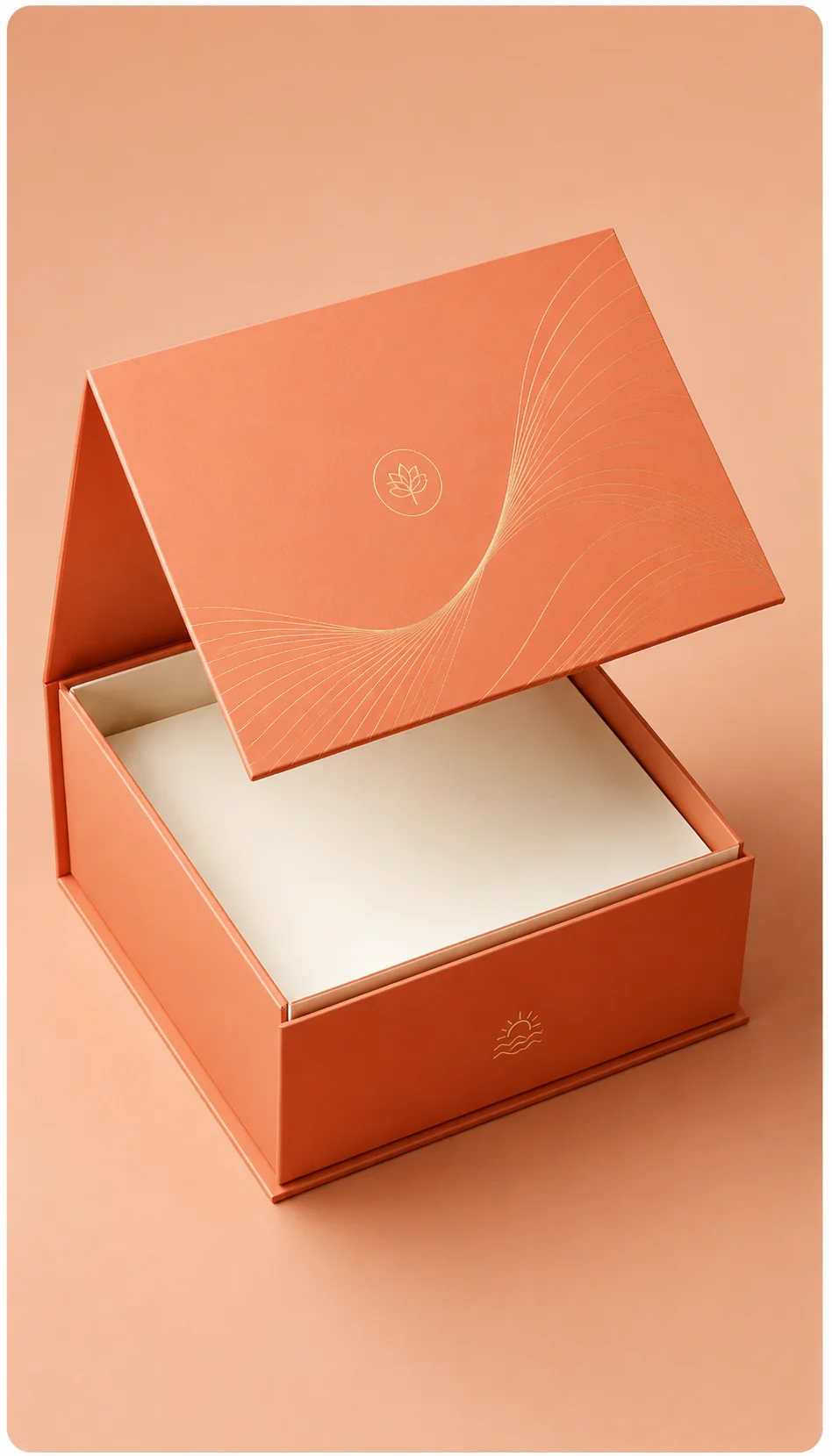
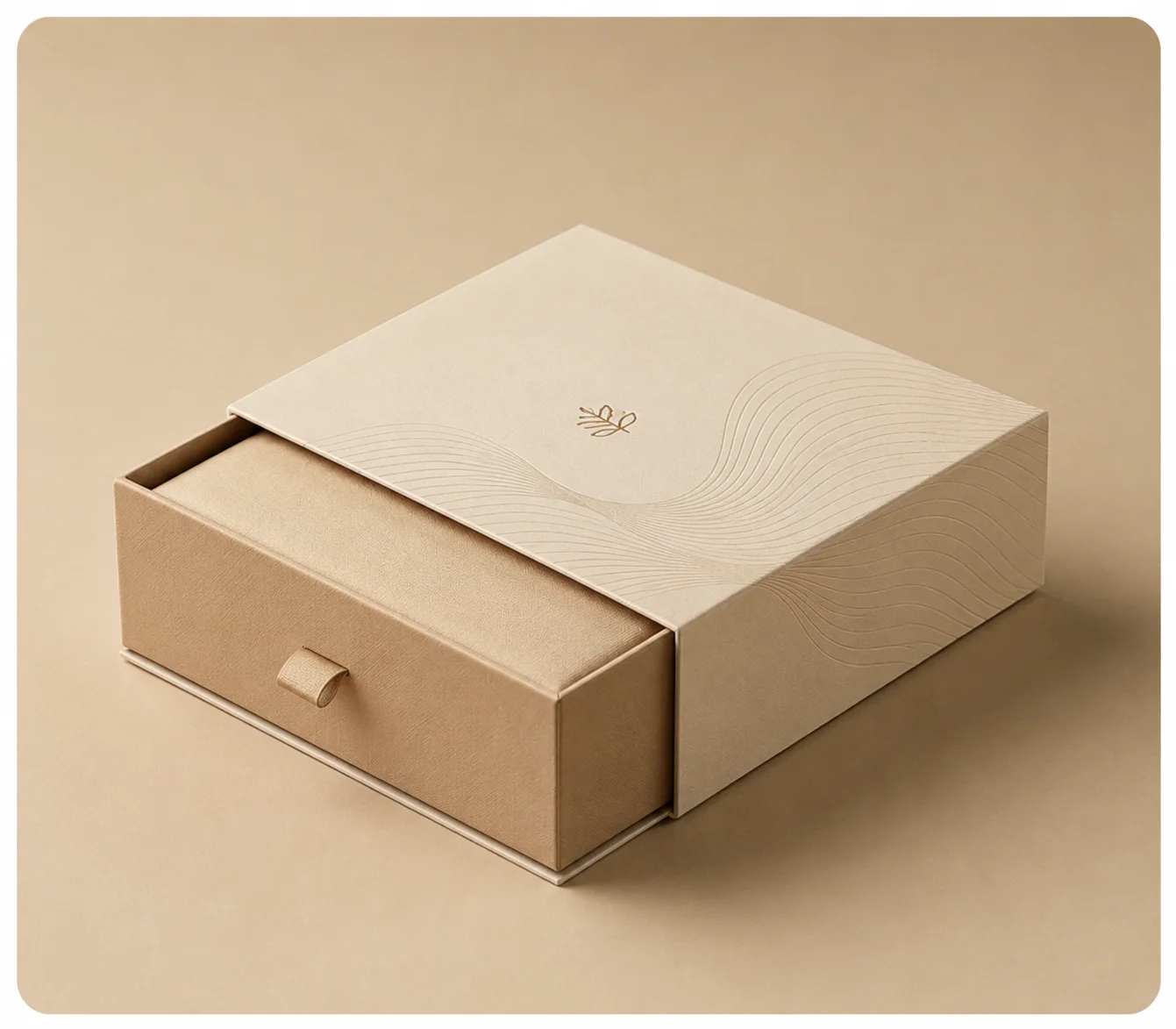
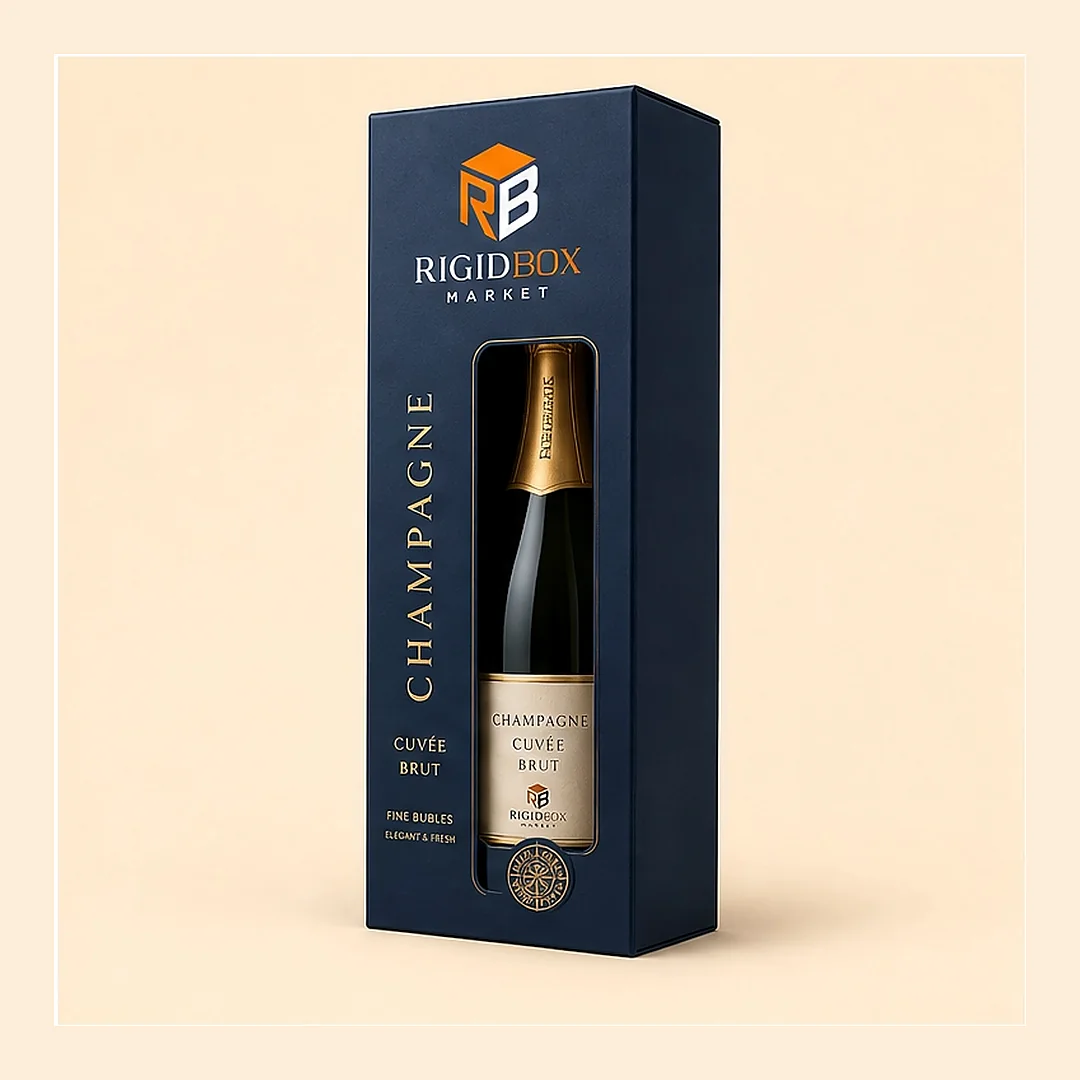
Cavity shape, depth, and divider placement can all be built to the exact dimensions of the glass item or set being packaged, whether that’s a single decorative piece or a full multi-glass set. Irregular shapes, such as an asymmetric vase or sculptural piece, generally require a fully custom foam cutout rather than an adapted standard template, since a generic cavity shape won’t properly cradle an item that doesn’t have a consistent cross-section. Standard exterior finishing includes foil stamping, embossing, debossing, spot UV, and matte, gloss, or soft touch lamination, and window cutouts are a popular addition for decorative glassware where the visual design of the piece itself is part of the sale. Closures range from a simple two piece lid to a hinged or magnetic construction depending on the product’s value and intended reuse, and higher-value decorative pieces often warrant the added cost of a magnetic seal simply because the consequence of a lid popping open in transit is more severe than it would be for a lower-cost item.
- Custom-shaped cavities for irregular or oversized glass items
- Individual dividers for multi-piece glassware sets
- Foil stamping, embossing, debossing, and spot UV finishing
- Optional window cutout to showcase decorative glass pieces
- Matte, gloss, or soft touch lamination
Built for These Brands
Home goods and glassware brands use this format across decorative pieces, drinkware collections, and gift sets, where breakage risk during shipping directly affects both cost and customer trust. Gift retailers selling glass items as part of a broader home or hospitality bundle rely on the same construction principles, and hospitality businesses gifting branded glassware to clients or guests use smaller versions of the format for individual piece presentation. Artisan glassblowers and craft studios selling one-of-a-kind pieces depend on this format especially heavily, since each item may have a slightly different shape that a mass-produced generic box could never properly protect.
Working With Rigid Box Market
Custom cavity shaping is the detail that separates a glass box that actually prevents breakage from one that merely looks protective, and it has to be built around the specific item rather than approximated from a standard template. Rigid Box Market builds cavity tooling to each item’s exact profile and holds that fit consistent across full production runs regardless of order size.
Send over your glass item dimensions and order volume, and we’ll follow up with a free quote.