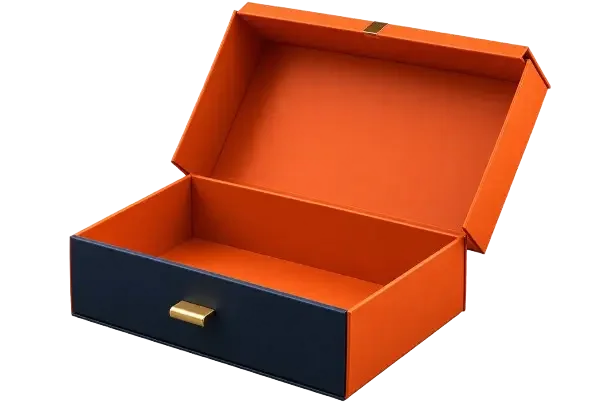
Every successful custom package begins long before printing or manufacturing.
Behind a finished box is a complete development process involving product dimensions, structural design, materials, printing, prototypes, inserts, finishing, and production planning.
For brands launching a new product, understanding this process can make packaging development faster, more efficient, and more successful.
Custom packaging should not begin with the question, “What should the box look like?”
A better starting point is, “What does this packaging need to achieve?”
Understanding the Product
The first stage is understanding exactly what the packaging needs to contain.
The dimensions, weight, shape, fragility, number of components, and shipping requirements of the product all influence the packaging structure.
For example, a lightweight cosmetic product has very different packaging requirements from a heavy glass fragrance bottle.
Accurate product measurements are essential because they affect everything that follows.
When packaging is designed specifically around the product, unnecessary empty space can be reduced and the overall presentation becomes more professional.
Selecting the Packaging Style
Once the requirements are understood, the appropriate packaging structure can be selected.
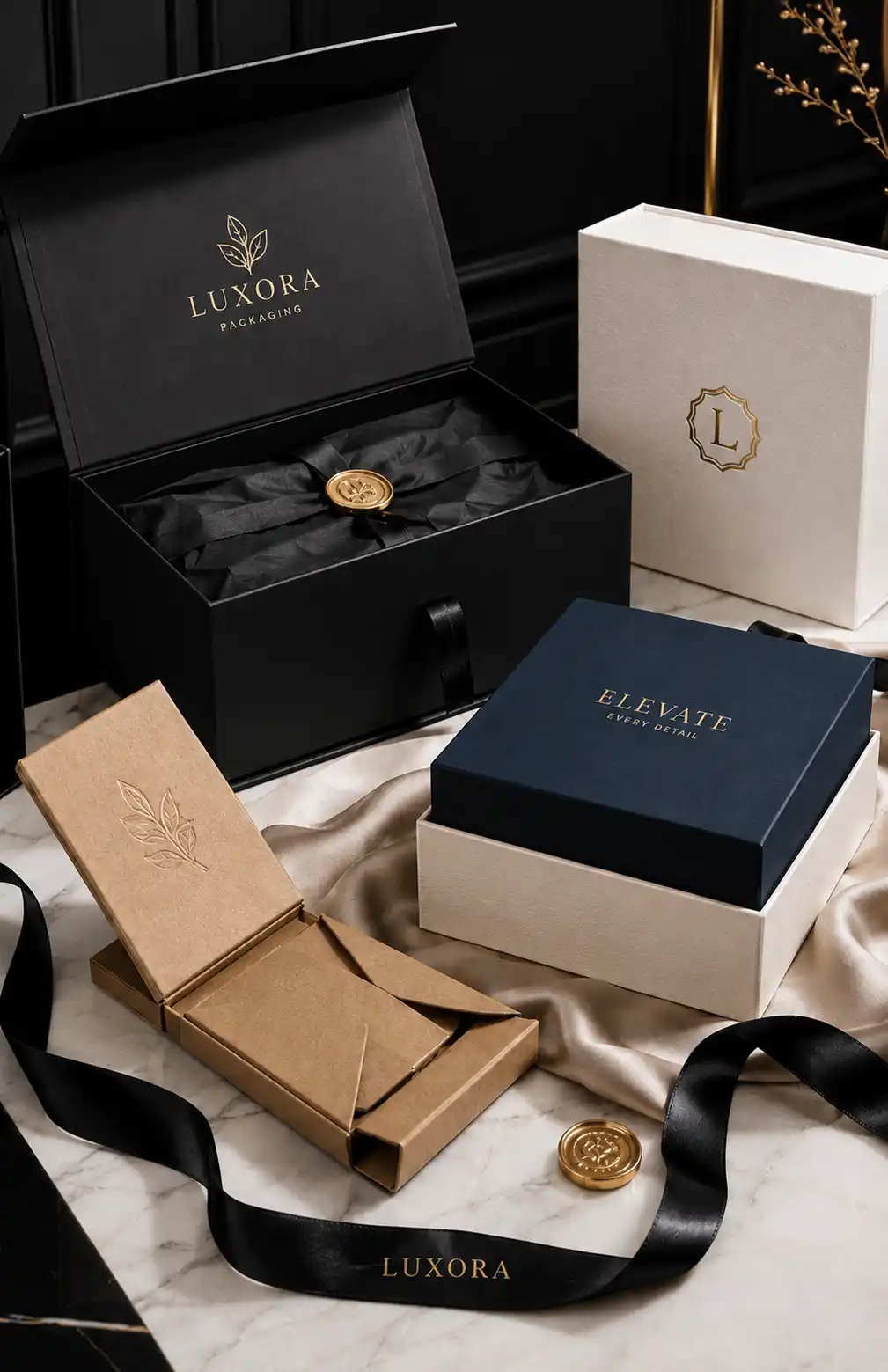
Depending on the product, brands may choose rigid boxes, magnetic closure boxes, drawer boxes, folding cartons, mailer boxes, sleeve packaging, two-piece boxes, or completely custom structures.
The packaging style influences both the appearance and the opening experience.
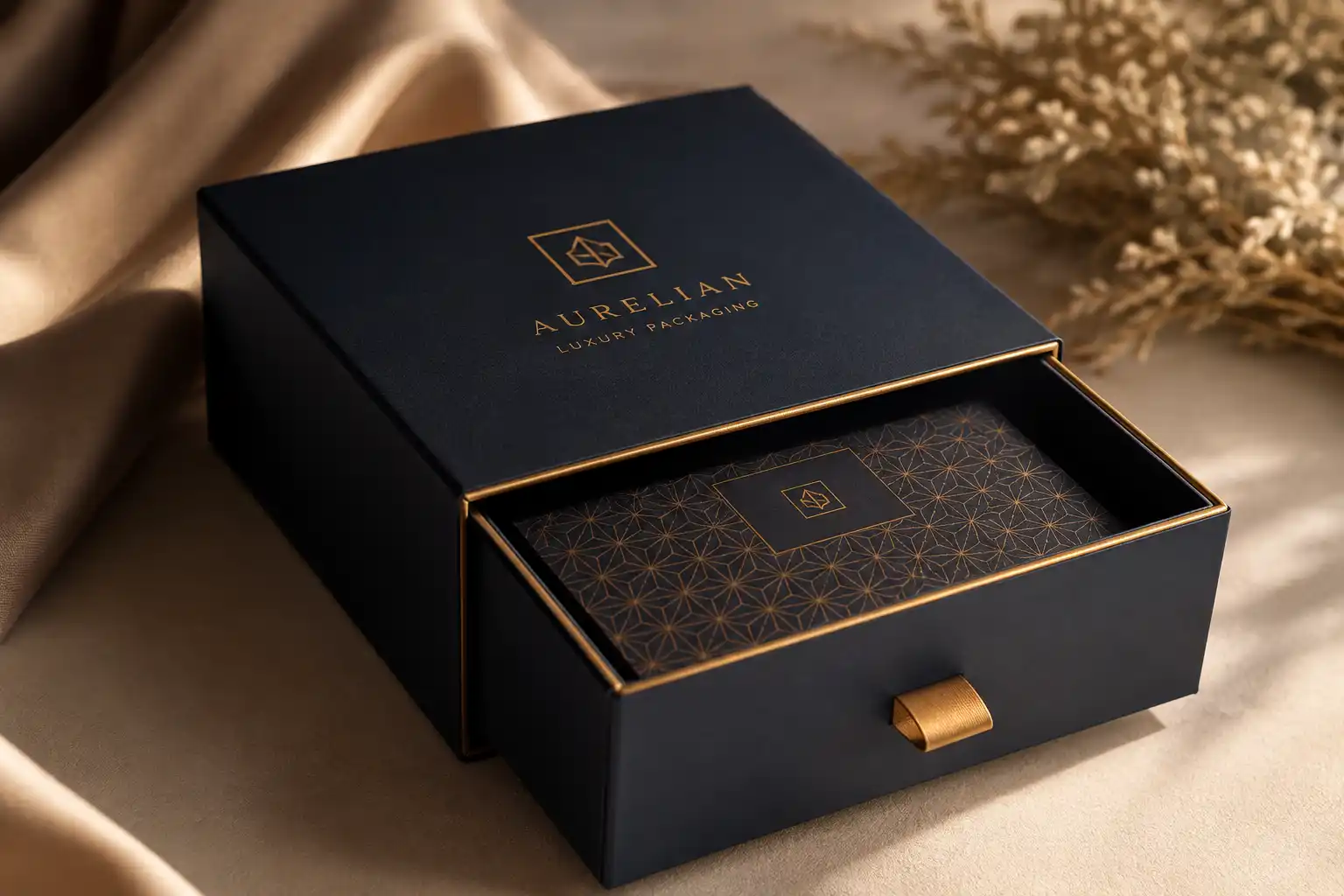
A drawer box creates anticipation through a sliding motion. A magnetic box creates a structured premium reveal. A folding carton offers lightweight efficiency for retail products.
Choosing the correct structure is therefore both a practical and branding decision.
Structural Design and Dielines
After selecting the style, a structural designer creates the technical packaging layout.
This usually involves creating a dieline showing where the material will be cut, folded, scored, glued, or perforated.
For rigid packaging, construction drawings may also include multiple components such as the lid, base, drawer, sleeve, and internal insert.
This stage is crucial because even a beautiful graphic design will not work if the physical structure is inaccurate.
Choosing Materials
Packaging material affects strength, appearance, print quality, weight, and cost.
Rigid packaging commonly uses thick chipboard wrapped with printed or specialty paper. Folding cartons may use SBS, kraft, recycled board, or other paperboard materials.
Interior inserts may use cardboard, foam, moulded pulp, paperboard, or other materials depending on the protection and presentation required.
Material selection should consider both visual appearance and practical performance.
Developing the Graphic Design
Once the structural layout is established, branding and artwork can be applied to the dieline.
This includes the logo, colors, typography, product details, instructions, regulatory information, barcodes, decorative graphics, and other required content.
Designers must also consider how the artwork wraps around corners, folds, edges, and multiple surfaces.
A design that looks correct on a flat computer screen may appear completely different once folded into a three-dimensional box.
This is why packaging artwork requires careful planning.
Choosing Printing and Finishing
The next step is deciding how the artwork will be produced.
Depending on quantities, materials, and design requirements, packaging may use digital printing, offset printing, flexographic printing, or other processes.
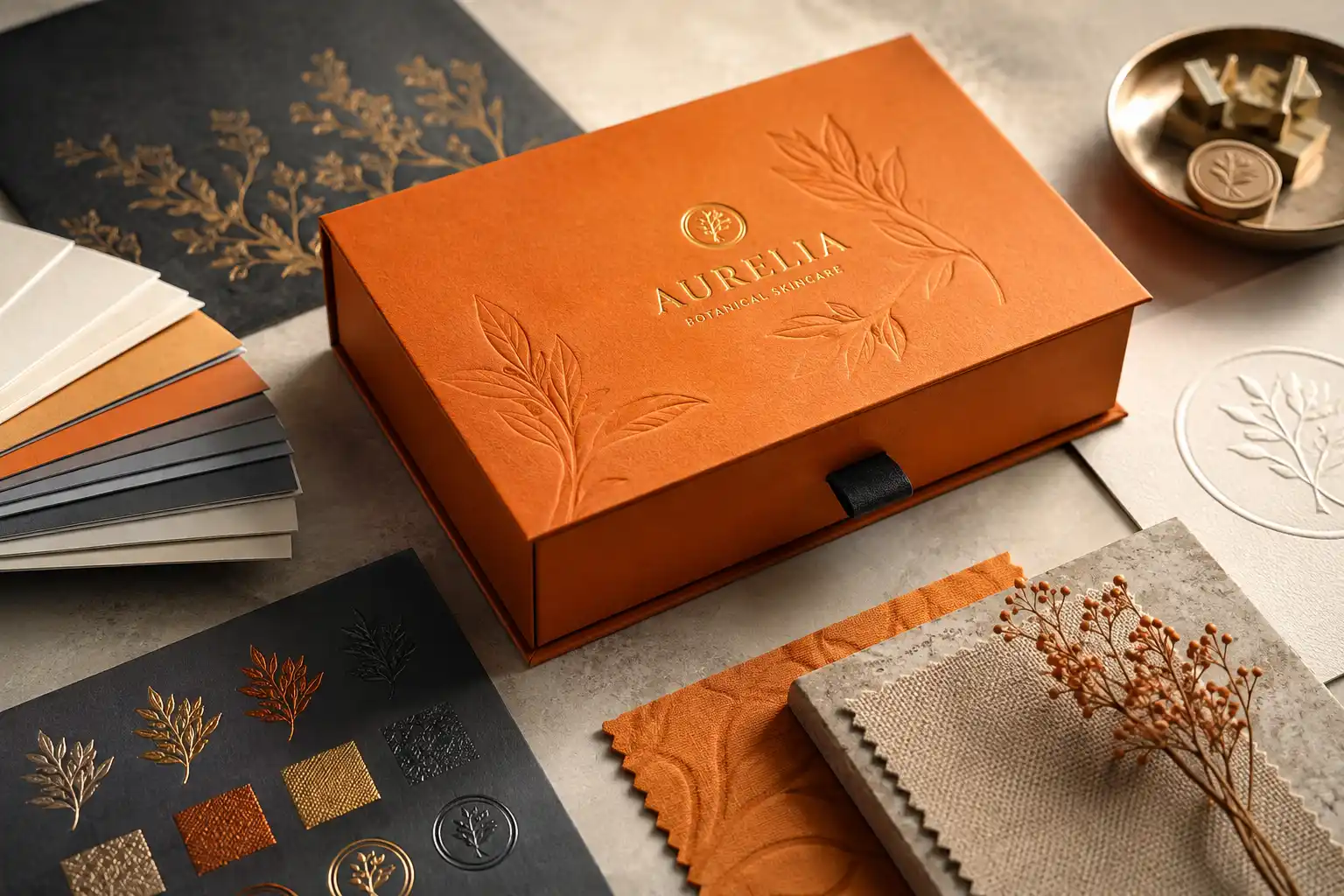
Finishing techniques such as matte lamination, gloss lamination, spot UV, embossing, debossing, foil stamping, and specialty coatings can then be added.
These decisions should support the brand identity rather than simply increase complexity.
Prototyping Before Production
Prototyping is one of the most important stages in custom packaging development.
A prototype allows the brand to physically evaluate the size, construction, opening mechanism, insert fit, colors, and overall presentation before committing to full production.
Digital 3D mockups are useful during the early stages, but a physical sample provides information that cannot always be understood from a screen.
The customer can test how the product fits, how the box feels in the hand, and whether adjustments are required.
Moving Into Production
Once the prototype and artwork are approved, the packaging moves into production.
Manufacturing may include printing, lamination, die cutting, board cutting, wrapping, assembly, insert production, finishing, and quality control.
Good production planning ensures consistency across the order.
Colors, dimensions, finishing alignment, structural quality, adhesive strength, and overall appearance should all be inspected before the packaging is shipped.
Final Thoughts
Custom packaging development is a combination of engineering, design, branding, and manufacturing.
The strongest packaging solutions are created when these elements are considered together rather than separately.
Starting with accurate product information, selecting the correct structure, developing precise dielines, testing materials, creating prototypes, and carefully planning production can help brands avoid costly mistakes.
When this process is done correctly, packaging becomes more than a box around a product. It becomes a carefully designed brand experience that protects the product, communicates value, and gives customers a reason to remember what they received.