Packaging finishes can completely transform the appearance of a box.
The same basic packaging structure can feel minimal, luxurious, natural, modern, or highly decorative depending on the finishes applied to its surface.
For brands competing in crowded retail and ecommerce markets, these details can help create packaging that attracts attention while reinforcing the personality of the product.
Among the most popular premium finishing techniques are foil stamping, embossing, debossing, spot UV, specialty papers, laminations, and textured finishes.
Why Packaging Finishing Matters
Customers often make judgments about quality before opening a product.
A beautifully finished box creates the expectation that the product inside has received the same level of attention.
Finishing also gives designers the ability to guide the viewer’s attention. A logo can be highlighted using metallic foil. A pattern can be subtly embossed into the surface. Important design elements can be enhanced with gloss against a matte background.
Rather than treating finishing as decoration added at the end, premium packaging projects usually consider finishing from the beginning of the design process.
Foil Stamping for a Premium Look
Foil stamping applies a thin metallic or pigmented layer to selected areas of the packaging.
Gold and silver are traditional choices, but modern foil options include copper, rose gold, blue, green, holographic, pearl, and many other effects.
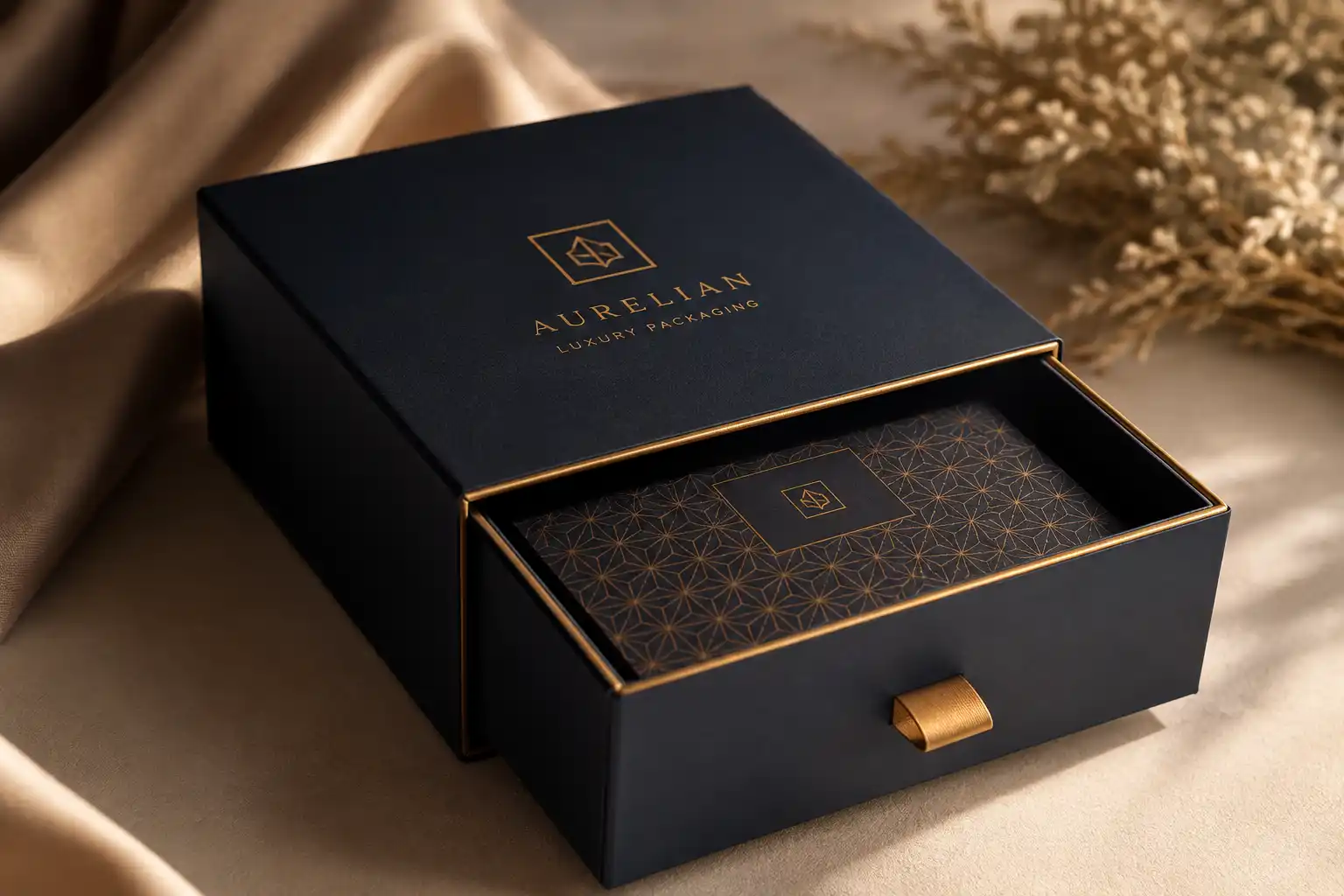
Foil works particularly well for logos, product names, borders, monograms, and decorative elements.
The contrast between metallic foil and a matte paper surface can create an elegant appearance without requiring complicated artwork.
For luxury packaging, limiting foil to carefully selected areas often produces a more sophisticated result.
Embossing Adds Physical Dimension
Embossing raises part of the packaging surface, allowing customers to physically feel the design.
Logos, patterns, typography, symbols, and illustrations can all be embossed.
Blind embossing is especially attractive for minimalist packaging because the design is created through texture rather than additional ink or foil.
This approach can create subtle branding that becomes more noticeable as light moves across the surface.
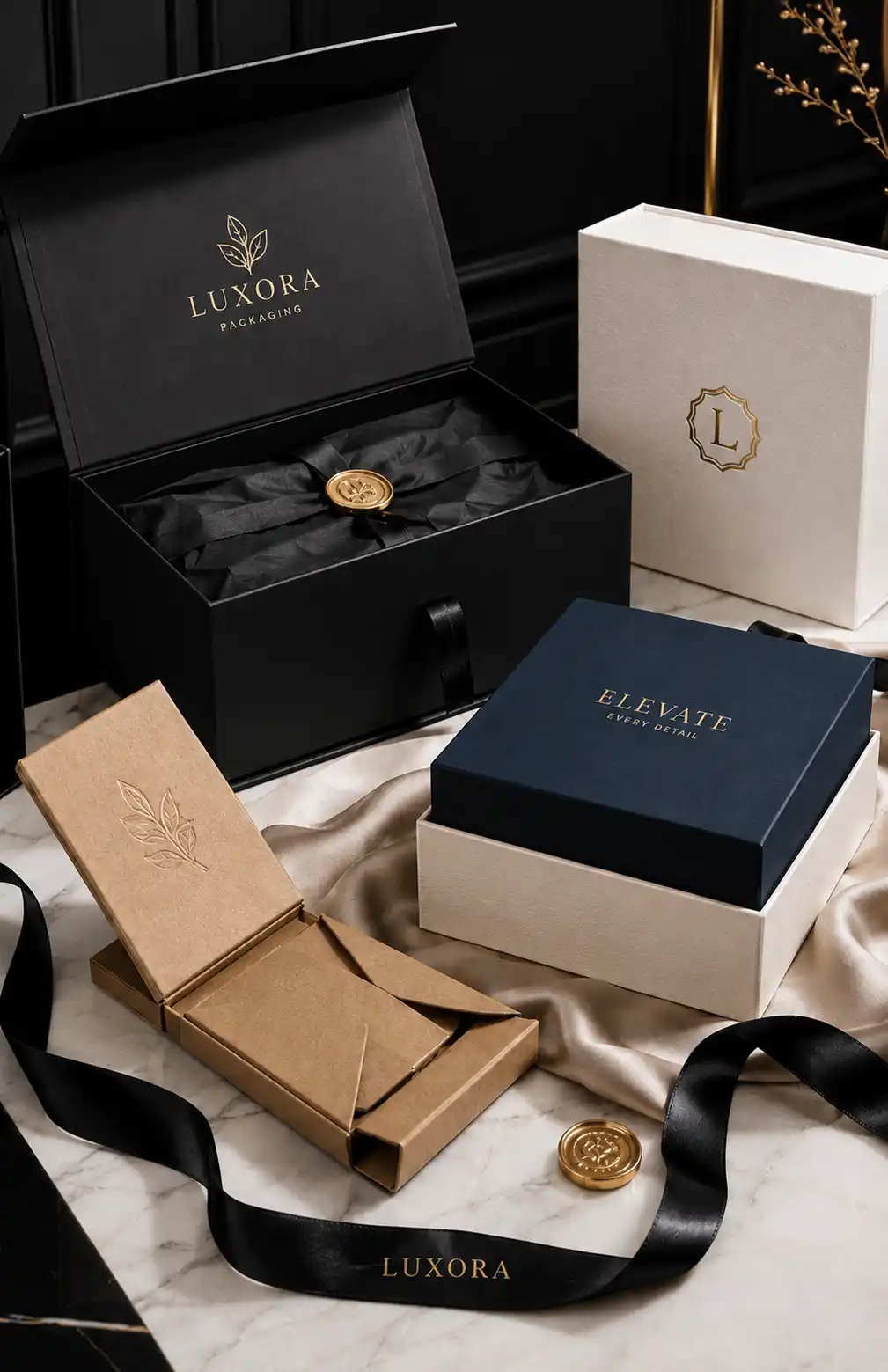
When embossing is combined with foil stamping, the metallic area can also be raised, producing an even more premium effect.
Debossing Creates a Refined Impression
Debossing works in the opposite direction by pressing the design into the material.
This creates a recessed impression that works particularly well on thicker papers and rigid box wraps.
Debossing can feel understated and sophisticated, making it suitable for fashion, fragrance, jewellery, premium stationery, hospitality, and lifestyle packaging.
Choosing the Right Material
The finishing technique must work with the material underneath it.
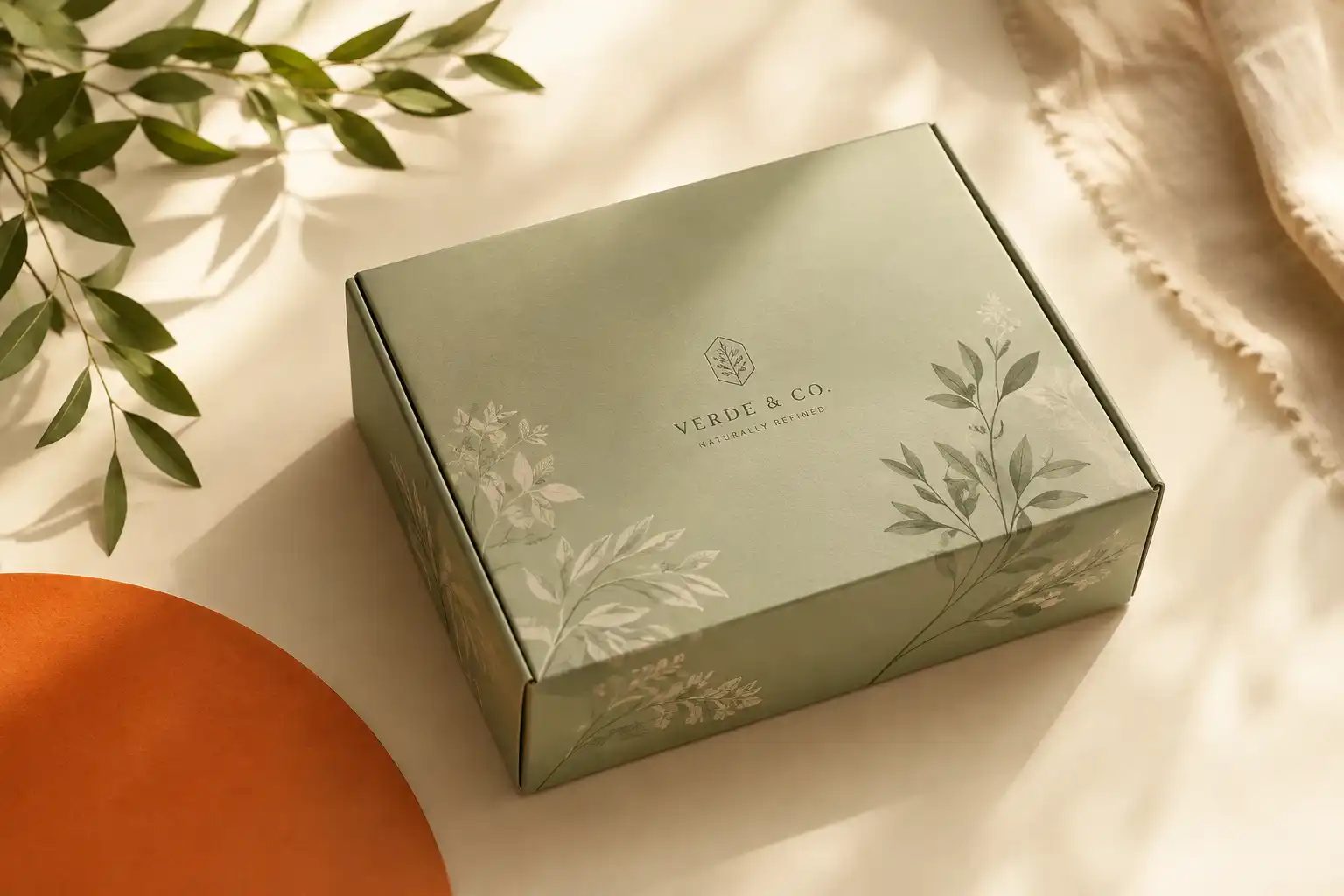
Textured papers produce a completely different effect from smooth coated stock. Natural uncoated paper can communicate craftsmanship and sustainability, while dark soft-touch surfaces can communicate modern luxury.
Brands should consider how color, texture, print, and finishing interact rather than evaluating each element separately.
For example, metallic gold foil may appear warm and traditional on cream paper but dramatic and contemporary on black packaging.
Matte and Gloss Contrasts
Surface contrast can be used to add detail without changing the overall color palette.
A matte laminated box may use spot UV to make selected areas glossy. Because the gloss catches light differently, logos and patterns become visible depending on the viewing angle.
This technique works particularly well for brands that want premium detailing while maintaining a clean, single-color design.
Finishing Should Support the Brand
The best packaging does not use every available finishing technique at once.
Premium design is often about restraint.
A brand should select the techniques that support its positioning and product category.
An organic skincare brand may combine textured paper with subtle blind embossing. A luxury fashion brand might use deep black paper with minimal gold foil. A playful retail product may benefit from brighter foils and colorful printed surfaces.
The goal is consistency between the packaging and the identity of the brand.
Final Thoughts
Foiling, embossing, debossing, lamination, specialty materials, and other premium finishes give packaging depth and personality.
These techniques turn a simple printed surface into something customers can see, touch, and remember.
When carefully selected, packaging finishes increase perceived value without overwhelming the design.
The most effective packaging does not simply look expensive. It communicates the brand clearly, highlights the most important design elements, and creates a tactile experience that makes the product feel special.