Sustainability is no longer simply a trend in the packaging industry. It has become an important part of how customers judge a brand, its values, and the overall quality of its products. As consumers become more environmentally conscious, businesses are increasingly looking for packaging solutions that reduce unnecessary waste while still delivering a premium presentation.
Eco-friendly packaging gives brands an opportunity to create packaging that looks beautiful, protects the product, and communicates responsibility at the same time. From recyclable paperboard to responsibly sourced materials and minimal printing techniques, sustainable packaging can make a strong impression before the customer even opens the box.
Why Sustainable Packaging Matters
Customers are paying more attention to what happens to packaging after a product has been delivered. Oversized boxes, excessive plastic, non-recyclable coatings, and unnecessary inserts can make a product feel wasteful even when the product itself is high quality.
Using environmentally responsible packaging helps reduce this negative impression. A thoughtfully designed box can show customers that a brand has considered not only presentation but also the long-term impact of the materials being used.
Sustainable packaging can be created using recyclable paperboard, kraft stock, rigid recycled board, water-based printing systems, reusable packaging structures, and carefully selected protective inserts.
The goal is not simply to make the packaging look “green.” The goal is to make responsible material choices without sacrificing the customer experience.
Premium Packaging Can Still Be Sustainable
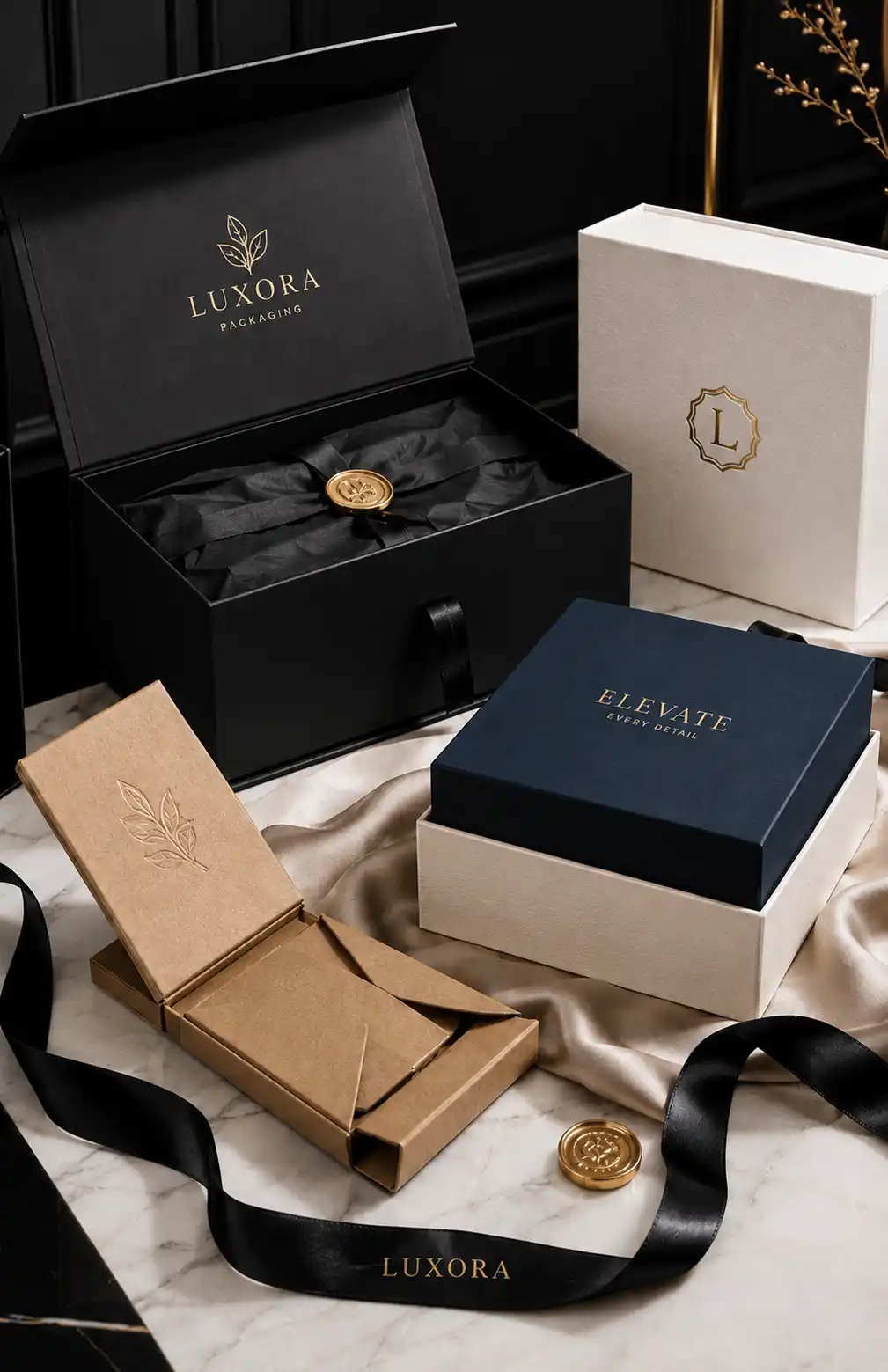
One common misconception is that sustainable packaging has to look plain or inexpensive. Modern packaging manufacturing offers many ways to create luxury packaging while maintaining a more responsible material strategy.
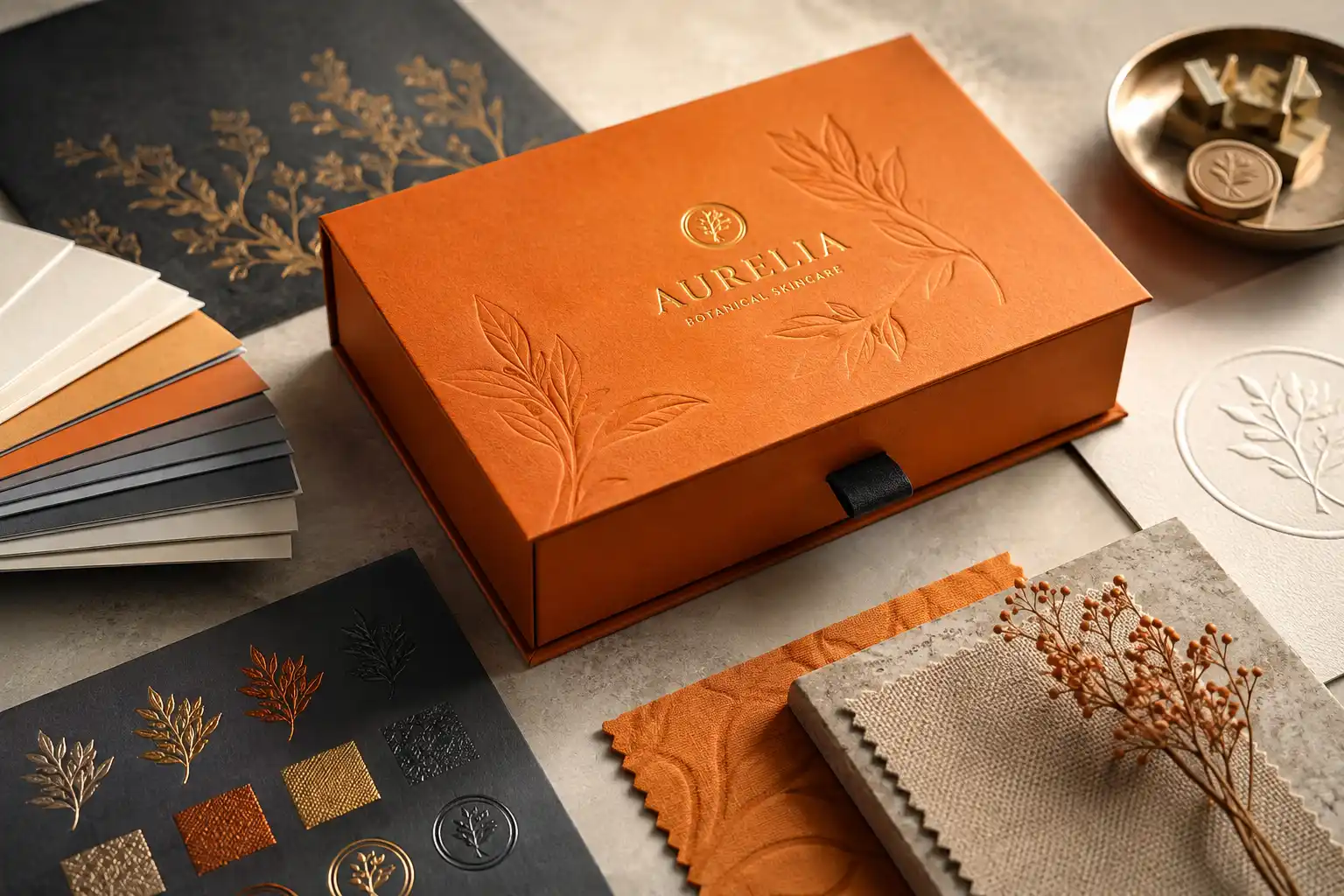
A premium rigid box, for example, can use recycled chipboard beneath a beautifully printed or textured paper wrap. Instead of using excessive plastic decorations, brands can incorporate embossing, debossing, minimal foil details, custom typography, or natural paper textures.
These details create a premium appearance without overwhelming the packaging with unnecessary materials.
The soft natural colors often associated with sustainable packaging also work particularly well for wellness, skincare, organic products, fashion accessories, handmade products, candles, food products, and environmentally conscious retail brands.
Sustainable Design Should Begin With Structure
Materials are only one part of sustainable packaging. Structural design also plays an important role.
A box that is significantly larger than the product uses more material, requires more void fill, takes up additional shipping space, and may increase transportation costs.
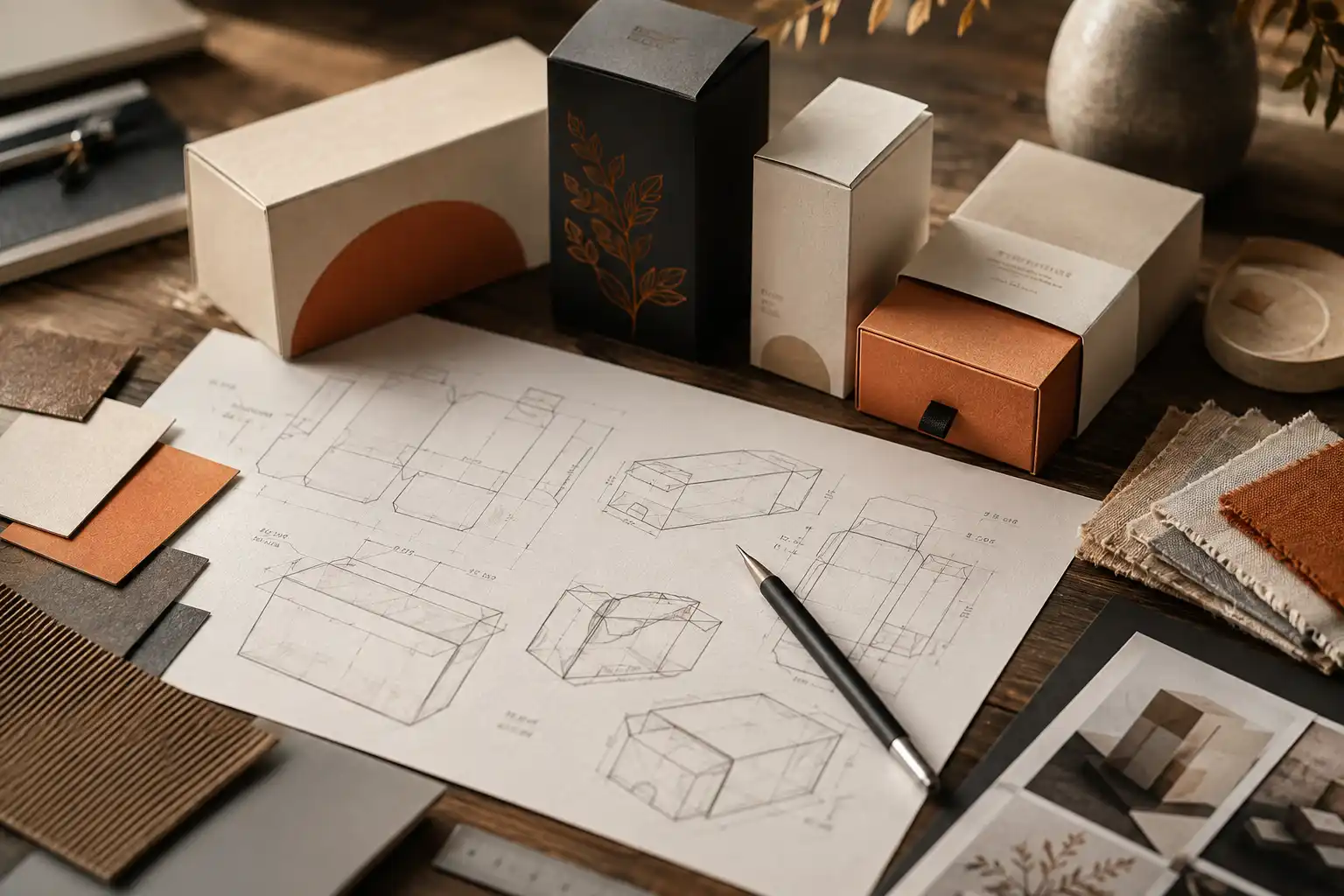
Custom sizing allows the packaging to fit the product more accurately. This can reduce material usage while creating a more professional presentation.
Smart structural design may also allow one component to perform multiple functions. Instead of using several separate packaging elements, a carefully designed insert can protect, position, and present the product simultaneously.
Reusable Packaging Adds Long-Term Value
Some premium boxes are designed to be kept rather than immediately discarded.
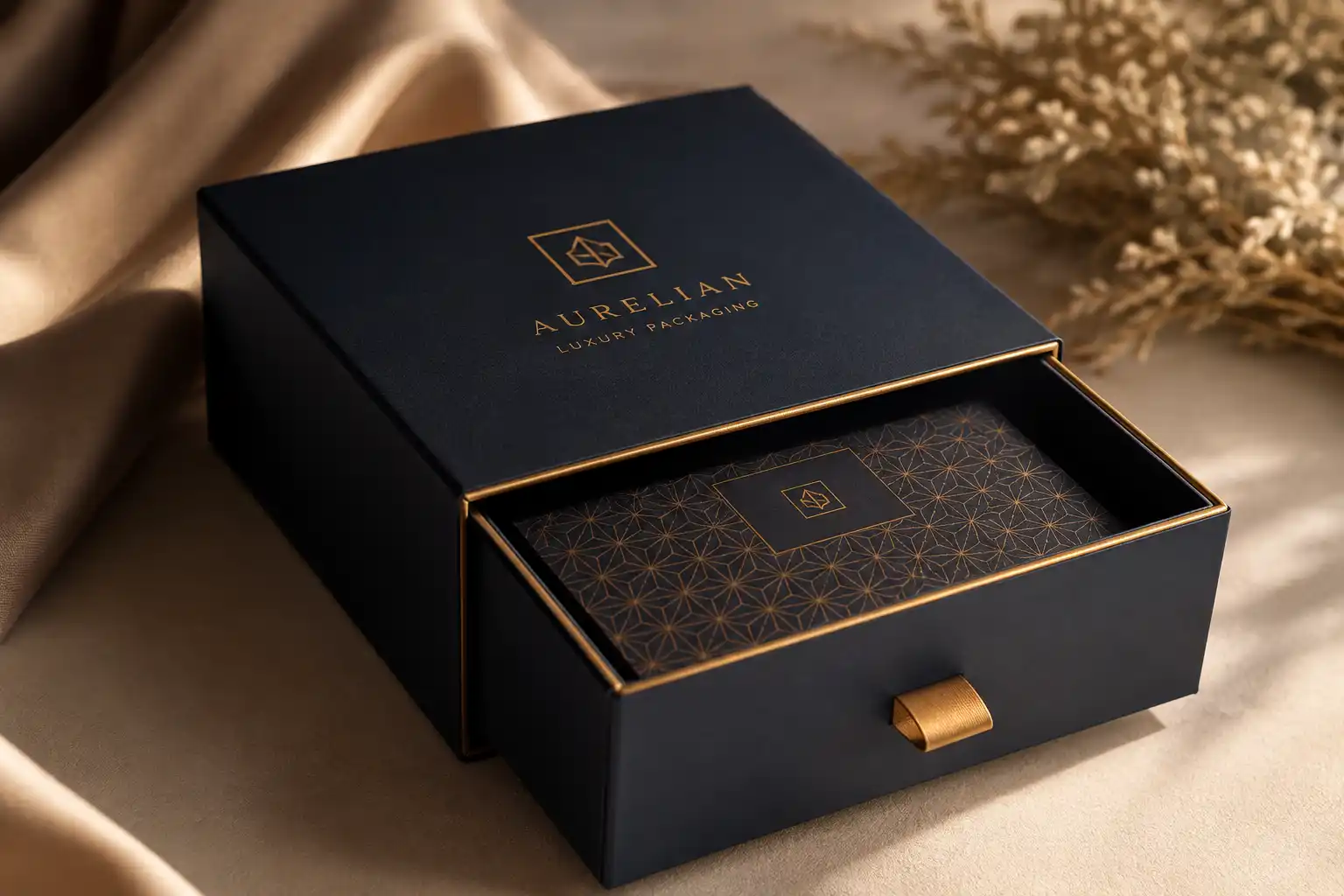
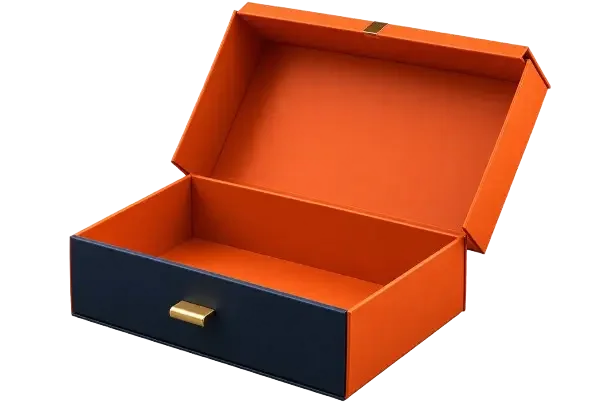
Rigid gift boxes, magnetic closure boxes, drawer boxes, and decorative storage packaging can often be reused by customers after the original product has been removed. This extends the useful life of the packaging and can keep the brand visible for much longer.
When customers choose to keep a box because it is attractive and useful, the packaging becomes part of the brand experience rather than simply a shipping material.
Create a Consistent Sustainable Identity
Sustainability is most effective when it feels like part of the overall brand identity.
Natural colors, minimal layouts, botanical illustrations, subtle embossing, recycled textures, simple typography, and carefully considered printing can all work together to communicate the same message.
The packaging should still feel recognisable as your brand. Sustainable design does not mean removing personality. It means using design more intentionally.
Final Thoughts
Eco-friendly packaging allows businesses to combine responsible material choices with strong branding and premium presentation. The best sustainable packaging protects the product, minimizes unnecessary material, communicates the personality of the brand, and creates an enjoyable unboxing experience.
For modern businesses, packaging is no longer only about containing a product. It is an opportunity to demonstrate quality, creativity, and responsibility from the very first interaction.